
March Birthstone, Aquamarine and Bloodstone in Their Honest Tradition
The March birthstone is two stones, not one. Aquamarine for the modern calendar, bloodstone for the older one, and good reasons to know both.

Quick facts3ShowHide
- ElementWater, Earth
- ZodiacPisces, Aries
- Sits well withCalm passage, steady courage, honest speech
The March birthstone is two stones, not one. Aquamarine is the pale blue beryl that shows up in most modern jewellery calendars. Bloodstone is the older traditional stone, a deep green chalcedony scattered with red flecks. Both belong to March, and the reason the month carries two is older and more interesting than the marketing copy usually allows.
What is the March birthstone?
The March birthstone is aquamarine in the modern calendar and bloodstone in the older traditional one. Both are recognised. Most contemporary jewellers default to aquamarine because the colour photographs well and the stone takes a clean cut, but bloodstone has not been dropped from the tradition. It sits alongside aquamarine on most serious birthstone lists, and for some people it is the better fit.
If you came here looking for a single tidy answer, the honest one is that March is a two-stone month and has been for a long time. Knowing both lets you choose the stone that actually suits the person born in March, rather than the one a chain store keeps in the case.
Aquamarine, the modern March birthstone
Aquamarine is a pale blue to blue-green variety of beryl, the same mineral family as emerald and morganite. The colour comes from trace iron held inside the beryl lattice. One iron state produces the sky-blue most people picture when they hear the name, another produces a muddier green that heat treatment removes. Hardness sits at 7.5 to 8 on the Mohs scale, well within the range for daily wear in rings, pendants, and earrings.
The Latin aqua marina means sea water, and the name has stuck for nearly two thousand years because it describes the stone exactly. A polished aquamarine held to morning light shows the specific pale blue of a calm shallow coast at midday. Pliny the Elder catalogued it in his Natural History in the first century, and the description has barely needed updating since.
The most prized natural deep-blue aquamarine comes from the Santa Maria de Itabira deposit in Brazil. Santa Maria stones are collectible and command premium prices. Madagascar, Pakistan, and Mozambique also produce significant material, much of it lighter in tone but perfectly lovely in everyday pieces. Most commercial aquamarine on the open market is heat-treated to remove a yellow undertone and deepen the blue. The treatment is stable, standard in the trade, and does not need to be disclosed at entry price points.
For a fuller treatment of the mineralogy, the maritime tradition, and how to read a quality piece, the dedicated aquamarine complete guide covers it in detail. The short version: aquamarine is the calmest pale-blue beryl in daily wear, historically tied to safe sea passage, and one of the gentlest stones associated with the throat chakra in modern crystal practice.
Bloodstone, the older March birthstone
Bloodstone is dark green chalcedony with scattered red flecks of hematite. Chemically it is silicon dioxide (the same family as quartz) with iron oxide inclusions producing the red. The older mineralogical name is heliotrope, from the Greek helios tropos, meaning sun-turner, because early observers noticed that submerging the stone in water and angling it toward the sun produced a red tint in the reflected light.
Hardness sits at 7 on the Mohs scale, durable enough for rings if the setting protects the stone from knocks. Quality is judged by how evenly the red flecks are distributed across the green matrix. A piece with balanced distribution is prized. One dominated by large red patches reads muddy. One without visible flecks is just green chalcedony, not bloodstone.
The tradition runs deep. Roman soldiers carried bloodstone amulets into battle, associating the red flecks with staunched wounds. The stone was believed to slow bleeding. It did not, but it did provide a ritual focus for people who needed something solid to hold before something terrifying. The pattern is the same one that produced battle amulets in dozens of unrelated cultures.
By the 1200s, medieval Christian writers had connected the red spots to drops of blood at the foot of the Cross. Bloodstone became a reliquary material, often carved into scenes from the Passion. Many museum collections still hold these carvings. Older Greek and Egyptian practice used the stone for amulets associated with longevity and endurance, well before the Christian reading layered onto it.
The full history sits in the bloodstone complete guide, including the modern use cases for people going through long, slow, hard seasons.
Why March has two birthstones
The simple answer: birthstone lists are not a single ancient tradition. They are several traditions stacked on top of each other.
The traditional list that includes bloodstone for March goes back centuries in European practice and connects loosely to medieval lapidary writing and the twelve stones of the High Priest's breastplate in Exodus. Bloodstone is the older traditional March stone in this lineage.
The modern list that includes aquamarine was standardised in 1912 by the American National Association of Jewelers (now Jewelers of America). The body wanted a tidy commercial calendar with one stone per month and tones that displayed well in retail cases. Aquamarine fit. Pale blue photographed cleanly, the supply was reliable, and the maritime calm tradition gave jewellers a story to print on the gift card.
Bloodstone was not dropped, exactly. Most reputable lists still mention both. But the modern retail default is aquamarine, which is why most people raised on glossy birthstone charts have only ever heard of one March stone.
For people born in early March, the older bloodstone tradition often feels closer to right. For those born late in the month, when winter is genuinely thinning, aquamarine often does. Neither is wrong. The month has room for both.
March birthstone meaning and tradition
March in the northern hemisphere is the transition month, the turn from winter into spring. In the southern hemisphere it is the turn from summer into autumn. Either direction, March is a passage. The two birthstones map onto that passage from different angles.
Aquamarine carries the calm-passage thread. Sailors carried it for safe sea travel. Speakers carried it for clear voice. Modern practice keeps the same shape. People in transitional periods, new jobs, relocations, the slow end of a relationship, often reach for aquamarine for the same reason ancient Mediterranean traders gifted rings to crew before long passages. The stone reads as a held breath before stepping forward.
Bloodstone carries the courage thread. Where aquamarine smooths the passage, bloodstone steadies the person making it. The traditional pairing is not contradictory. Calm and courage sit alongside each other in any honest move through a hard season. A person born in March is, by tradition, given both: the cool stone for the speaking, the warm-grounded stone for the standing.
Modern crystal practice associates aquamarine with the throat chakra and honest speech. Bloodstone associates with the root chakra and grounded endurance. Wearing both, or alternating, fits the older logic of the month.
How to choose a March birthstone piece
A few honest notes for buyers.
For aquamarine. Look at the stone in daylight, not under jewellery-case spots. Pale blue should read clean and slightly cool. Tones that read greyish or greenish in daylight are usually under-treated or untreated stones with an iron undertone. Both can be fine, but the price should reflect the cut rather than the colour. Visible inclusions are common in larger pieces. They are not a fault unless the cut emphasises them. Avoid pieces sold as untreated Santa Maria material at unrealistic prices, since most genuine Santa Maria aquamarine is held by collectors and serious dealers, not high street chains.
For bloodstone. Look for an even scatter of red flecks across a deep, slightly translucent green. Pieces that are nearly black with red specks are still bloodstone but read heavier. Pieces dominated by red patches are sometimes sold as bloodstone but are closer to a chalcedony with iron staining. Cabochons and tumbled stones are the traditional cuts. Bloodstone faceted into a brilliant cut almost never works visually.
Treatments to know about. Aquamarine is routinely heat-treated. The treatment is stable and accepted. Bloodstone is rarely treated. Dyed green chalcedony sold as bloodstone exists at the cheap end of the market, recognisable by the unnatural saturation of the green and the absence of true hematite specks.
Care. Both stones handle water well. Both are sun-stable for everyday exposure. Avoid ultrasonic cleaning on either, particularly bloodstone with looser hematite inclusions. Mild soap and warm water is enough.
March birthstone gift ideas
A short guide by intention rather than budget alone.
For someone calm and quiet by nature. Aquamarine stud earrings or a small pendant. The stone reads soft on most skin tones and does not demand attention. A pale piece in a simple silver setting wears for decades.
For someone going through a long hard season. A bloodstone pocket piece or a cabochon set into a ring. The tradition is older than any modern crystal practice, and the stone is meant to be carried rather than displayed.
For someone born in March who already has aquamarine. Bloodstone, deliberately. Most people raised on the modern birthstone chart have never been offered the second stone. A well-cut bloodstone cabochon, given with a sentence about the older tradition, lands well.
For a child born in March. Aquamarine, almost always. Pale, gentle, and visually clear in a way bloodstone rarely is. Bloodstone is a stone for adults who have been through something. Aquamarine fits a fresh life.
For people drawn to the broader ritual context, the March birthstone page collects the stones, dates, and traditions in one place, and the aquamarine crystal page covers the mineral profile in technical detail.
March birthstone and zodiac
March straddles two zodiac signs, and both pair sensibly with the two birthstones.
Pisces (February 19 to March 20). Water sign, ruled by Neptune, traditionally associated with intuition and emotional fluency. Aquamarine pairs naturally. The throat-chakra calm fits the Piscean tendency to feel deeply but speak less easily. Bloodstone is the secondary pairing, a grounding counterweight to the watery dispersion.
Aries (March 21 to April 19). Fire sign, ruled by Mars, traditionally associated with courage and the start of things. Bloodstone is the primary pairing here, which fits its older Roman military tradition and Mars association. Aquamarine sits as the calming counterweight, useful for the Aries impulse to push forward without pausing for the conversation that should come first.
For people born in the Pisces-Aries cusp, the last days of March and first of April, the two-stone tradition is unusually appropriate. The month was always meant to carry both the calm stone and the courage stone. The cusp simply makes the doubling explicit.
The right March birthstone is the one that fits the person, not the one a retail chart picked in 1912. Knowing both, and what each carries, is most of the work.
Want a piece from this guide?
Until our shop is live, we hand-arrange orders through Instagram. Tap to ask what is currently available.
Preview the message
Hi AU Crystals,

I was reading your March Birthstone, Aquamarine and Bloodstone in Their Honest Tradition page (aucrystals.com/blog/march-birthstone-guide).

I wanted to ask about the stones in this guide.
A starter message gets copied to your clipboard. Paste it into the DM on Instagram.
A few honest questions.
What is the March birthstone?
March has two birthstones. Aquamarine is the modern stone listed in most jewellery calendars, a pale blue beryl associated with calm and honest speech. Bloodstone is the older traditional March stone, a green chalcedony flecked with red, associated with courage and endurance.
Why is aquamarine the March birthstone?
Aquamarine was added to the modern birthstone list in 1912 by the American National Association of Jewelers. The choice fit a long Mediterranean tradition of carrying aquamarine for safe sea passage and for the calm transition from winter into spring that March represents.
Is bloodstone really a March birthstone?
Yes. Bloodstone is the older of the two March stones and still appears on traditional birthstone lists. It predates the 1912 modern list by centuries and remains the right answer for anyone drawn to a grounded, courage-leaning piece rather than a pale blue one.
What is a good March birthstone gift?
For most people, an aquamarine pendant or stud earrings sit well in daily wear. For someone going through a long hard season, a bloodstone pocket piece or carved cabochon fits the tradition better. Both are durable enough to wear without anxiety.
Keep reading.
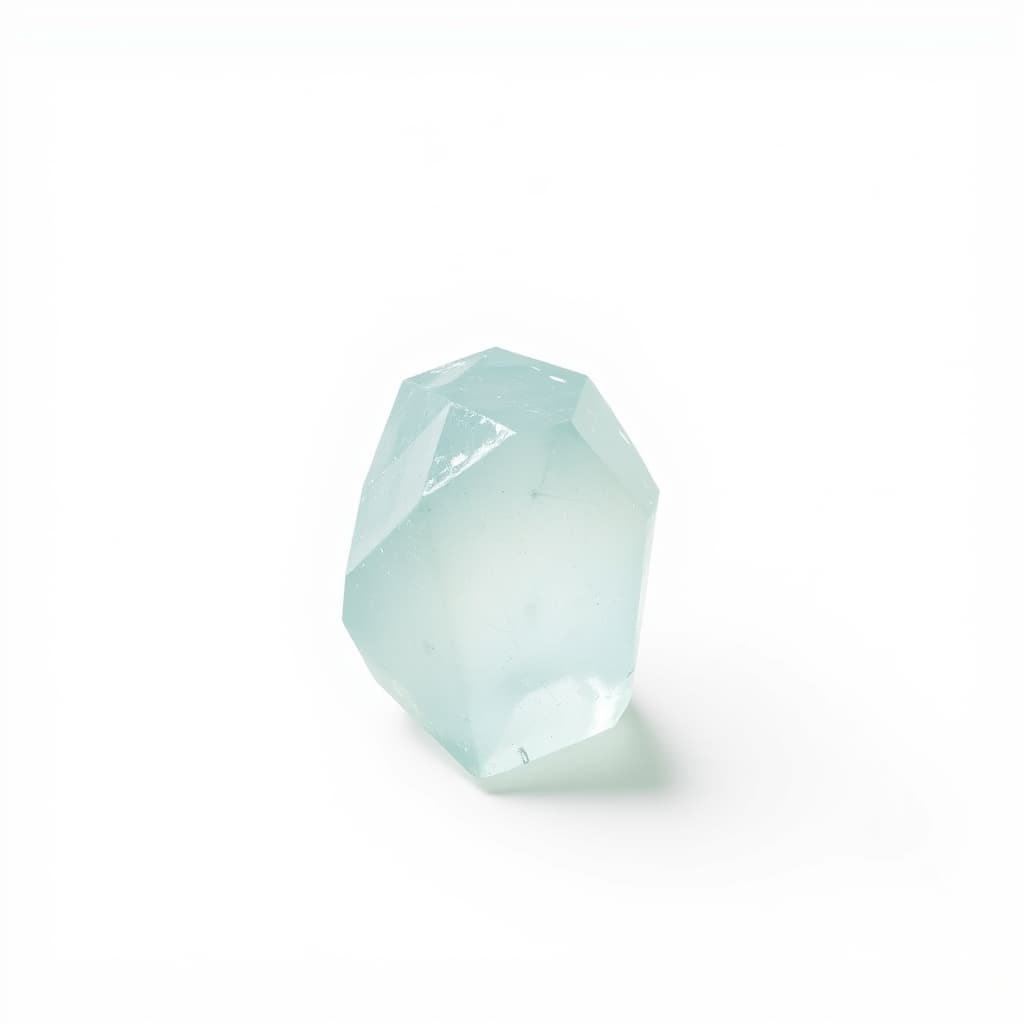
Aquamarine, the Stone Sailors Carried
Pale blue beryl, the same mineral family as emerald, carved into amulets by sailors who needed the sea to stay gentle. The mineralogy, the long maritime tradition, and why it reads as one of the calmest stones in daily wear.
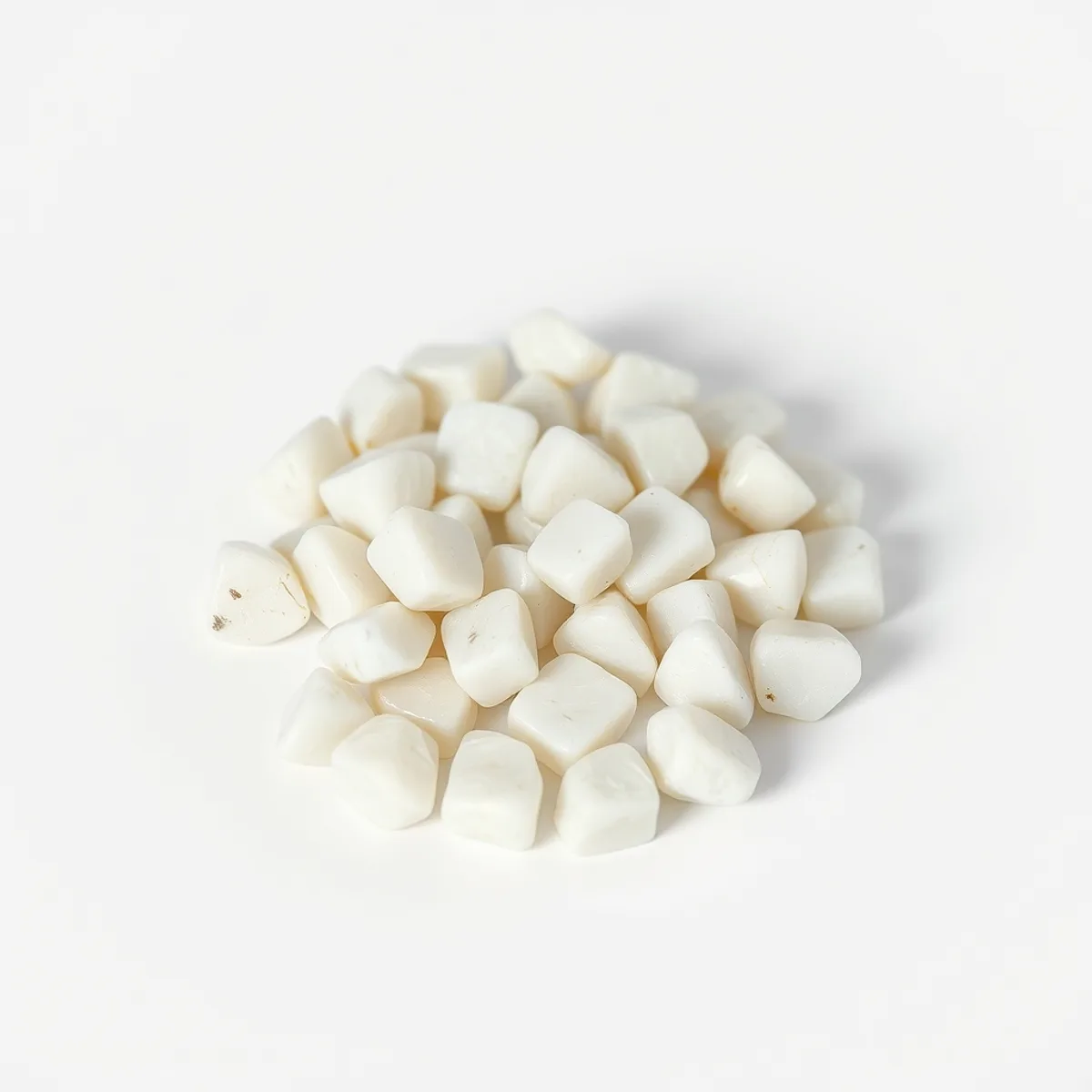
Moonstone, and the Soft Kind of Strength
A stone that glows from the inside in the right light. Where adularescence comes from, why rainbow and blue moonstone are different creatures, and the long tradition of carrying one during change.

December Birthstone, Turquoise Tanzanite and Blue Topaz in Cold Light
The December birthstone is not one stone but a small family. Turquoise carries the oldest tradition, tanzanite the newest, with blue topaz and zircon between them.
Mentioned in
Sit with us on Sundays.
One quiet letter every week. New writing, a crystal to consider, and whatever we have been thinking about. No tracking pixels, no affiliate noise.
By subscribing you agree to receive weekly emails from AU Crystals. Unsubscribe anytime. See our privacy note.