
December Birthstone, Turquoise Tanzanite and Blue Topaz in Cold Light
The December birthstone is not one stone but a small family. Turquoise carries the oldest tradition, tanzanite the newest, with blue topaz and zircon between them.

Quick facts3ShowHide
- ElementAir, Earth
- ZodiacSagittarius, Capricorn
- Sits well withProtection, safe travel, honest speech, cold-light clarity
The December birthstone is not one stone but a small winter family. Turquoise carries the oldest tradition, running back five thousand years through Egyptian, Persian, Tibetan and Native American practice. Tanzanite is the newest, a deep violet-blue zoisite found only in northern Tanzania since 1967. Blue topaz and zircon sit between them, both blue, both more affordable, both fully recognised.
What is the December birthstone?
The December birthstone is turquoise in the traditional calendar and tanzanite in the modern one, with blue topaz and blue zircon also recognised. All four are blue, all four winter-coded in tone. The month carries more stones than any other, and the reason is historical rather than commercial. Different traditions added different stones, and unlike most months, December never settled the argument by dropping any.
If you came here for a tidy answer: turquoise is the oldest, tanzanite the rarest, blue topaz the everyday choice, zircon the vintage one. Each suits a different sort of person.
Turquoise, the oldest December birthstone
Turquoise is a hydrated copper aluminium phosphate, opaque, with a colour that runs from sky-blue through robin's egg to a greener teal. The blue comes from copper. The greener tones come from iron substituting for the aluminium in the lattice. Hardness sits at 5 to 6 on the Mohs scale, soft enough that the stone needs care, hard enough for centuries of recorded use in cabochons, beads, and inlay work.
The oldest known turquoise jewellery comes from the Sinai Peninsula, mined by Egyptian expeditions from at least 3000 BCE. The stone appears in the burial bracelets of Queen Zer of the First Dynasty and in the funerary mask of Tutankhamun.
Persian turquoise, mined for over two thousand years from deposits near Neyshabur in north-eastern Iran, became the colour reference for the entire trade. The clean, even sky-blue called Persian blue is still the benchmark. Persian tradition associated turquoise with protection, particularly against falls from horses and accidents on the road. Travellers wore it. The custom carried into the Ottoman world and from there into European jewellery, which is where the French name pierre turquoise, Turkish stone, comes from.
Tibetan practice has worn turquoise continuously for over a thousand years, often paired with coral in protective amulets. Native American use, particularly Pueblo, Navajo and Zuni work in the American Southwest, runs back at least two thousand years. The Cerrillos mines in New Mexico were worked long before European contact.
The turquoise crystal page covers the mineral profile and regional sources in detail.
Tanzanite, the modern December birthstone
Tanzanite is the trade name for gem-quality blue zoisite, a calcium aluminium silicate. The stone is famous for one fact: it has only ever been found in a single small area, the Merelani Hills at the foot of Mount Kilimanjaro in northern Tanzania. Nothing comparable has been found anywhere else despite sixty years of looking. The deposit is finite and shrinking.
The discovery happened in 1967, when Maasai herders noticed bright blue stones on the surface after a brush fire had heated the ground. Most rough zoisite from Merelani is brownish, and only heat treatment brings out the deep violet-blue the stone is sold for. The treatment is universal and accepted.
Tiffany & Co. named the stone in 1968 after the country it came from, calculating that blue zoisite sounded too close to suicide for retail copy.
Tanzanite is trichroic, meaning a single crystal shows three colours along three optical axes. Cutters orient the stone to favour blue and violet over the third, which reads brownish-yellow. A well-cut tanzanite shifts noticeably between blue and violet as you tilt it.
Hardness sits at 6 to 7 on the Mohs scale. Tanzanite suits pendants and earrings, should be set carefully in rings, and does not tolerate ultrasonic cleaning or sharp temperature changes. The tanzanite crystal page collects the optical properties and provenance notes in one place.
Blue topaz and zircon
The other two December stones often get treated as filler. They are not. They are the affordable everyday options, and they have their own histories.
Blue topaz is mostly a treated stone in modern commerce. Natural blue topaz is rare and pale. The bright Swiss blue and London blue topaz that dominates the market is irradiated colourless topaz, with the colour stabilised by gentle heating. The treatment is permanent and accepted across the trade. Hardness sits at 8 on the Mohs scale, harder than tanzanite or turquoise, and the stone takes a brilliant cut beautifully. For an everyday December birthstone ring, blue topaz is often the right answer.
Blue zircon is the genuinely old one. Zircon is a zirconium silicate, not the synthetic cubic zirconia often confused with it. The blue is produced by heat treatment of brownish rough from Cambodia and Burma. Zircon was the favoured December stone in Edwardian and Art Deco jewellery, prized for a fire and brilliance that rivals diamond. Hardness is 6 to 7.5, and the stone is brittle, so it suits earrings and pendants better than rings worn daily.
December birthstone history
December birthstone lists collected rather than chose. Medieval European calendars settled on turquoise early, partly through the Persian trade and partly through the breastplate-of-Aaron lineage that shaped most Western birthstone tradition. Turquoise stayed on the list more or less unchanged for several centuries.
The modern American list standardised in 1912 by the National Association of Jewelers kept turquoise and added blue zircon, popular in the period. Lapis lazuli appeared on some lists into the early twentieth century but was folded out, though it survives as an unofficial December stone.
Tanzanite was added in 2002 by the American Gem Trade Association, the first new birthstone in nearly a century. Most additions replace harder-to-source stones with more available ones. Tanzanite went the other way, adding a stone with a known finite supply. Tanzanite has never been found anywhere outside a few square kilometres in northern Tanzania, and the stone's value reflects that rarity rather than fashion.
December birthstone meaning and tradition
December in the northern hemisphere is the deep-winter month, the shortest days, the cold light. In the southern hemisphere it is high summer, but the symbolic weight of the month in Western tradition follows the northern calendar, which is where the birthstones were chosen.
Turquoise carries the protection thread, particularly for travel. The Persian custom of wearing turquoise on horseback, the Tibetan use in protective amulets, and the Native American association with sky and breath all converge on the same idea: a stone for safe passage through uncertain ground. December is, in its own way, an uncertain-ground month. People travel. Weather turns. The protection symbolism fits.
Tanzanite carries a quieter thread. The deep violet-blue reads like the sky after sunset on a clear winter evening, the moment before the stars come out. Modern crystal practice associates it with calm and honest speech, both throat-chakra qualities. The colour itself does much of the work. People who choose tanzanite often describe being drawn to the stone before they know anything about it.
Blue topaz carries the cold-light clarity thread. The pale Swiss blue is the colour of a winter morning sky. Blue zircon carries the older sparkle, the cold flash of a clear December night.
All four sit on the throat chakra in modern crystal practice, associated with truth, honest speech, and clear expression. The pairing fits the month. Winter is a month for saying what needs saying, slowly and once.
The December birthstone page collects the four stones in one place. The March birthstone guide covers a similar two-stone month for readers comparing traditions.
How to choose a turquoise or tanzanite
A few honest notes for buyers.
For turquoise. The key question is whether the stone is natural, stabilised, or reconstituted. Most turquoise on the market today is stabilised, meaning natural rough infused with a clear resin to harden it and prevent colour change over time. Stabilisation is accepted in the trade but should be disclosed and priced accordingly. Reconstituted turquoise (sometimes sold as block) is powdered turquoise bonded with resin into a uniform material. Avoid dyed howlite or magnesite sold as turquoise, common in cheap markets.
The Sleeping Beauty mine in Arizona, source of the clean sky-blue without matrix that dominated the high-end American market for decades, was effectively mined out by 2012. Existing stock circulates at premium prices, but new material is essentially gone. The Kingman, Royston, and Number Eight mines still produce, and Persian and Hubei Chinese turquoise remain available.
For tanzanite. Look for a deep blue with a clear violet flash on tilt. The trichroism should be visible. A stone that looks the same colour from every angle is either poorly cut or not tanzanite. Pale stones are common and reasonably priced. The deepest saturation commands a premium. Almost all tanzanite is heat-treated, so untreated stones are scarce and expensive.
Care for both. Turquoise dislikes chemicals, perfume, and prolonged sunlight, which can fade the colour over years. Tanzanite dislikes ultrasonic cleaning, sharp knocks, and rapid temperature change. Mild soap and warm water for both. Store separately from harder stones to prevent scratches.
December birthstone gift ideas
A short guide by intention rather than budget alone.
For someone who travels often. Turquoise, deliberately. The stone is the oldest travel charm in the human record, and a small piece given with that history attached lands well.
For someone with collector taste. Tanzanite. The single-mine origin and the trichroism make a well-cut piece something to look at for years. A small AA-grade stone in a simple setting beats a large pale one.
For an everyday gift at a reasonable price. Blue topaz. The Swiss blue saturation is clean, the hardness handles daily wear, and a pair of stud earrings in silver suits most people.
For someone drawn to vintage style. Blue zircon. The fire of well-cut zircon was why Edwardian and Art Deco jewellers loved it, and the stone carries a quietly older feel than tanzanite.
For someone drawn to deep blue beyond the standard list. Lapis lazuli, the unofficial December stone on older calendars. The deep ultramarine with pyrite flecks reads as winter sky at night, and it sits comfortably alongside the four official stones.
December birthstone and zodiac
December straddles two zodiac signs, and the December birthstones map onto both.
Sagittarius (November 22 to December 21). Fire sign, ruled by Jupiter, traditionally associated with travel and far horizons. Turquoise is the natural pairing. The travel-protection symbolism fits the sign's restlessness, and the colour reads as open sky. Tanzanite is the secondary pairing, useful for the moments when a Sagittarius needs to slow down and say something honest.
Capricorn (December 22 to January 19). Earth sign, ruled by Saturn, traditionally associated with patience and slow steady building. Tanzanite suits Capricorn well. The depth of colour and the held quality of the stone fit the sign's preference for substance over flash. Turquoise sits alongside as the older protection stone for the long climbs Capricorn tends to choose.
For people born on the Sagittarius-Capricorn cusp, the four-stone tradition is unusually appropriate. December was always meant to carry several stones: the protection stone, the depth stone, the everyday stone, and the vintage sparkle stone. The cusp makes the abundance explicit.
The right December birthstone is the one that fits the person, not the one a jeweller happens to have in the case. Knowing the four, and what each carries, is most of the work.
Want a piece from this guide?
Until our shop is live, we hand-arrange orders through Instagram. Tap to ask what is currently available.
Preview the message
Hi AU Crystals,

I was reading your December Birthstone, Turquoise Tanzanite and Blue Topaz in Cold Light page (aucrystals.com/blog/december-birthstone-guide).

I wanted to ask about the stones in this guide.
A starter message gets copied to your clipboard. Paste it into the DM on Instagram.
A few honest questions.
What is the December birthstone?
December has more birthstones than any other month. Turquoise is the oldest, carried for protection across at least five thousand years of recorded use. Tanzanite is the modern addition, a deep violet-blue zoisite from a single deposit in Tanzania. Blue topaz and zircon round out the modern list, both pale to vivid blue, both budget-friendly compared with tanzanite.
Why does December have so many birthstones?
December birthstone lists collected stones rather than narrowing them. Turquoise sat in the European tradition for centuries. Blue zircon was added in the early modern lists for its sparkle. Tanzanite was added in 2002 by the American Gem Trade Association after the Tanzanian discovery in 1967, and blue topaz held its place as an affordable everyday stone. The result is a four-stone month, all blue, all winter-coded.
Is turquoise or tanzanite the real December birthstone?
Both are real. Turquoise is the older traditional stone with deeper cultural roots across Persian, Tibetan, Egyptian and Native American practice. Tanzanite is the modern listing favoured by jewellers because of its colour saturation. For someone drawn to history and protection symbolism, turquoise. For someone drawn to a deep evening-sky stone with collector value, tanzanite.
What is a good December birthstone gift?
For everyday wear, blue topaz earrings or a small tanzanite pendant suit most people. For someone who travels, a turquoise piece sits inside the oldest birthstone tradition there is, the Persian charm against falls and accidents on the road. For a vintage feel, blue zircon, which was the favoured December stone in Edwardian and Art Deco jewellery before tanzanite existed.
Keep reading.

March Birthstone, Aquamarine and Bloodstone in Their Honest Tradition
The March birthstone is two stones, not one. Aquamarine for the modern calendar, bloodstone for the older one, and good reasons to know both.
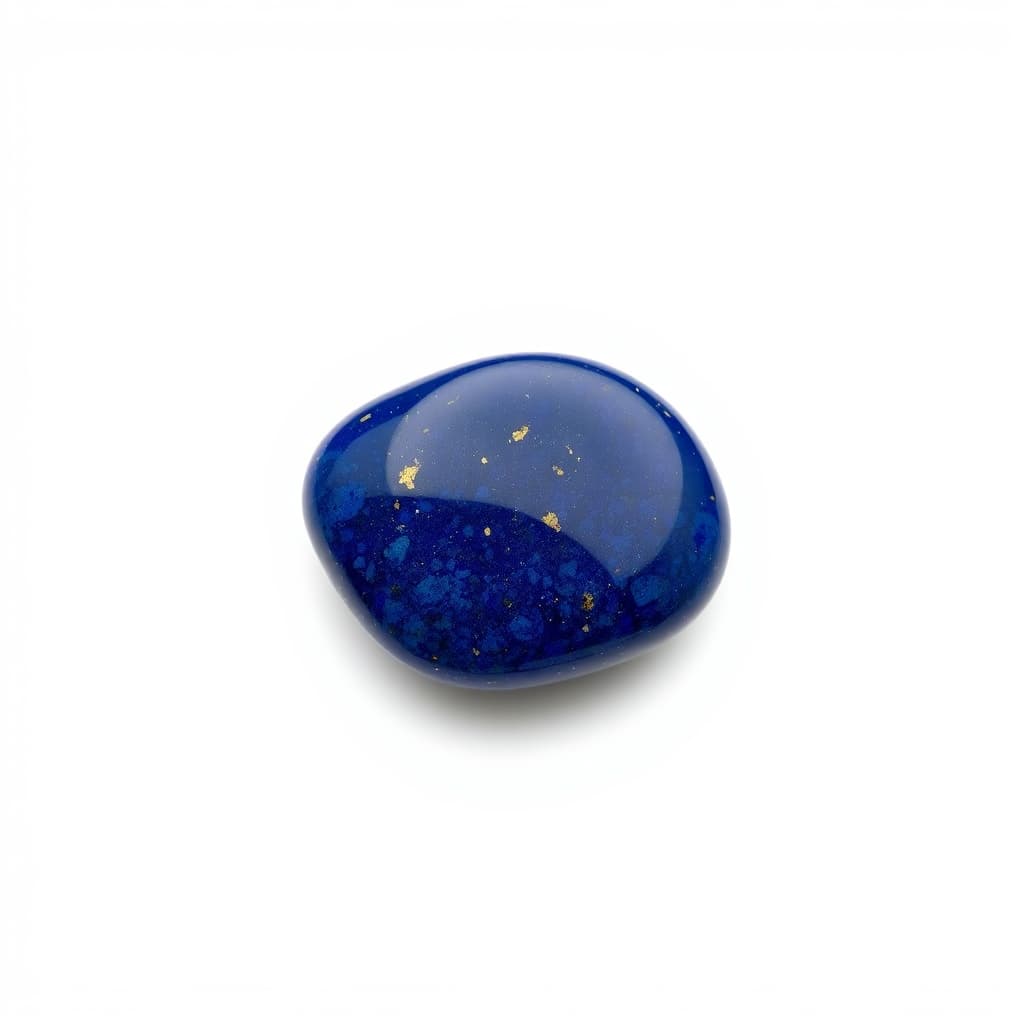
Lapis Lazuli, the Colour That Was Once Worth More Than Gold
Crushed, it was ultramarine, the most expensive pigment in the Renaissance. Worn, it was the stone of royalty across three thousand years. A careful look at what lapis actually is, where the real pieces come from, and how to read the pyrite.
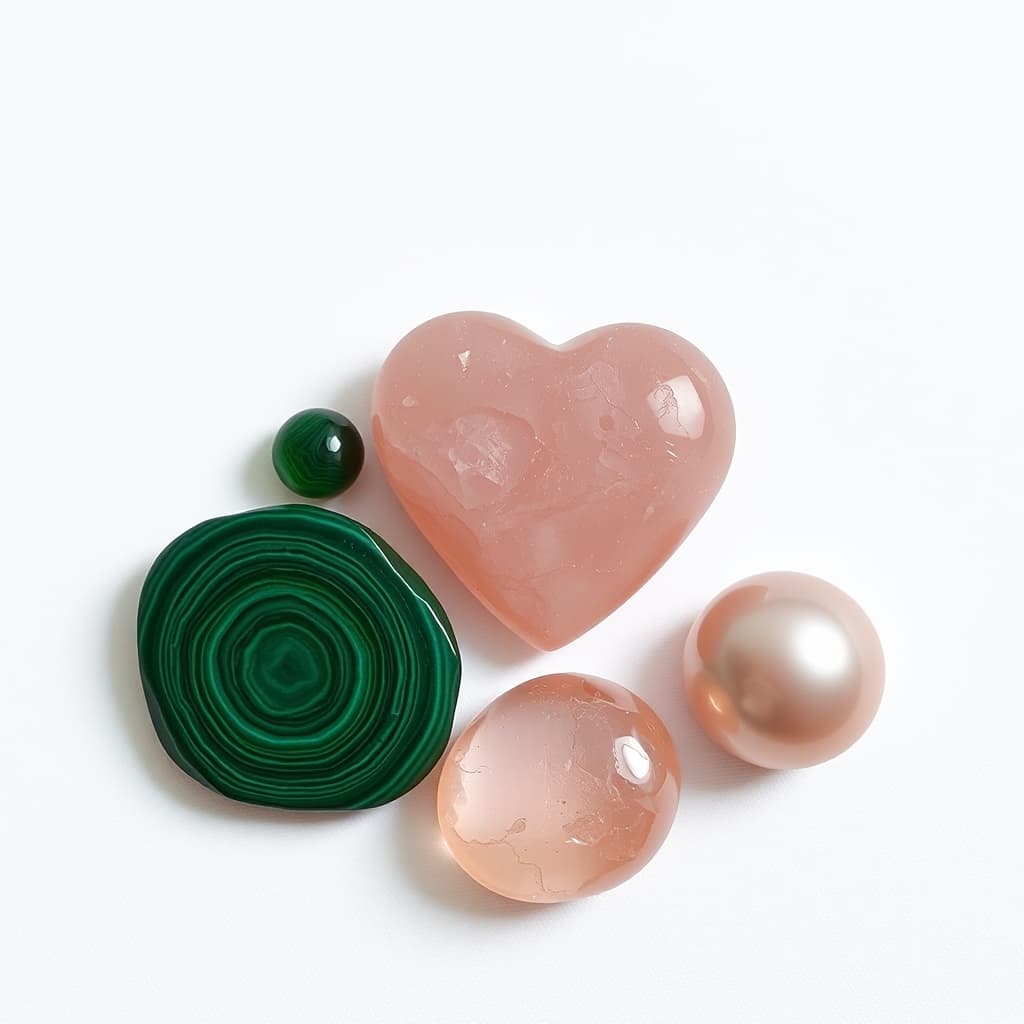
Crystals for Love and Relationships, Traditional Companions
The stones paired with love across Hellenistic, Vedic, and European folk sources, and what each one actually supports. Written for self-compassion and relational work, not romantic manifestation.
Sit with us on Sundays.
One quiet letter every week. New writing, a crystal to consider, and whatever we have been thinking about. No tracking pixels, no affiliate noise.
By subscribing you agree to receive weekly emails from AU Crystals. Unsubscribe anytime. See our privacy note.