
October Birthstone, Opal and Tourmaline Across Their Wild Colour Range
October has two birthstones, opal and tourmaline. A careful look at the mineralogy, the colour ranges, sources, and how to choose a piece worth keeping.

Quick facts11ShowHide
- ChakraHeart, Root
- Mohs hardnessOpal 5.5 to 6.5, Tourmaline 7 to 7.5
- Mineral familyOpal (hydrated silica), Tourmaline (silicate group)
- OriginAustralia, Brazil, Pakistan, Africa
- ColourOpal play of colour, Tourmaline full spectrum
- ElementEarth, Fire
- ZodiacLibra, Scorpio
- Sits well withCreativity, grounding, transitions
- Water safeTourmaline yes, Opal no
- Sun safeTourmaline yes, Opal avoid prolonged heat
- RarityCommon to rare depending on variety
October is the month people end up with the prettiest birthstone choice in the calendar. Two stones, both with wide colour ranges, both with serious histories, and almost nothing else in common. Opal is soft and full of internal light. Tourmaline is hard and comes in nearly every colour a gemstone can take. If you were born in October, or you are buying for someone who was, the decision is less about which is the real October birthstone and more about which one suits the piece and the person.
What is the October birthstone?
The October birthstone is opal and tourmaline. Both. Opal is the older traditional choice, named in classical Roman and Greek sources and listed in nearly every birthstone tradition for centuries. Tourmaline was added to the modern jewellery calendar in the twentieth century, partly because opal is genuinely fragile and the trade wanted a harder daily-wear option. Today, both stones are recognised, sold side by side, and chosen on aesthetic and practical grounds rather than tradition alone.
If you have been searching for what is the October birthstone or the birthstone for October, the short version is: opal first, tourmaline second, both legitimate.
Opal, the iridescent October birthstone
Opal is unlike any other gemstone in the way it handles light. Where a sapphire or emerald shows colour through chemistry alone, opal shows colour through structure. The stone is made of microscopic spheres of hydrated silica packed together in a regular grid. When light enters the stone, it diffracts off those spheres and breaks into spectral flashes. The phenomenon is called play of colour, and at its best it looks like the inside of a soap bubble caught and held.
There are several broad varieties worth knowing.
White opal has a pale, milky body tone with flashes of colour floating through it. It is the most common type, the friendliest in price, and the one most people picture when they hear the word opal.
Black opal has a dark grey to black body tone, which makes the play of colour read with much more drama. The flashes seem to glow from inside the stone. Lightning Ridge in New South Wales is the most famous source. Top-grade black opal is one of the more valuable gemstones in the world by carat.
Fire opal is a translucent orange to red opal, often without play of colour, valued instead for the deep glowing body tone. Mexican fire opal is the classic source.
Boulder opal is opal that has formed within ironstone, where the host rock is left attached as a backing. This produces dramatic, painterly stones with the dark ironstone framing the colour. Queensland is the principal source.
Australia produces the great majority of the world's precious opal. Lightning Ridge for black opal, Coober Pedy for white and crystal opal, Queensland for boulder opal. The Australian opal fields are part of the country's mineralogical signature, and the tradition of cutting and selling Australian stones is genuinely deep.
Opal is hydrated. It contains between three and ten percent water by weight, locked into the silica structure. That water content is the source of opal's beauty and its fragility. Mohs hardness sits between 5.5 and 6.5, softer than quartz, and the stone can crack if it dehydrates rapidly or takes a sharp impact. Treat opal as a delicate stone and it will last lifetimes.
Tourmaline, the rainbow October birthstone
Tourmaline is the opposite of opal in nearly every respect. Where opal is one mineral with one optical trick, tourmaline is a whole group of related silicates whose chemistry varies enough that the colours do too. Iron rich tourmaline is black, called schorl. Lithium rich tourmaline can be pink, green, blue, or any combination of those.
The named varieties go on for a while.
Rubellite is the deep pink to red lithium tourmaline, often mistaken at a glance for ruby in the right light.
Indicolite is the blue tourmaline, ranging from a dusty teal to a saturated cobalt.
Verdelite is the green variety, sometimes mistaken for emerald and often more affordable.
Watermelon tourmaline is a single crystal that grew with a pink centre and a green rim, sliced across the shaft to display both colours. It is a lovely stone and a popular statement piece.
Paraiba tourmaline is a copper-bearing tourmaline first found in the Paraiba region of Brazil, with an electric neon blue green that is unlike anything else in the gem world. It is one of the most expensive coloured stones on the market.
Schorl, the black iron-rich tourmaline, is by far the most common variety and the one covered in our black tourmaline complete guide. It carries strong protective associations across crystal practice.
Tourmaline sits at 7 to 7.5 on the Mohs scale, which makes it harder than most coloured stones in daily wear. It forms in granite pegmatites alongside quartz and mica, and the major commercial sources today are Brazil (especially Minas Gerais and Paraiba), Pakistan, Afghanistan, Mozambique, Nigeria, and Madagascar.
Why October has two birthstones
The classical birthstone list, the one that traces back to the breastplate of Aaron in Exodus and through medieval European traditions, was always a moving target. Different cultures matched stones to months differently, and lists varied by region and century.
The modern list most jewellers use was formalised by the American National Association of Jewelers in 1912, partly to standardise marketing across the trade. Opal was October's stone in that 1912 list, drawing on the older European tradition.
Tourmaline was added to October in 1952 by the Jewelry Industry Council, again with a commercial logic. Opal is soft, sometimes unstable, and not every customer wants a stone that needs careful handling. Tourmaline gave the trade a harder, more practical October option in a wide colour range, and the market liked it. Both stones now sit on every reputable modern birthstone chart, including ours at /birthstones/october.
October birthstone meaning and symbolism
Opal's symbolic associations centre on play, creativity, and the visible quality of the stone itself. Roman writers connected it with hope and the rainbow, since the play of colour seemed to contain every other gemstone in one. Medieval European tradition treated it as a stone of vision and inspiration, drawing on the way the colours seem to move when the stone is turned.
Tourmaline's symbolism varies sharply by colour. Black tourmaline is the protective grounding stone, recommended for overwhelm and threshold moments. Pink and rubellite carry heart-opening associations, often paired with rose quartz in modern practice. Green tourmaline is associated with growth and physical vitality. Watermelon tourmaline sits across both heart frequencies and is often given as a stone of emotional balance.
October itself is a transitional month in both hemispheres. In the southern hemisphere it is mid spring. In the northern hemisphere it is the deepest week of autumn turning, the moment leaves change and the year begins to close in. Both birthstones suit a transitional month. Opal for the play of light still in the air, tourmaline for the grounded weight underneath.
How to choose an October birthstone piece
For opal, three things matter most.
Body tone is the background colour of the stone, ranging from white through grey to black. Darker body tones make the play of colour read with more drama and are generally more valuable.
Brightness is how vivid the play of colour is when the stone catches light. A bright opal flashes from across a room. A dull opal needs the right angle to show its colour at all.
Pattern is the shape of the colour flashes. Pinfire (small dots), broad flash (large patches), and harlequin (regular blocks) are the named patterns, with harlequin being the rarest and most prized.
For tourmaline, look at colour saturation first and clarity second. Strong, clean colour is what you pay for. Most tourmaline on the market is untreated, though some pink and rubellite stones are heat-treated to deepen the colour. Heat treatment in tourmaline is stable and standard, and a reputable seller will disclose it.
October birthstone gift ideas
A few practical suggestions.
An opal pendant suits delicate everyday wear, where the stone sits against fabric and avoids the impacts a ring would take. A bezel setting protects the edges. Crystal opal or boulder opal pendants are the best entry into the material.
Black tourmaline jewellery or a tumbled pocket piece suits someone who wants the grounded, protective end of the spectrum. Daily wear safe, easy to live with, and with a long tradition behind it. Our black tourmaline page covers the variety in more depth.
Watermelon tourmaline is the statement piece option. A pendant or earring set with a clean watermelon slice is one of the prettier coloured-stone gifts in the trade.
A rubellite or indicolite ring gives you October colour in a stone tough enough for daily wear.
Caring for opal and tourmaline
Opal asks for some care. Avoid sudden temperature changes, extended dry heat, ultrasonic cleaners, and impacts on the edges. Do not store opal in a safe with silica gel sachets, which can pull water out of the stone. Wipe with a soft damp cloth and store with a tiny piece of damp cotton in the box if you live somewhere arid. Opal does not need to be coddled, just kept hydrated and away from sharp knocks.
Tourmaline is happy with daily wear. Water is fine. Sunlight is fine. Avoid sharp impacts on raw specimens, particularly along the striations, and avoid prolonged ultrasonic cleaning on stones with visible inclusions. A soft brush and warm soapy water is plenty. For more on tourmaline care across varieties, see the black tourmaline guide.
October birthstone and zodiac
October spans two zodiac signs.
Libra runs from September 23 to October 22. Libra is an air sign associated with balance, fairness, and the diplomacy of holding two views at once. Opal suits Libra well, both for the play between colours within a single stone and for the symbolic balance the stone has carried in classical tradition.
Scorpio runs from October 23 to November 21. Scorpio is a water sign associated with depth, transformation, and intensity. Black tourmaline and rubellite are the common Scorpio matches, the first for grounded protection during transformation, the second for the heart end of Scorpio's emotional range.
If you are buying for an October birthday and you do not know the recipient's preferences, opal in a pendant suits most Libras, tourmaline in any colour suits most Scorpios, and a watermelon tourmaline piece suits the cusp days when neither sign is fully settled. The two stones together also pair well, which is part of why October ended up with both. The soft and the hard, the iridescent and the saturated, the play of colour and the steady weight. Most months only get one stone. October got the pairing.
Want a piece from this guide?
Until our shop is live, we hand-arrange orders through Instagram. Tap to ask what is currently available.
Preview the message
Hi AU Crystals,

I was reading your October Birthstone, Opal and Tourmaline Across Their Wild Colour Range page (aucrystals.com/blog/october-birthstone-guide).

I wanted to ask about the stones in this guide.
A starter message gets copied to your clipboard. Paste it into the DM on Instagram.
A few honest questions.
What is the October birthstone?
October has two birthstones, opal and tourmaline. Opal is the older, traditional choice, named in classical sources. Tourmaline was added to the modern jewellery trade calendar in the twentieth century to give buyers a harder, more daily-wear option alongside the softer opal.
Why does October have two birthstones?
The modern birthstone list, formalised by jewellers in 1912 and updated since, added tourmaline to October so buyers had a durable alternative to opal. Opal is beautiful but soft and water-sensitive. Tourmaline sits at 7 to 7.5 on the Mohs scale and handles daily wear comfortably.
Is opal really unlucky?
No. The unlucky-opal idea traces almost entirely to a single nineteenth century novel, Walter Scott's Anne of Geierstein, published in 1829. The book features an opal that loses its fire when touched by holy water and a heroine who dies shortly after. Opal sales reportedly halved in the years following. Before that novel, opal was widely considered lucky. The reputation is a literary accident, not folklore.
Which October birthstone is more durable for daily wear?
Tourmaline. At Mohs 7 to 7.5 it handles rings, bracelets, and daily wear without much fuss. Opal sits at 5.5 to 6.5, can crack from impact, and dislikes dehydration. If you want a piece you never have to think about, choose tourmaline. If you want the play of colour that nothing else gives you, choose opal and treat it gently.
Keep reading.
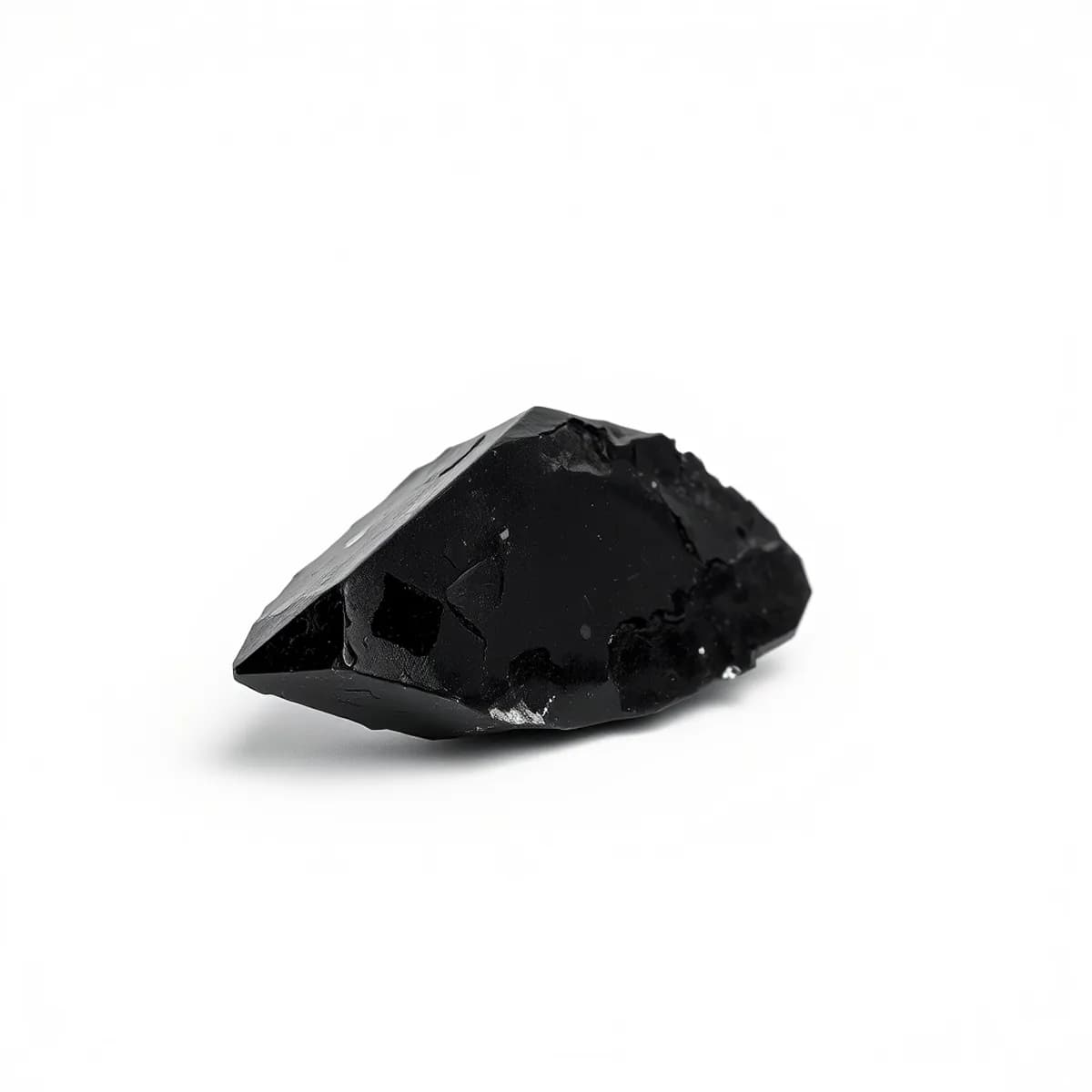
Black Tourmaline, the Stone People Ask For When Life Is Loud
The protective stone in almost every tradition that touches black stones. A look at what tourmaline actually is, why practitioners recommend it for overwhelm, and how to tell polished tourmaline from dyed obsidian.
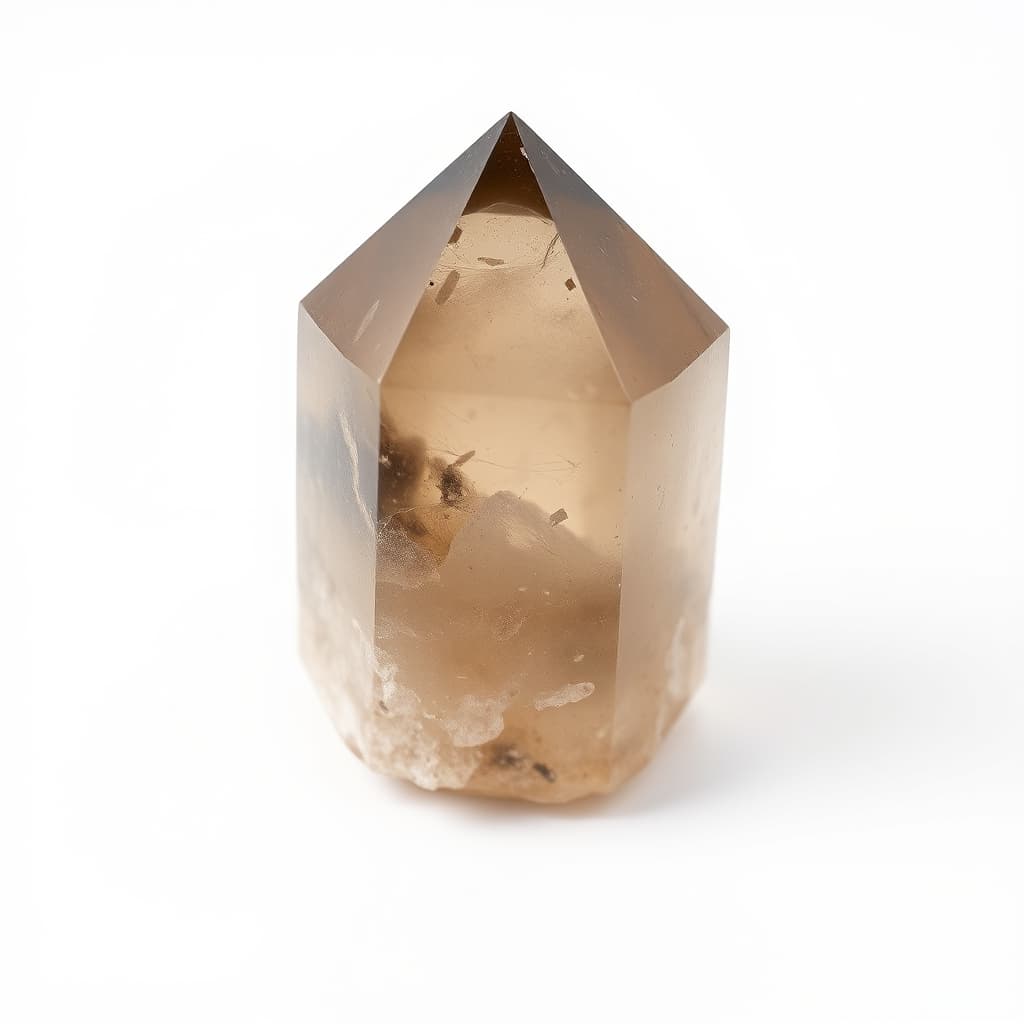
Smoky Quartz, the Quiet One
A brown grey quartz formed by natural radiation over geological time. A careful look at its real origin, why Scotland adopted it as a national stone, and the distinction between natural smoky quartz and the irradiated material that dominates the cheap end of the market.
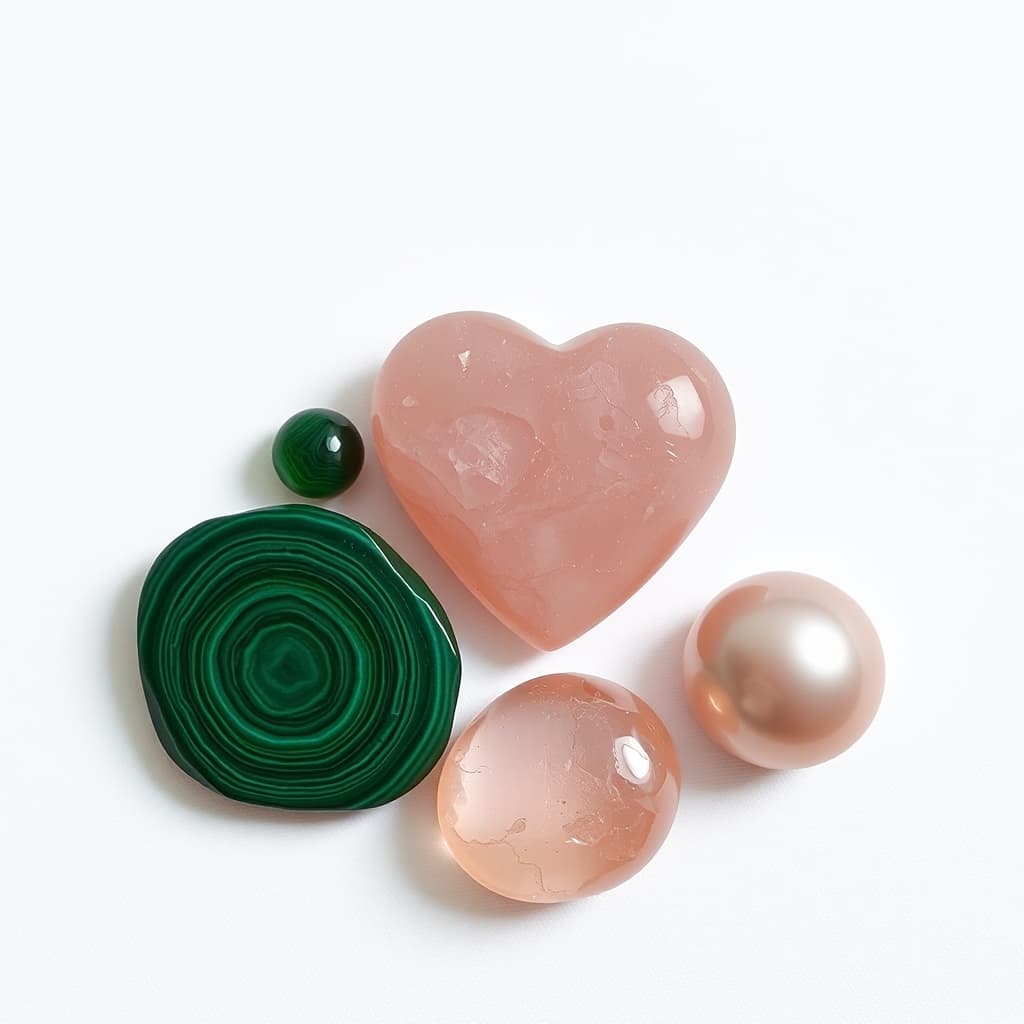
Crystals for Love and Relationships, Traditional Companions
The stones paired with love across Hellenistic, Vedic, and European folk sources, and what each one actually supports. Written for self-compassion and relational work, not romantic manifestation.
Sit with us on Sundays.
One quiet letter every week. New writing, a crystal to consider, and whatever we have been thinking about. No tracking pixels, no affiliate noise.
By subscribing you agree to receive weekly emails from AU Crystals. Unsubscribe anytime. See our privacy note.