
Crystal Pairings That Actually Work, a Traditional Field Guide
The combinations that show up across centuries of crystal practice and why they work together. Twelve pairings explained honestly, without the forced symbolism that makes most pairing guides feel invented.
Quick facts11ShowHide
- ChakraAll chakras
- Mohs hardnessn/a
- Mineral familyCombinatorial practice
- OriginHellenistic, Vedic, folk
- ColourVaried
- ElementAll four
- ZodiacUniversal
- Sits well withFocused intention, layered ritual
- Water safen/a
- Sun safen/a
- RarityPractice
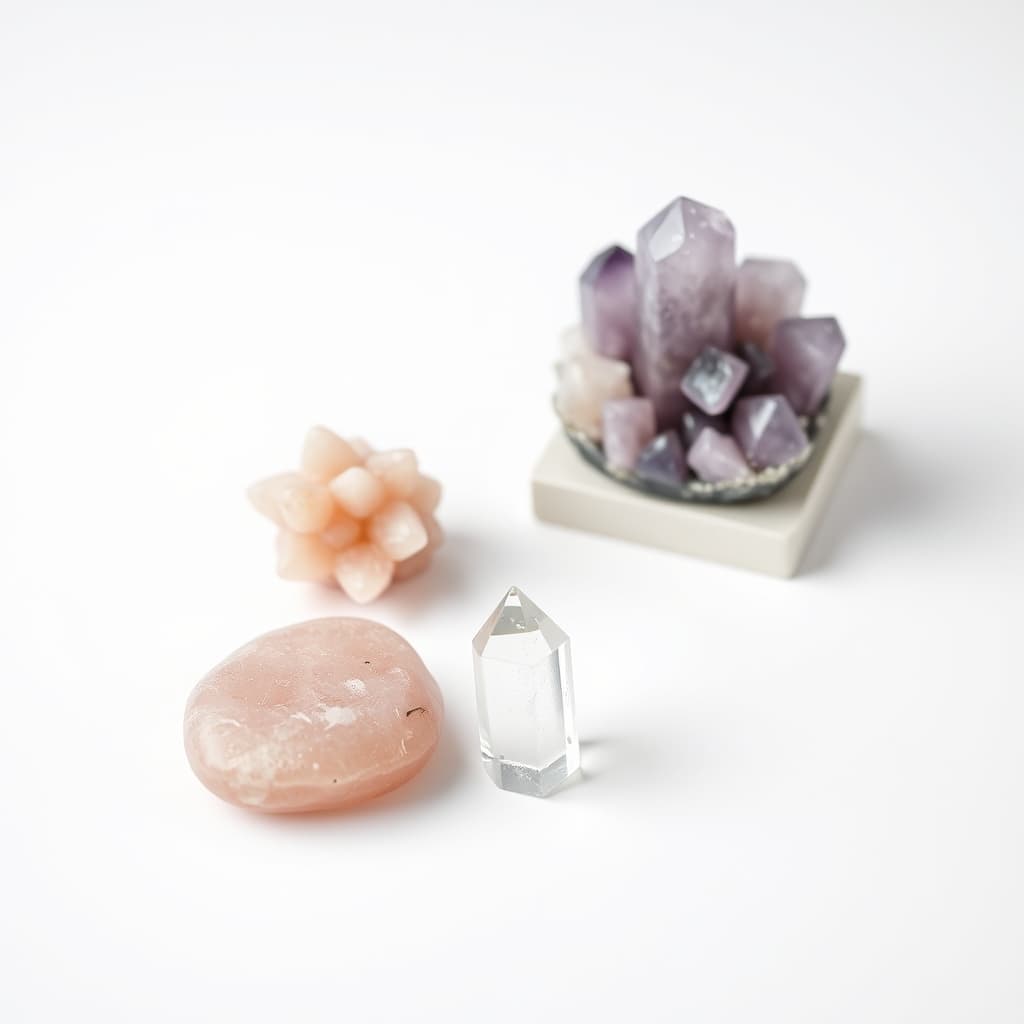
Crystal pairing is one of the older parts of the tradition, and one that modern guides usually get wrong. Most online pairing lists feel invented because they are invented, assembled from vibes rather than from actual continuity across sources. This guide reports the twelve pairings that keep showing up across Hellenistic, Vedic, and European folk practice, and explains the reasoning behind each one.
Why pairings at all
Single stones do focused work. Paired stones work across two dimensions simultaneously. Clear quartz alone amplifies intention. Rose quartz alone opens the heart. Together they amplify heart work. The pairing is a deliberate decision to address more than one quality without diluting either.
The trap is greedy pairing. Combining four or five stones for one session is usually a sign of collecting rather than working. Two stones, occasionally three, is where the tradition sits.
The twelve pairings
1. Clear quartz and rose quartz
Purpose: amplified self-compassion work.
Clear quartz carries the oldest amplification tradition in the practice. Rose quartz carries the Venus heart tradition. Together, the amplification is directed specifically at opening the heart rather than at general intention. This is the most common traditional pairing in beginner collections for good reason.
How to use: a pair of tumbled pieces in a pocket or small bowl. Replace the pair every month on the new moon to keep the intention fresh.
2. Amethyst and clear quartz
Purpose: meditation and study.
Amethyst settles thought. Clear quartz keeps the settled state focused rather than drifting. The combination is traditional in Indian textual practice for periods of sustained study.
How to use: place the pair on a desk where you work. The amethyst nearest you, the clear quartz at the outer edge.
3. Black tourmaline and selenite
Purpose: protective grounding with ongoing cleansing.
Black tourmaline grounds. Selenite cleanses. The pair is one of the most protective traditional combinations, usually placed at thresholds (by the front door, on a bedside table) where the cleansing is continuous.
How to use: two pieces, separated by a few inches, at a threshold point. Selenite also cleanses the tourmaline, so the pair maintains itself.
4. Moonstone and amethyst
Purpose: dream and intuition work.
Moonstone carries lunar intuition. Amethyst carries third-eye tradition. Together, the pair is the traditional dreamwork combination, placed by the bed or under the pillow for recall work.
How to use: a small moonstone and a tumbled amethyst on the bedside table. Replace monthly on the full moon.
5. Carnelian and citrine
Purpose: creative momentum and sustained focus.
Carnelian carries the courage and sacral tradition. Citrine carries the solar plexus and clarity tradition. The pair is the traditional combination for creative work that needs both initiation and sustained follow-through.
How to use: on a desk during a focused project. Set aside when the project ends, to mark the closing of the work.
6. Lapis lazuli and clear quartz
Purpose: truth speech and writing.
Lapis lazuli carries the throat-chakra truth tradition across Egyptian and Sumerian practice. Clear quartz amplifies. The pair is the traditional combination for anyone doing work that requires honest speech or writing.
How to use: on a writing desk, or held in the non-dominant hand during phone calls that need careful wording.
7. Rose quartz and green aventurine
Purpose: relational work and Venus earth.
Rose quartz carries the Venus heart. Green aventurine carries the Venus earth, grounded warmth. The pair is the traditional combination for ongoing relational work, whether romantic, familial, or friendship.
How to use: a small pair in a bowl in the living area of the home.
8. Obsidian and clear quartz
Purpose: shadow work with integration.
Obsidian carries the traditional shadow-work role, offering honest reflection. Clear quartz keeps the reflection integrated rather than overwhelming. The pair is used when deliberate shadow work is the practice.
How to use: for a specific ritual or journaling session, not continuous. Put away when the session ends.
9. Tiger's eye and hematite
Purpose: discernment with grounded confidence.
Tiger's eye carries the traditional cat's-eye discernment. Hematite carries the grounded Roman soldier tradition. The pair is traditional for decision-heavy days, particularly business or legal decisions.
How to use: in a pocket during meetings. A small tumbled piece of each.
10. Bloodstone and carnelian
Purpose: endurance through difficult work.
Bloodstone carries the Roman soldier endurance tradition. Carnelian carries courage. The pair is the traditional combination for long projects that require both sustained effort and fresh courage, traditionally used by soldiers and long-distance travellers.
How to use: during extended work phases. A small pair in a pocket or bag.
11. Selenite and moonstone
Purpose: crown chakra and lunar practice.
Selenite carries the crown-chakra softness. Moonstone carries the direct lunar tradition. The pair is one of the oldest full-moon ritual combinations in European folk practice.
How to use: on a windowsill during the three nights of the full moon. Moved indoors afterwards to anchor the ritual.
12. Malachite and rose quartz
Purpose: transformative heart work.
Malachite carries the deep transformation tradition. Rose quartz softens the process with self-compassion. The pair is used for heart work that involves active change rather than passive comfort.
How to use: for a specific life transition, not continuous. Set aside when the transition completes.
A comparison table
| Pairing | Primary role | When to use |
|---|---|---|
| Clear quartz + rose quartz | Amplified self-compassion | Daily carry, beginners |
| Amethyst + clear quartz | Meditation, study | Desk during focus work |
| Black tourmaline + selenite | Grounded cleansing | Thresholds, always on |
| Moonstone + amethyst | Dream recall | Bedside |
| Carnelian + citrine | Creative momentum | Project work |
| Lapis + clear quartz | Truth speech | Writing, hard conversations |
| Rose quartz + green aventurine | Relational work | Home living areas |
| Obsidian + clear quartz | Shadow integration | Ritual sessions |
| Tiger's eye + hematite | Decision work | Meetings |
| Bloodstone + carnelian | Endurance | Long projects |
| Selenite + moonstone | Lunar ritual | Full moon |
| Malachite + rose quartz | Transformation | Life transitions |
How to build your own pairings
If you want to go beyond the twelve, three honest principles.
Share an element or chakra. Two stones that align on one axis (both fire, or both heart) have a coherent shared intention. Two stones from opposite axes feel scattered.
One amplifier, one specific. Pair clear quartz, selenite, or fluorite (amplifiers) with one specific-role stone (rose quartz, carnelian, obsidian). The amplifier carries, the specific stone directs.
Stop at three. Four stones dilute. If you find yourself adding a fourth, you are choosing a bowl of crystals rather than a pairing. Pick the two or three that matter most.
A closing thought
The best pairings are the ones you actually use. Choose one from the twelve that matches something happening in your life right now, set it up somewhere you will see it, and leave it for a month. That is how the tradition was always meant to work: deliberate, slow, and quiet.
If you are still building a collection, the beginner starter set gives you most of the pairing vocabulary already. The cleansing, you will find covered in our cleansing guide.
Want a piece from this guide?
Until our shop is live, we hand-arrange orders through Instagram. Tap to ask what is currently available.
Preview the message
Hi AU Crystals,

I was reading your Crystal Pairings That Actually Work, a Traditional Field Guide page (aucrystals.com/blog/crystal-pairings-that-work).

I wanted to ask about the stones in this guide.
A starter message gets copied to your clipboard. Paste it into the DM on Instagram.
A few honest questions.
Is there a limit to how many crystals I can combine?
Traditional practice tends to cap pairings at two or three stones. More than that, the symbolic logic starts to blur and the intention dilutes. A focused pair is usually stronger than a crowded bowl.
Do crystals ever clash?
Not physically, but symbolically some combinations work against each other. Stones associated with opposite elements (fire and water, earth and air) can feel contradictory for focused intention. When in doubt, choose stones sharing an element or a chakra association.
Can I wear pairings as jewellery?
Yes. A bracelet combining rose quartz and amethyst, or a pendant with clear quartz beside black tourmaline, carries the pairing through daily life. Traditional bead practice uses this frequently.
How long should I keep a pairing set up?
There is no rule. Some practitioners keep a pairing together for the month, others for a specific season or project. Changing the set periodically keeps the practice alive rather than decorative.
Keep reading.
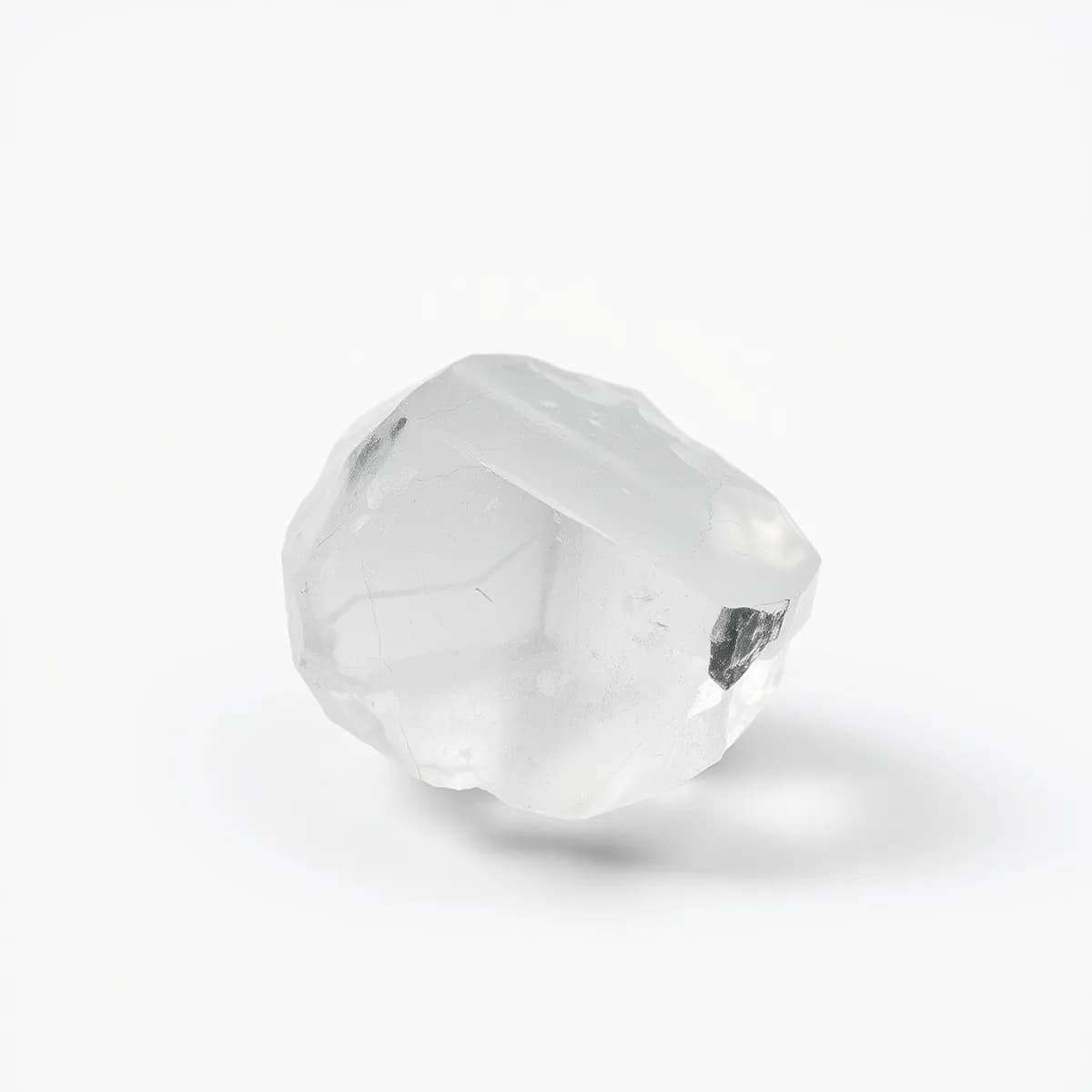
Clear Quartz, the One That Does a Bit of Everything
Called the master healer in tradition and used in nearly every radio and watch in the twentieth century. A look at what clear quartz actually is, how it earned its reputation, and why it gets recommended for almost everything.
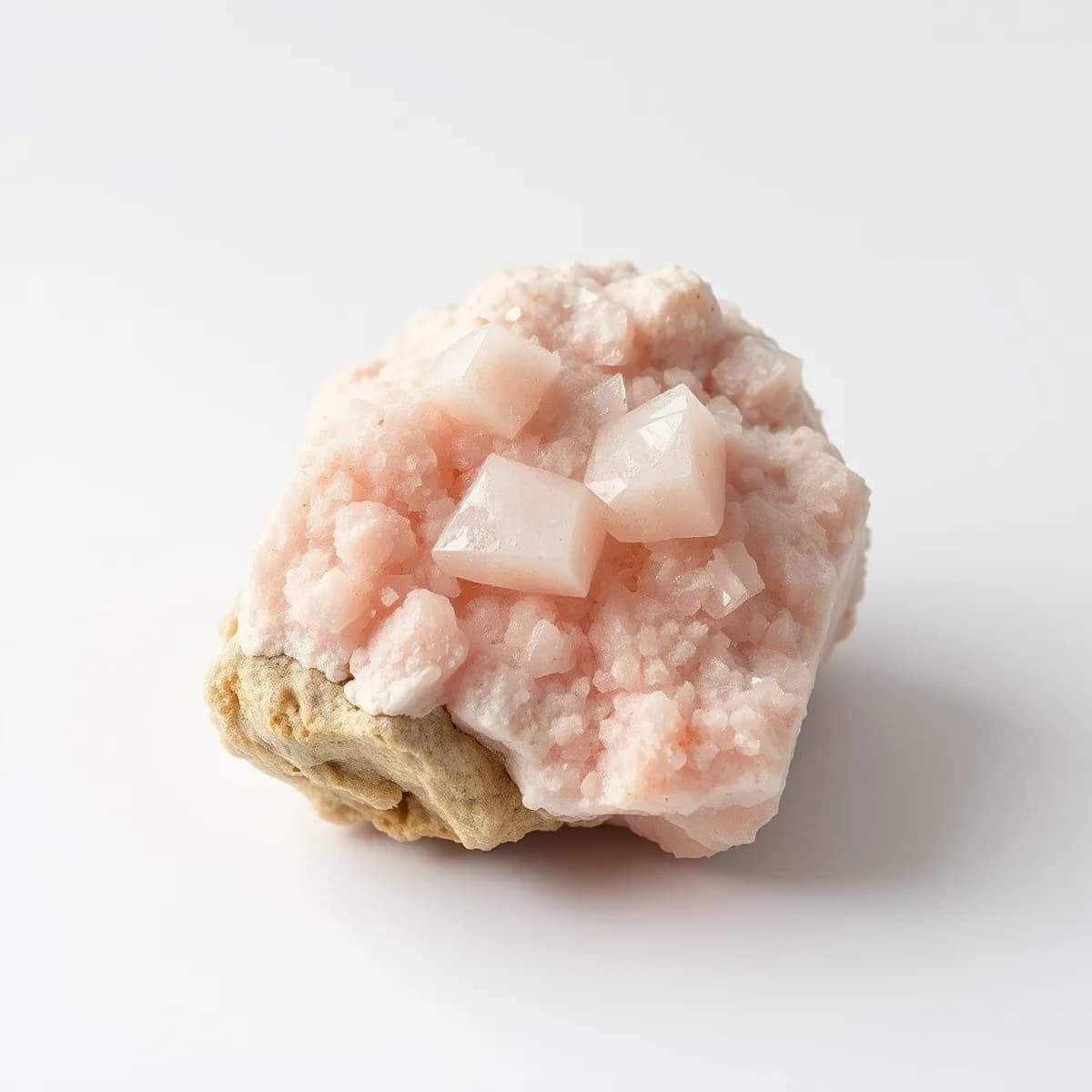
Rose Quartz, Honestly
Most of what gets written about rose quartz is a bit breathless. Here is a quieter guide, with the geology, the tradition, and a few honest notes on what crystal skincare can and cannot do.
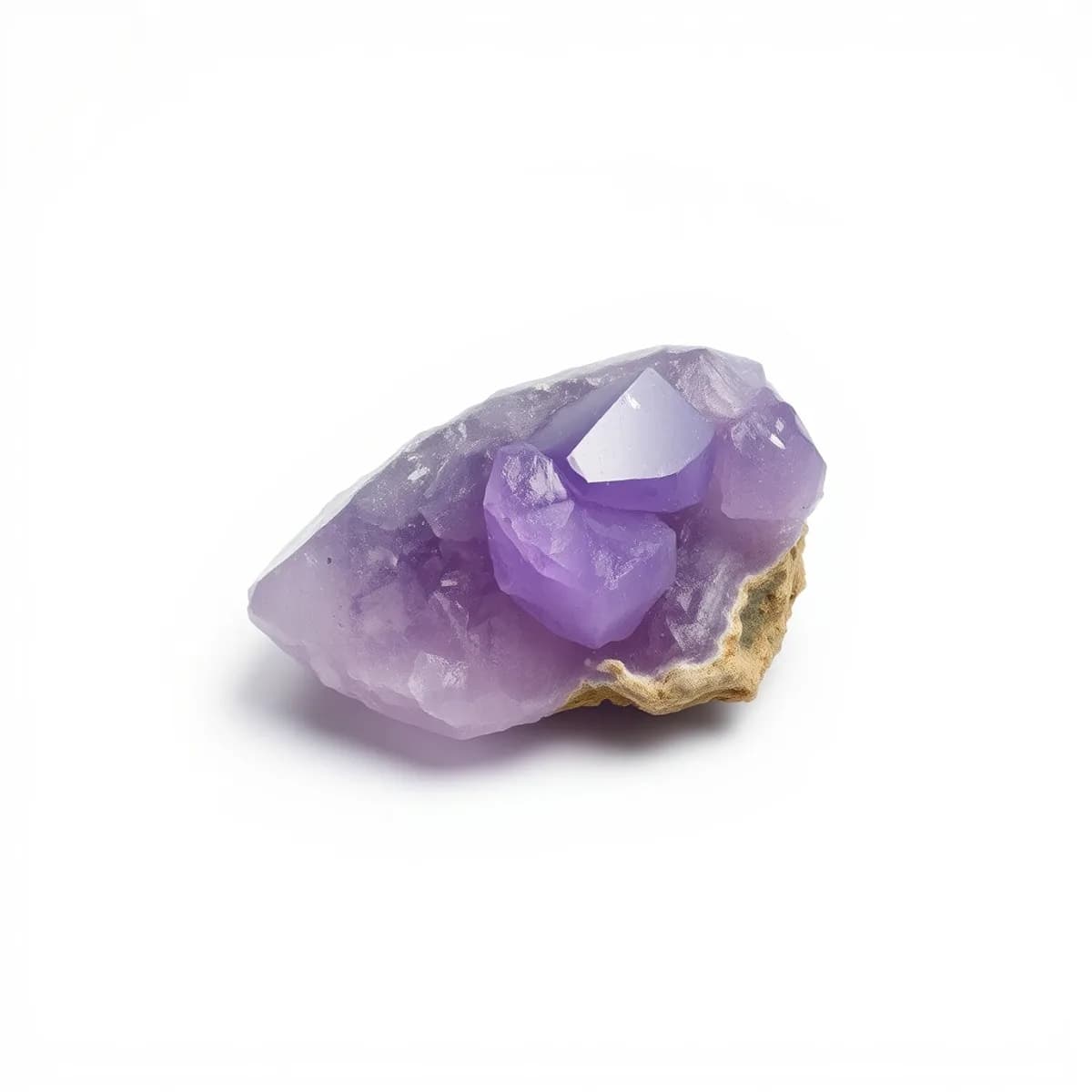
Amethyst, at Closer Range
The stone most people meet first. A slower look at where it comes from, why Brazilian and Uruguayan pieces look so different, and what sleep research can and cannot say about keeping one by the bed.
Mentioned in
Sit with us on Sundays.
One quiet letter every week. New writing, a crystal to consider, and whatever we have been thinking about. No tracking pixels, no affiliate noise.
By subscribing you agree to receive weekly emails from AU Crystals. Unsubscribe anytime. See our privacy note.