
Where to Buy Crystals Ethically, an Honest Guide
The mining and labour realities behind the crystal market, plus how to tell an ethical seller from one using ethics as marketing. Written for buyers who want the stone without the supply-chain harm.
Quick facts11ShowHide
- ChakraAll chakras
- Mohs hardnessn/a
- Mineral familySourcing
- OriginGlobal mining
- ColourVaried
- ElementEarth
- ZodiacUniversal
- Sits well withInformed buying, supply-chain awareness
- Water safen/a
- Sun safen/a
- RarityKnowledge
The crystal industry has a sourcing problem most guides politely ignore. A stone that looks serene on a shelf may have come from an unregulated pit worked by people earning less than two dollars a day. This guide names the real landscape, points at the documented problem zones, and gives you practical questions to ask any seller before you pay. The goal is not to make you feel guilty. The goal is to help you buy the stones you want without quietly funding harm.
What the market actually looks like
Most crystals sold in the West pass through at least four hands: the original mine, a regional aggregator, an international wholesaler, and the retail shop. The further you are from the mine, the harder traceability becomes. A bracelet on a marketplace may have changed hands eight times before reaching you. The shop selling it often does not know where the stone originated. That is not automatically dishonest, but it does mean "ethically sourced" on a product page can mean almost anything.
Responsible sourcing is possible, and some sellers do it well. What it requires is a seller willing to name specific mines, specific suppliers, and specific treatments. Vague language is the warning sign.
The documented problem zones
Four specific categories where sourcing has documented issues.
Madagascan rose quartz and labradorite
Madagascar supplies much of the world's commercial rose quartz and labradorite. Parts of this trade operate through small-scale artisanal mining with poor labour protections, including reports of child labour in tributary streams. Not every Madagascan stone is harmful, but stones labelled only "Madagascan" without further specificity should be questioned.
Congolese and Zambian malachite
The Democratic Republic of Congo and Zambia produce much of the world's malachite and copper-associated stones. Some of this supply overlaps with the broader Congolese cobalt mining sector, which has extensively documented child labour and unsafe working conditions. Malachite sold with clear mine-level sourcing from established cooperatives is different from unlabelled marketplace malachite.
Afghan and Pakistani tourmaline, lapis lazuli, and aquamarine
Afghanistan and parts of northern Pakistan produce beautiful tourmaline, lapis, and aquamarine through small-scale mines operating in politically unstable regions. Supply chains often route through unregulated border trade. Responsible sourcing is possible but rare in the lower price tiers.
Brazilian amethyst at impossibly low prices
Brazil produces most commercial amethyst through a mix of large-scale and artisanal operations. Large mines are usually regulated. The problem is bargain-bin amethyst at prices below the actual cost of mining, cutting, and shipping, which implies undocumented labour somewhere in the chain. Price that seems too good usually is.
What good sourcing looks like
Six markers of a seller doing it well.
Country and region specificity. Not "Brazilian" but "Minas Gerais, Brazil, from the Brejinho das Ametistas region." Specificity implies real supplier relationships.
Mine or cooperative names. The best sellers will name the specific mine or cooperative they buy from. Some list supplier names on their About pages.
Treatment disclosure. Honest sellers state when a stone is heat-treated, dyed, irradiated, or lab-grown. Not disclosing these is itself a red flag.
Photo of the actual piece. Stock catalogue photos suggest drop-shipping from an aggregator. Hand-photographed pieces with natural imperfections suggest direct relationships.
Reasonable prices. Honestly sourced stones cost what they cost. Prices far below market usually mean the supply chain has hidden someone's underpayment.
Willing answers. If you email and ask "where did this specific piece come from?" an ethical seller answers in a paragraph. An unethical one gives you vague reassurance or silence.
Where to actually shop
Four categories worth considering.
Direct-from-mine cooperatives. Some regions have established cooperatives that sell directly, often through wholesaler websites. These have the shortest supply chain and clearest traceability. You usually pay a premium, and the selection is narrower.
Established specialist shops with published sourcing policies. A small number of long-running crystal shops publish their sourcing standards, name their suppliers, and submit to third-party audits. These are the shops to bookmark. Finding them takes research, but once you find a good one it becomes your default.
Local rock and mineral shows. Mineral and gem shows bring buyers into direct contact with small suppliers who can often answer specific sourcing questions face to face. Prices are competitive, and the conversations teach you more than online browsing.
Lab-grown for quartz family stones. For clear quartz, amethyst, and citrine, lab-grown stones are chemically identical, clearly traceable, and usually cheaper. The tradeoff is the geological history is absent.
Where to be cautious
Three places that warrant extra checking.
Marketplace platforms with no seller detail. Massive marketplaces with thousands of crystal listings and no sourcing information by default make unethical sourcing invisible. Not every listing there is bad, but the burden of verification falls entirely on you.
Manifestation or wellness influencer shops. Shops built around personal branding sometimes prioritise aesthetic curation over supply-chain transparency. A well-designed website is not a sourcing guarantee.
Wholesale mineral import showrooms in tourist districts. Especially in certain markets abroad, these pass unregulated material through at low prices. Souvenirs are different from considered purchases.
A comparison table
| Shop type | Traceability | Typical price | Best for |
|---|---|---|---|
| Direct-from-mine cooperative | High | Premium | Flagship pieces |
| Specialist shop with policy | High | Fair | Regular buying |
| Mineral show, small supplier | Medium to high | Competitive | Building relationships |
| Lab-grown quartz supplier | High | Low to mid | Amethyst, citrine, clear quartz |
| Unverified marketplace | Low | Variable | Only after research |
| Influencer wellness shop | Variable | Premium | Check independently |
The three questions
If you only remember one thing from this guide, remember these three questions. Email them to any seller before your first order.
- What country and region is this stone from?
- Do you know the specific mine or supplier?
- Is this stone treated, dyed, or enhanced in any way?
The speed and specificity of the answer tells you more than any "ethically sourced" label ever will.
A closing thought
Ethical crystal buying is slower than impulse buying. That is the whole point. The practice rewards the same attention you are trying to build with the stones themselves. If you cannot verify the source of a piece, consider whether the pull is for the stone or for the dopamine of buying something. Often, the stones you already own will do the work you need, and the next piece can wait until you find it from a seller you trust.
For background on identifying real stones once you have bought them, see our amethyst authenticity guide. For the considered starting collection, see our beginner starter set.
Want a piece from this guide?
Until our shop is live, we hand-arrange orders through Instagram. Tap to ask what is currently available.
Preview the message
Hi AU Crystals,

I was reading your Where to Buy Crystals Ethically, an Honest Guide page (aucrystals.com/blog/where-to-buy-crystals-ethically).

I wanted to ask about the stones in this guide.
A starter message gets copied to your clipboard. Paste it into the DM on Instagram.
A few honest questions.
Are crystals inherently unethical?
Not inherently, but the global crystal market has real labour and environmental problems. Some stones are mined in unregulated small-scale operations with child labour and unsafe conditions. Others are mined responsibly. The ethics depend entirely on the specific stone and the specific mine, which is why questioning your seller matters more than a general boycott.
Which crystals have the worst sourcing records?
Mica (used in some glitter crystals), certain Madagascan labradorite and rose quartz, some Congolese malachite, and most unregulated Afghan tourmaline have documented issues. Stones labelled by country alone, without mine or region, are harder to verify.
Is lab-grown always more ethical than mined?
Usually yes for labour impact, often yes for environmental impact, though lab synthesis uses significant energy. For amethyst, citrine, and clear quartz, lab-grown is chemically identical and has a clear sourcing record. The tradeoff is the stone has no geological history, which matters to some practitioners.
What questions should I ask a seller?
Three work most of the time: What country and region is this stone from? Do you know the specific mine or supplier? Is this stone treated, dyed, or heat-enhanced? Honest sellers answer without friction. Sellers who dodge these questions usually cannot answer them.
Are small artisan shops more ethical than big marketplaces?
Often, but not always. Small shops with direct supplier relationships tend to have better traceability. But marketing-heavy boutique shops with vague "ethically sourced" language and no specifics are common too. The test is specificity, not scale.
Keep reading.
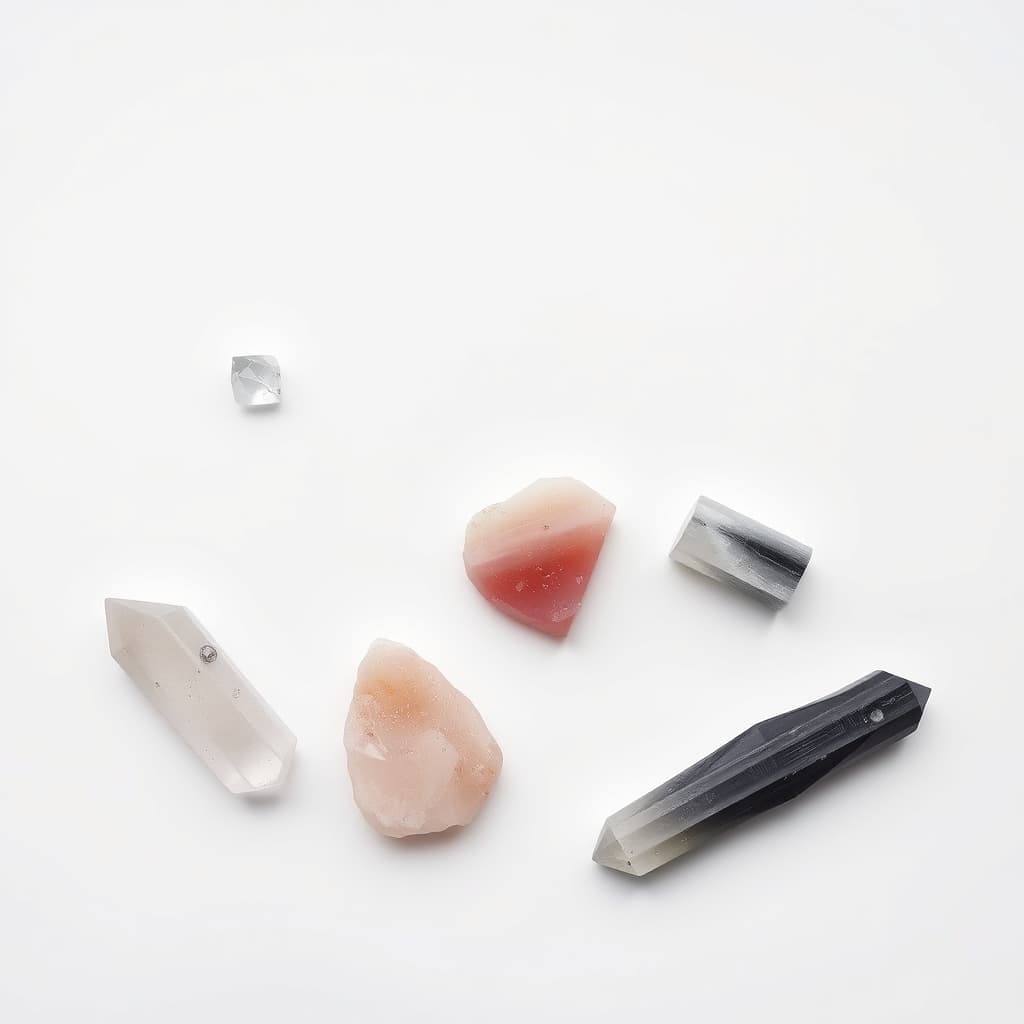
The Best Crystals for Beginners, a Thoughtful Starter Set
The five stones that belong in every first collection and why. Written for people starting from zero, without the upsell to pre-assembled kits that usually cost three times what the individual pieces would.
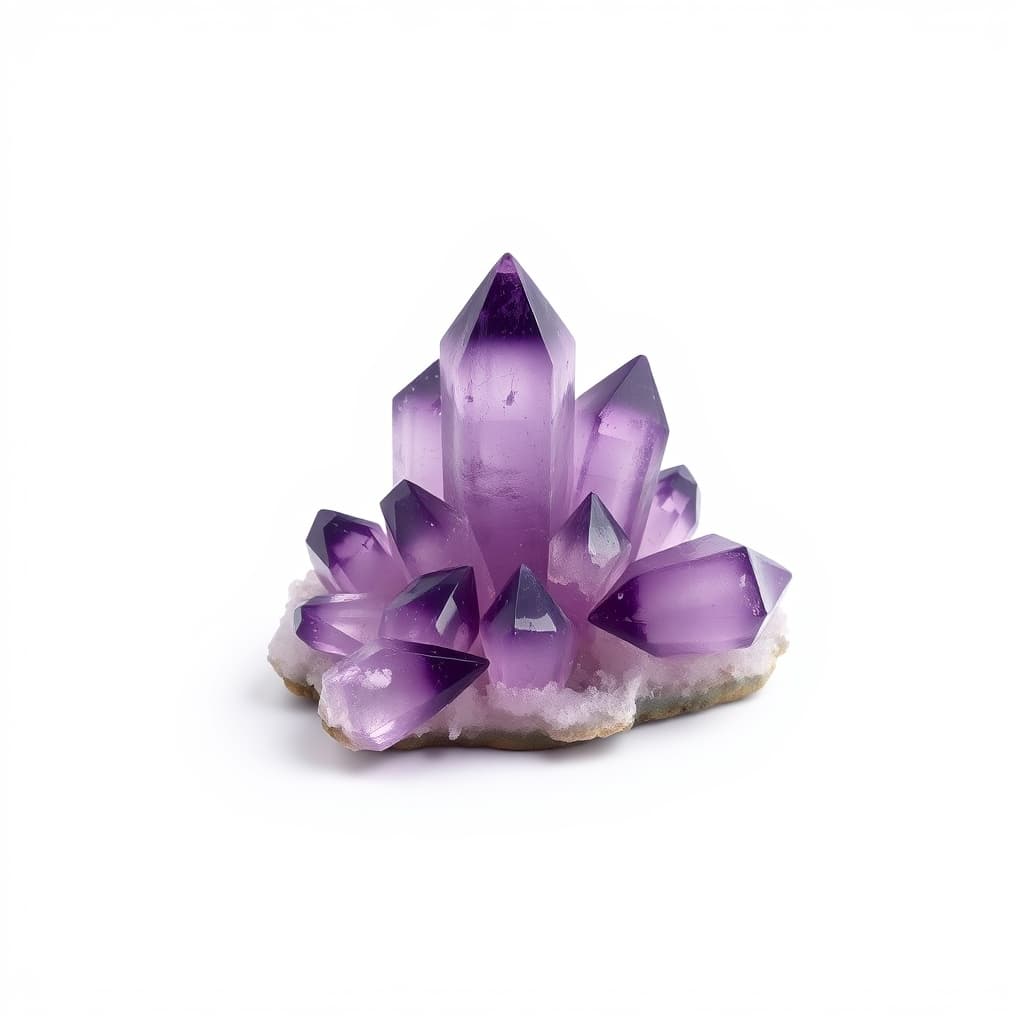
How to Tell Real Amethyst from Fake, an Honest Buying Guide
The six practical tests that separate genuine natural amethyst from dyed glass, heat-treated citrine sold as amethyst, and synthetic lab stones. No specialist tools needed for most of them.
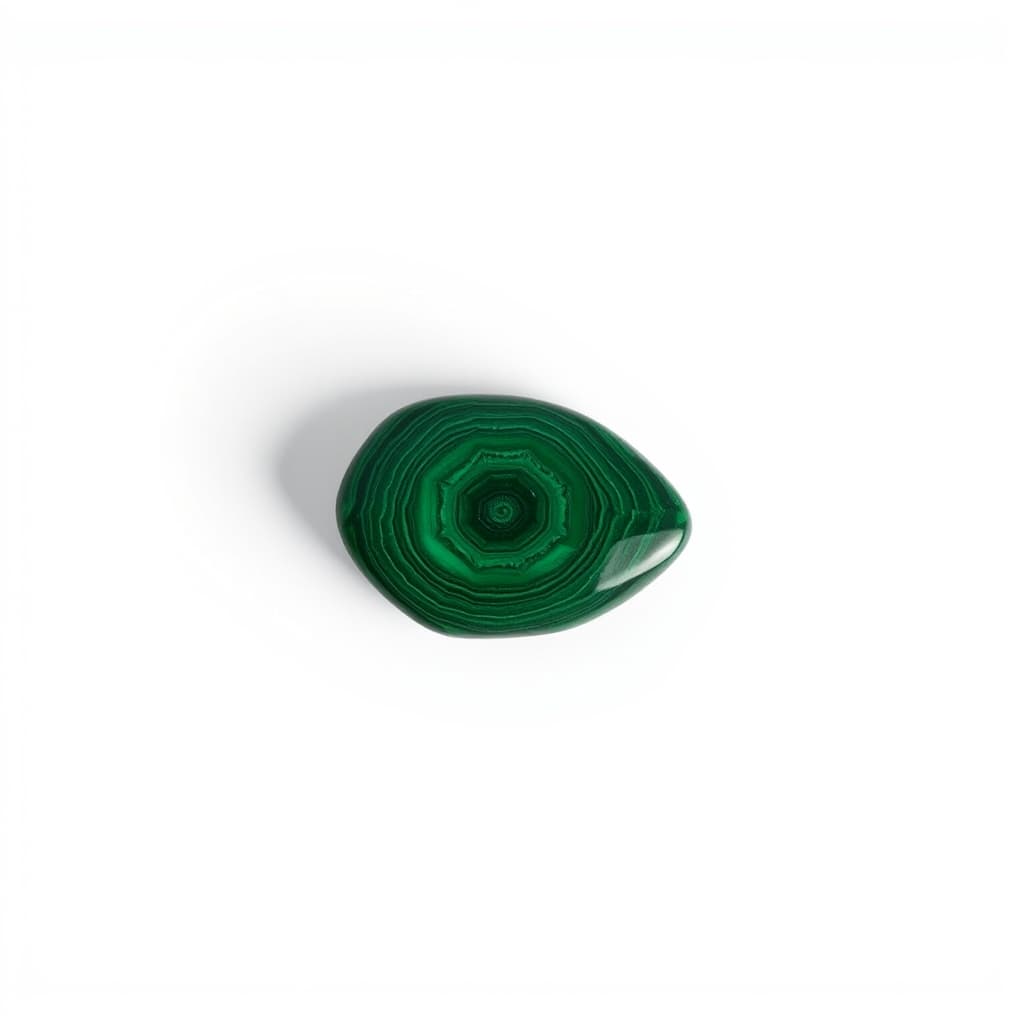
Malachite, the Green That Hides a Warning
Few stones are as striking as a polished malachite, and few crystals require as much honest handling. Where it comes from, why the dust is toxic, and how to live with one of the most beautiful and demanding stones in the mineral world.
Sit with us on Sundays.
One quiet letter every week. New writing, a crystal to consider, and whatever we have been thinking about. No tracking pixels, no affiliate noise.
By subscribing you agree to receive weekly emails from AU Crystals. Unsubscribe anytime. See our privacy note.