
Sunstone, the Stone That Holds a Fragment of Sunlight
A copper-shimmer feldspar that has been worn as a solar talisman for two thousand years. The mineralogy behind the aventurescence, the Norse navigation tradition, and honest advice on telling natural sunstone from goldstone imitations.
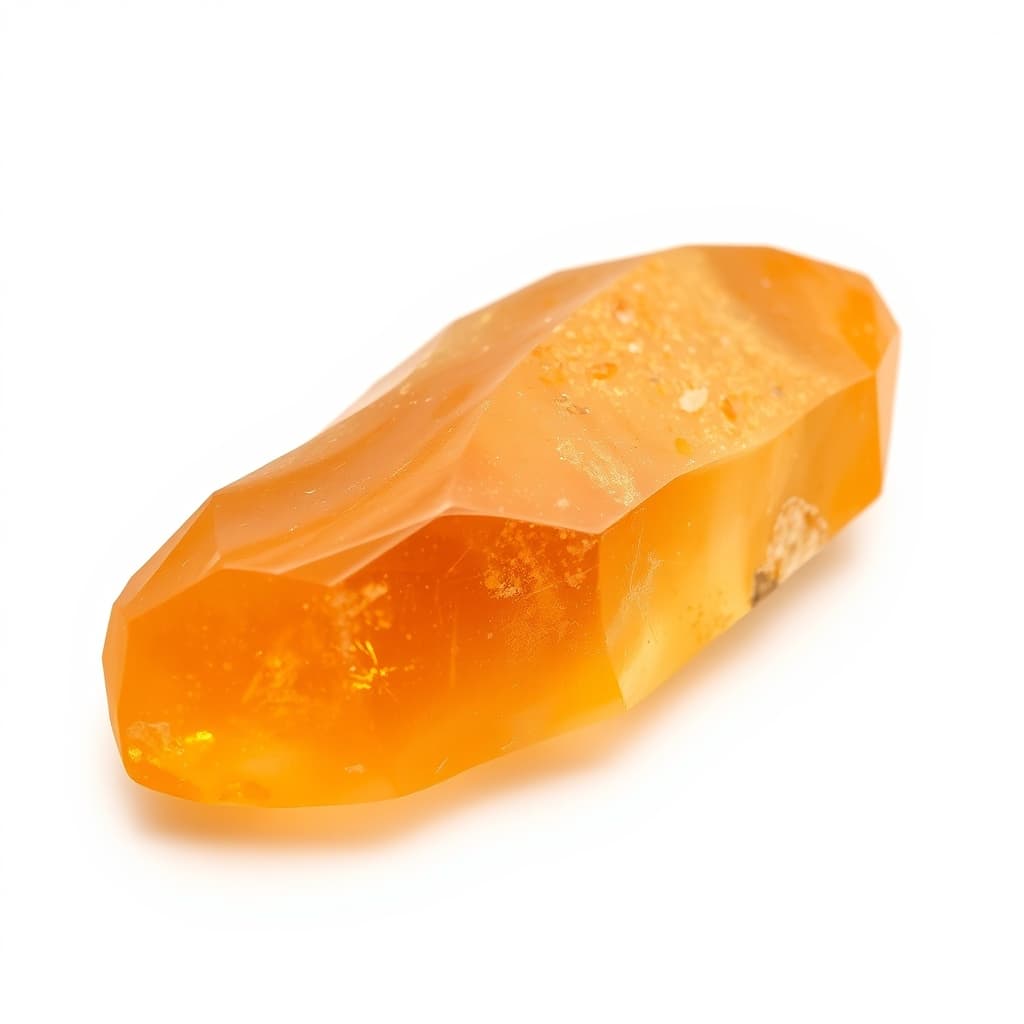
Quick facts11ShowHide
- ChakraSolar Plexus (Manipura), Sacral (Svadhisthana)
- Mohs hardness6 to 6.5
- Mineral familyFeldspar (oligoclase)
- OriginOregon USA, India, Norway, Russia, Canada
- ColourGolden orange to red with copper aventurescence
- ElementFire
- ZodiacLeo, Libra, Aries
- Sits well withVitality, confidence, solstice practice
- Water safeBrief contact only
- Sun safeYes
- RarityOregon transparent varieties are uncommon
Sunstone is the crystal equivalent of a spark caught in a piece of glass. Tilt it and the copper shimmer travels across the surface in a way that feels like light itself is moving inside the stone. This optical effect has carried sunstone through two thousand years of solar symbolism, from Norse navigation folklore to Vedic solar plexus practice to contemporary solstice ritual. This guide explains what actually makes sunstone shimmer, walks through the varieties, and gives honest advice on telling real sunstone from the manufactured goldstone that often replaces it.
What aventurescence actually is
The shimmering spark in sunstone is called aventurescence, from the Italian aventura, meaning chance. It happens because microscopic platelets of copper or hematite are trapped inside the feldspar crystal in parallel orientations. When light enters the stone, it reflects off these platelets at specific angles, producing the glittery shimmer that appears to travel as you tilt the piece.
This is different from the shimmer in moonstone (which is called adularescence and comes from layered feldspar structure) and different from the silky band in tiger's eye (which is chatoyancy from parallel fibrous inclusions). Each effect has its own mineralogical cause.
The aventurescence is the visual signature of real sunstone. A piece without it is not sunstone, regardless of what the label says.
The varieties
Three main types sit in the market.
| Variety | Colour | Origin | Notes |
|---|---|---|---|
| Oregon sunstone | Transparent red, orange, green | Oregon USA | Highest grade, gem-quality |
| Indian sunstone | Opaque orange with golden shimmer | India | Most commercial tumbled material |
| Goldstone | Brown with uniform glitter | Made in a factory | Manufactured glass, not a stone |
Oregon sunstone is the gem-quality variety. It comes from the Ponderosa and Dust Devil mines in southeastern Oregon and includes a rare fully transparent red form that some sources consider the most prized sunstone in the world. Faceted Oregon sunstone appears in fine jewellery and commands serious prices.
Indian sunstone is the variety most people encounter as tumbled stones. It is opaque, warm orange with a golden shimmer, and is usually what you find in bracelets and pendants at common crystal shops. Real Indian sunstone still shows natural aventurescence, just less dramatic than Oregon transparent grades.
Goldstone is the trap. It is factory-made glass with copper flakes suspended in it, invented in Venice in the 17th century. It looks superficially like sunstone but has a perfectly uniform bronze sparkle that reveals its manufactured origin. Goldstone is not a stone; it is a craft material, and selling it as sunstone is dishonest.
The long tradition
Sunstone shows up across several older traditions.
Viking folklore. Norse sagas reference a "sunstone" used by sailors to locate the sun on overcast days. Researchers believe the literal sunstone of these stories was likely Iceland spar (a calcite variety with strong polarising properties), not the feldspar we now call sunstone. Over time, the name transferred, and contemporary sunstone inherits the navigation tradition by linguistic inheritance.
Vedic solar plexus practice. Indian tradition has long paired warm-orange stones with Manipura, the solar plexus chakra. Sunstone is a natural fit for this, and its use in chakra practice is well established in modern Vedic-adjacent crystal work.
European folk solar symbolism. The simplest and oldest use. A stone that carries a fragment of sunlight is a solar talisman. This symbolic reading appears in folk traditions across Europe, usually paired with summer solstice and Leo-season observance.
The common thread across these traditions is vitality. Sunstone's role is not specialised in the way some crystals are. It is the generalist warmth stone.
The chakra association
Sunstone pairs with the solar plexus (Manipura) and, to a lesser extent, the sacral (Svadhisthana). The solar plexus association relates to personal agency, grounded confidence, and vitality. The sacral association relates to creative heat, the spark that begins a project.
A useful reframe. If sunstone is sold to you specifically as a manifestation tool or a way to attract abundance in a transactional sense, the seller has drifted from the tradition. Sunstone in its older meaning is about warmth, vitality, and embodied confidence. Not acquisition.
Living with a piece
Four approaches that fit this stone.
In a pocket during winter. The traditional placement. A small tumbled sunstone during the cold months is a small companion that carries a fragment of the warmer season.
On a desk during a creative project. Pair with carnelian for sustained creative heat. Sunstone provides the warmth; carnelian provides the courage.
During solstice and Leo season. See our summer solstice guide for the seasonal practice. Sunstone is one of the six traditional solstice stones.
Worn as jewellery. Because sunstone is hard enough (6 to 6.5 Mohs) for daily wear and because direct sun does not harm it, a sunstone pendant or bracelet is one of the most practical crystal jewellery pieces.
Caring for sunstone
Three notes.
It is moderately durable. Hardness 6 to 6.5 is lower than quartz, so store it separately from harder stones that could scratch it.
It is sun-safe. This is unusual. Most coloured crystals fade in prolonged direct sun. Sunstone genuinely tolerates and even benefits from periodic sun exposure as part of its ritual use.
It is water-cautious. Brief contact is fine, but avoid soaking. Feldspar inclusions can occasionally react to prolonged water exposure. Never use ultrasonic cleaners.
Buying with clear eyes
Three honest checks.
Look for natural aventurescence. Real sunstone shimmers from specific angles, not every angle. The shimmer has irregularity to it. Pieces that sparkle uniformly from every direction are goldstone.
Check the transparency if marketed as Oregon. Real Oregon sunstone can be slightly translucent to fully transparent. Opaque pieces sold as Oregon are probably Indian material with a price upcharge.
Ask about treatment. Some Indian sunstone is coloured through heat treatment to deepen the orange. This is usually disclosed; if it is not, ask. Most Oregon sunstone is untreated.
Beware of perfect colour. Very uniform solid orange with perfect regular sparkle points to goldstone. Real sunstone has variance in both colour and shimmer distribution.
Pairings
Sunstone combines well with a few specific stones.
- Sunstone and carnelian. The classical fire pairing. Sunstone is the warmth; carnelian is the courage. Used together during creative work.
- Sunstone and citrine. Both solar plexus stones, both golden. The combination amplifies the solar plexus work specifically, and pairs well for solstice practice.
- Sunstone and amazonite. An unusual but effective pairing. Sunstone warms; amazonite calms. Good for presentations or situations where grounded confidence is needed without fire.
A closing thought
Sunstone is one of the most accessible introductions to feldspar, and one of the few crystals whose solar symbolism is still intact in the market. If you find a piece with real aventurescence at a fair price, it is worth having on hand. The traditional use is quiet: a pocket stone in winter, a desk companion during creative work, a small marker of the sun's warmth kept close when the actual sunlight is absent.
For closely related solar practice, see our carnelian guide and citrine guide. For seasonal application, see our summer solstice guide.
Want a piece from this guide?
Until our shop is live, we hand-arrange orders through Instagram. Tap to ask what is currently available.
Preview the message
Hi AU Crystals,

I was reading your Sunstone, the Stone That Holds a Fragment of Sunlight page (aucrystals.com/blog/sunstone-complete-guide).

I wanted to ask about the stones in this guide.
A starter message gets copied to your clipboard. Paste it into the DM on Instagram.
A few honest questions.
What is the shimmer in sunstone called?
Aventurescence. It is caused by tiny copper or hematite platelets trapped inside the feldspar crystal. Light bounces off these platelets at specific angles, producing the glittery shimmer that appears to move as you tilt the stone.
Is goldstone the same as sunstone?
No. Goldstone is manufactured glass with copper particles added during cooling. It looks superficially similar to sunstone but is not a natural stone. Goldstone has an artificial uniform sparkle that feels too regular; real sunstone has natural irregularity in the shimmer.
Where is sunstone found?
Oregon (United States) produces the most prized transparent red and orange sunstone. India, Norway, Russia, and Canada also have significant deposits. Oregon sunstone is the highest commercial grade; other sources tend to be more orange than red.
Is sunstone safe in water and sunlight?
Sunstone handles brief water contact without trouble but should not be soaked, as some feldspar inclusions can react. It is safe in sunlight, which fits its solar association; sunstone is one of the rare crystals that genuinely benefits from periodic sun exposure rather than being damaged by it.
What is the Norse navigation story?
Medieval Norse texts reference a "sunstone" used by sailors to locate the sun on overcast days for navigation. Researchers believe this was likely a calcite crystal (Iceland spar) rather than what we now call sunstone, though the name stuck. The modern sunstone inherited the navigation tradition by extension.
Keep reading.
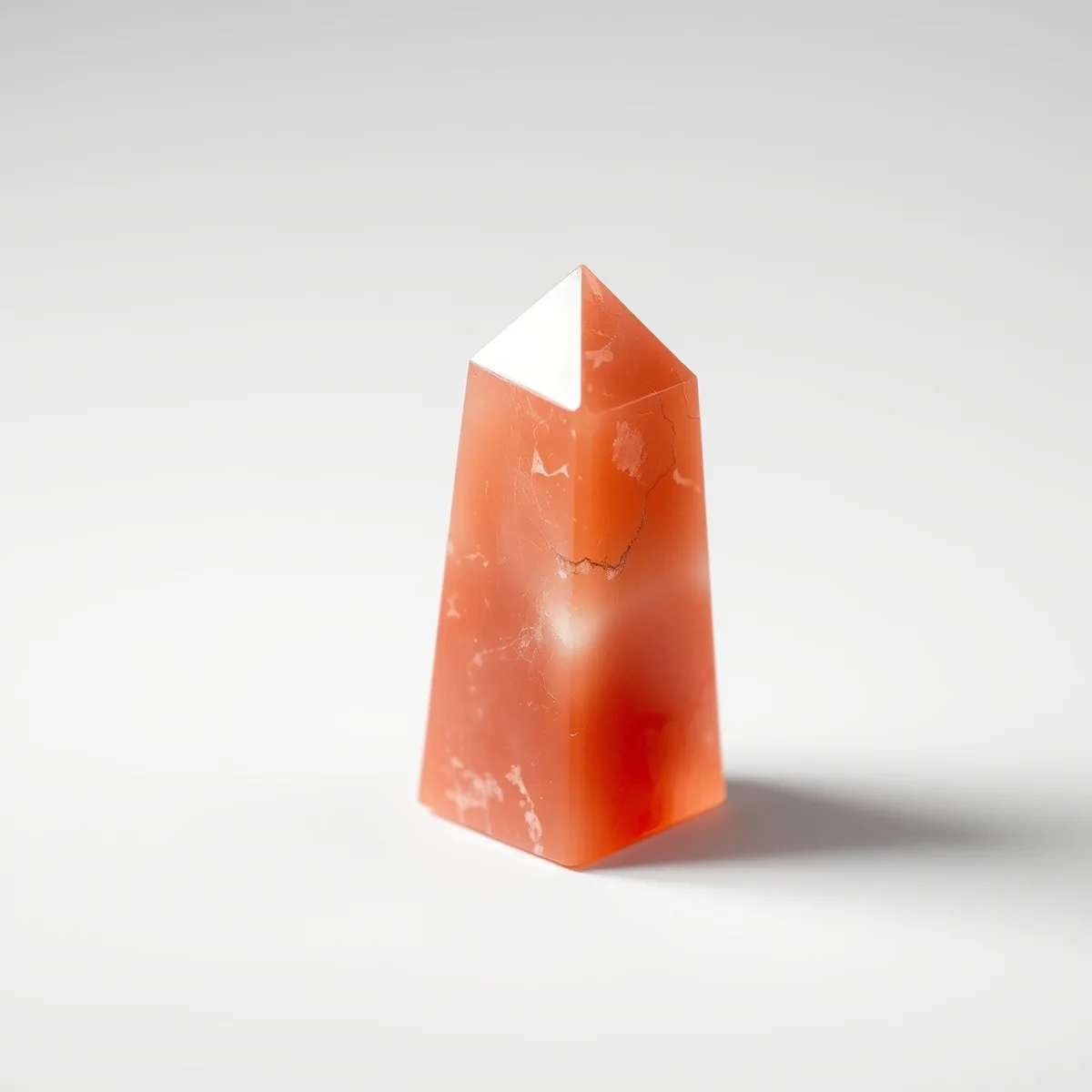
Carnelian, the Warm Stone That Gets You Moving
Red orange chalcedony that shows up on ancient jewelry, Roman signet rings, and Egyptian burial goods. Why the stone has been associated with courage for three thousand years, and what the heat treatment question means for modern buyers.
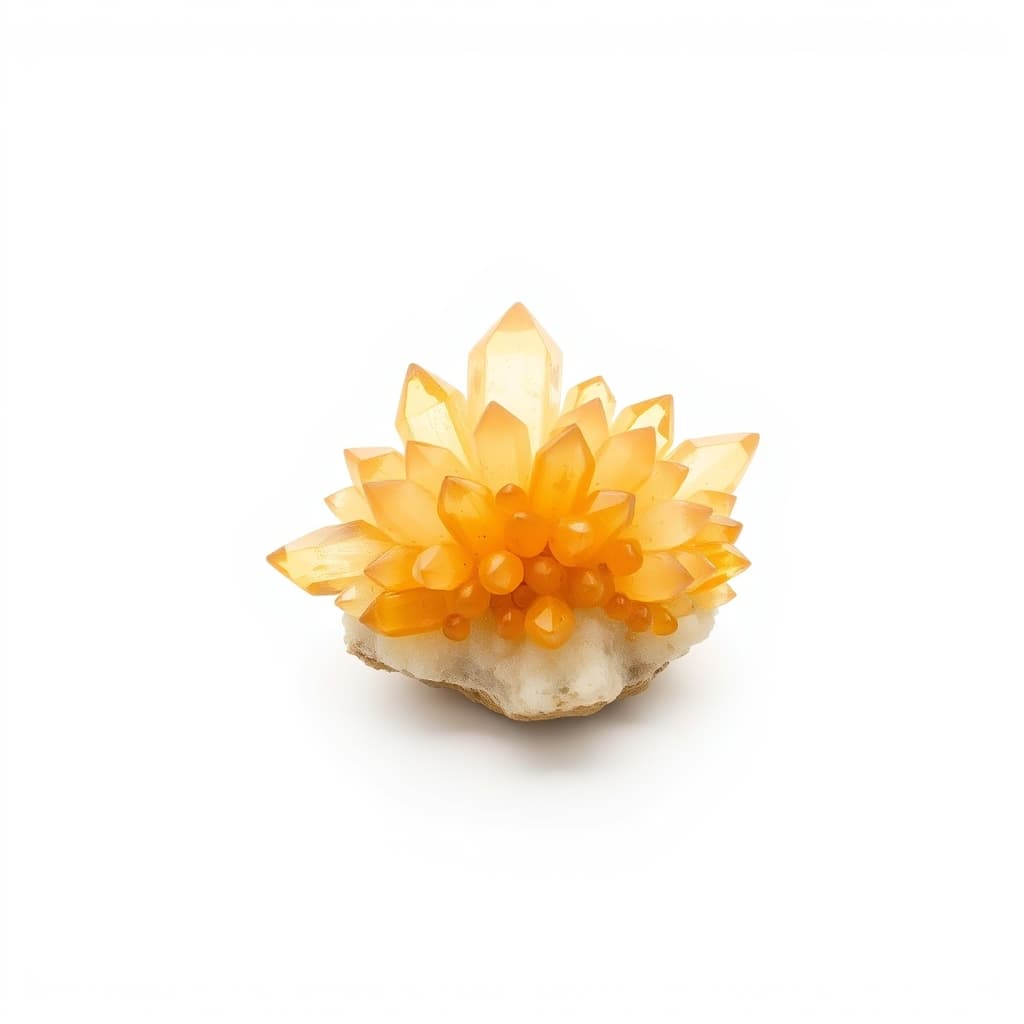
Citrine, and the Quiet Trouble With Most of What You Buy
Real citrine is one of the rarer quartz varieties. Most of what sells under the name is heat treated amethyst. Here is how to tell the difference, why it matters, and what the stone traditionally stood for before any of that got complicated.
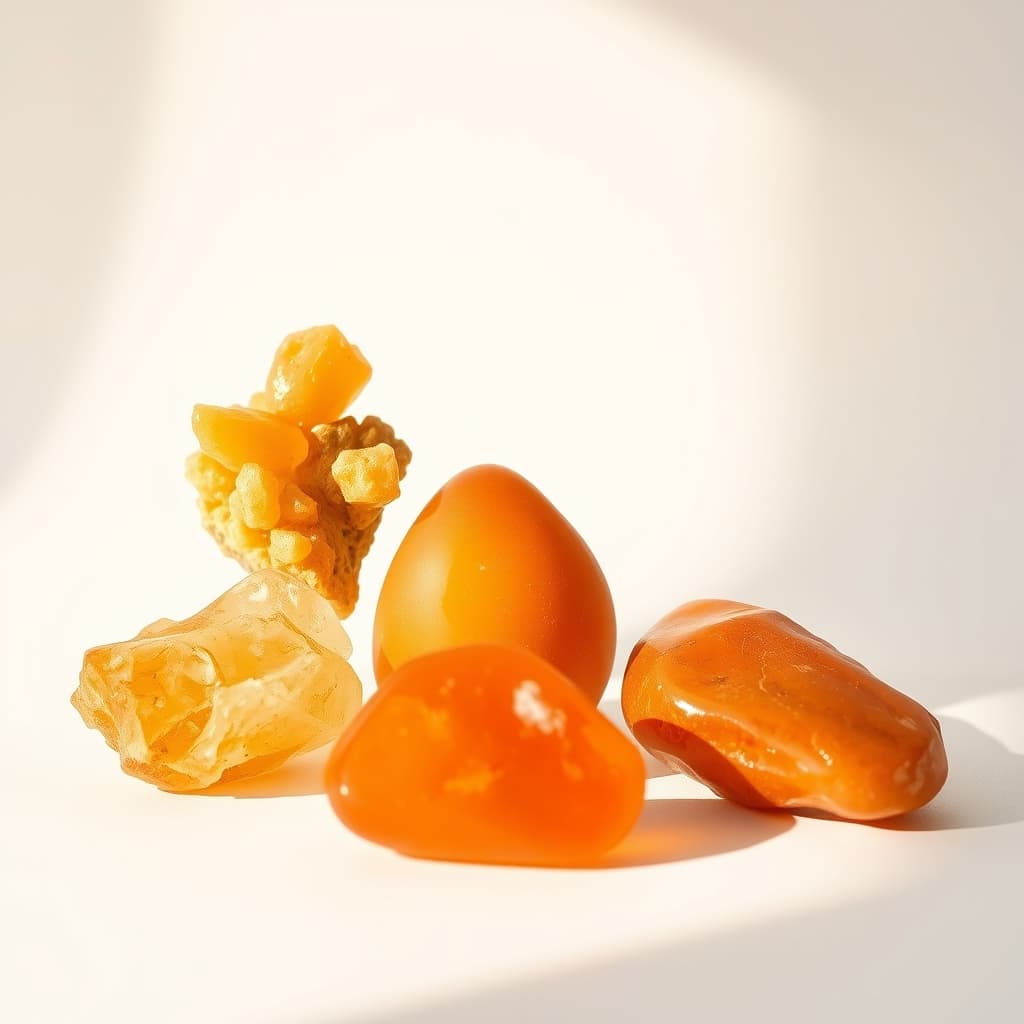
Summer Solstice Crystals, a Traditional Light Practice
The crystals associated with the longest day of the year across traditional practice, and a simple sunrise ritual that holds the quiet opposite meaning of the year's peak.
Mentioned in
Sit with us on Sundays.
One quiet letter every week. New writing, a crystal to consider, and whatever we have been thinking about. No tracking pixels, no affiliate noise.
By subscribing you agree to receive weekly emails from AU Crystals. Unsubscribe anytime. See our privacy note.