
Amazonite, the Stone of Calm Honest Speech
A teal-green feldspar named for the Amazon basin, traditionally paired with the throat chakra and the kind of conversation that requires both courage and gentleness. The mineralogy, the variations, and how to choose well.
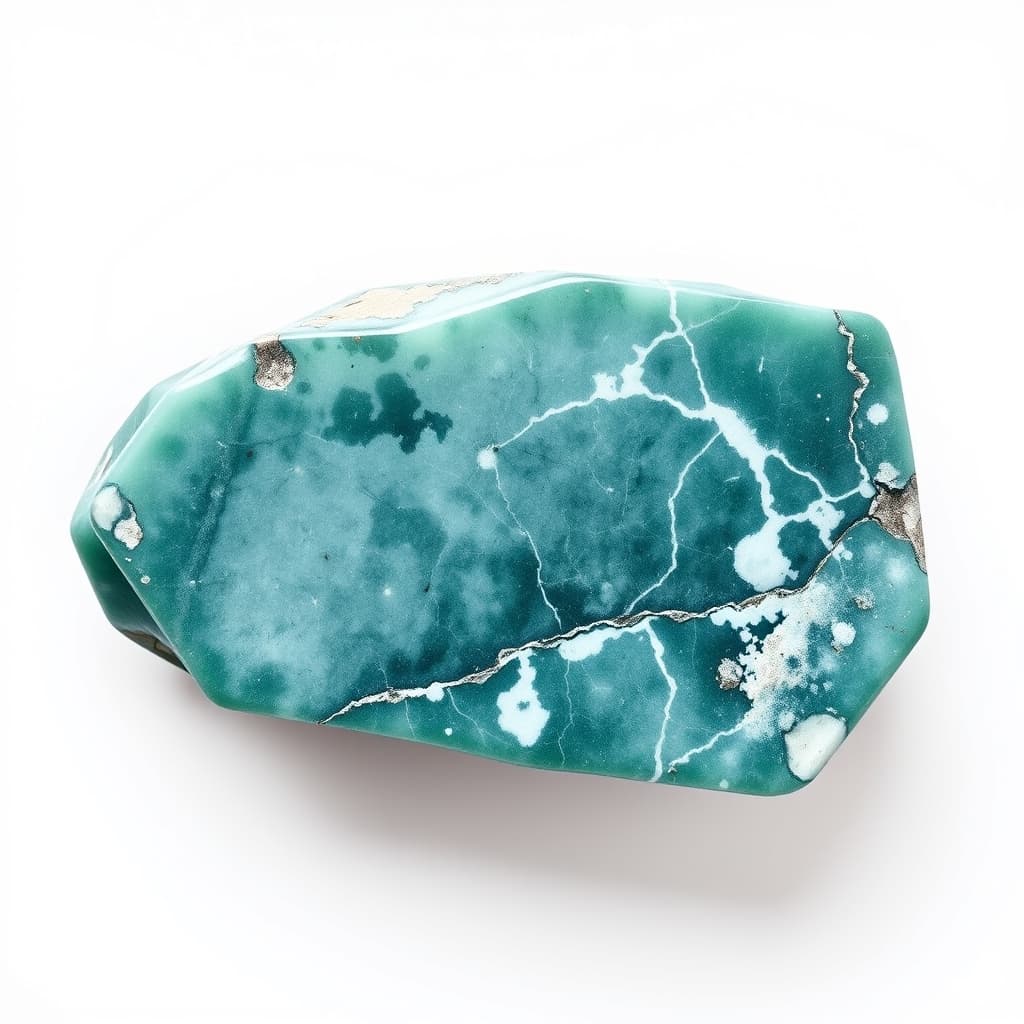
Quick facts11ShowHide
- ChakraThroat (Vishuddha), Heart (Anahata)
- Mohs hardness6 to 6.5
- Mineral familyFeldspar (microcline)
- OriginRussia, Brazil, United States, Madagascar
- ColourTeal blue-green to pale aqua with white veining
- ElementWater, Air
- ZodiacVirgo, Libra
- Sits well withCalm communication, conflict repair, honest speech
- Water safeBrief contact only
- Sun safeMostly yes, prolonged exposure may dull
- RarityCommon, high-grade specimens uncommon
Amazonite is the throat-chakra stone for people who find lapis lazuli too intense. Where lapis carries the weight of three thousand years of monumental truth-telling, amazonite carries a quieter, more relational tradition: honest speech in ongoing relationships, calm conversation through conflict, the kind of communication where being heard matters as much as being right. This guide walks through the mineralogy, the geographical confusion behind the name, the chakra associations, and how to buy a real piece without paying for dyed substitutes.
What it actually is
Amazonite is a variety of microcline feldspar, formula KAlSi3O8, coloured teal blue-green by trace amounts of lead substituting for potassium in the crystal structure. The lead content is the cause of the distinctive colour; without it, the feldspar would be ordinary white or pale grey.
This is unusual. Lead is normally undesirable in minerals, but in amazonite it produces one of the most distinctive natural blue-greens in the crystal world. The amount is small enough to be safe to handle, but it does mean amazonite is a stone you should not put in drinking water.
The name comes from the Amazon River basin, despite almost no actual amazonite being found there. Eighteenth-century European naturalists applied the name to a different green stone from the region; over time the name transferred to the feldspar variety we now call amazonite, while the original Amazon stone has been mostly forgotten.
The varieties
Three regional varieties dominate the market.
| Variety | Colour | Origin | Notes |
|---|---|---|---|
| Russian amazonite | Deep blue-green with white feldspar veins | Russia, Madagascar | Highest grade, classical material |
| Brazilian amazonite | Pale aqua to pastel turquoise | Brazil | More commercially common |
| Colorado amazonite | Bright teal with sharp crystal forms | Colorado, USA | Prized by collectors for crystal habit |
Russian amazonite is the gem-quality material, deep teal-green with characteristic white perthitic veining that comes from the feldspar's two-mineral lamellar structure. The veining is the visible signature of real amazonite.
Brazilian amazonite is paler and more pastel, common in tumbled stone collections. Real Brazilian amazonite is still natural; the lighter colour is the stone's actual hue, not dye.
Colorado amazonite appears as well-formed crystals (often combined with smoky quartz on the same matrix) and is highly prized by collectors more than by spiritual practitioners.
The traditional meaning
Amazonite has been used as a calming and communication-supporting stone across multiple traditions, though the lineage is shorter than for stones like lapis or amethyst.
Egyptian use. Amazonite was used in Egypt as far back as the predynastic period (before 3000 BCE) for amulets and small carvings. Some pieces of amazonite have been found in Tutankhamun's tomb. The Egyptians valued it for its colour resemblance to the more expensive turquoise.
Mesopotamian and Brazilian Indigenous use. The stone appears in early Mesopotamian jewellery and was used by Brazilian Indigenous peoples (despite the Amazon-name confusion, real Brazilian amazonite was used regionally) as both ornamental stone and for ritual.
Modern crystal practice. Contemporary practice pairs amazonite with the throat chakra and with calm relational communication, distinguishing it from the more intense truth-telling tradition of lapis.
Why amazonite, not lapis or sodalite
Three feldspar-and-blue-stone considerations.
Lapis lazuli is the oldest throat stone, but it is also the most intense. Its tradition is around monumental truth-telling: the speech that needs to happen even when difficult.
Sodalite sits between, with a third-eye component that adds an analytical layer to the throat work. Sodalite is the editing stone, the careful re-reading stone.
Amazonite is the gentlest of the three. Its tradition is around the kind of communication that maintains relationships rather than the kind that disrupts them. It is the right stone when you need to say something honest and you want the relationship to remain intact through the saying.
This is a real distinction in practice. Lapis on the desk during a high-stakes professional moment of truth-telling. Amazonite on the desk during a difficult conversation with a partner where both clarity and care matter.
The chakra association
Amazonite pairs with the throat chakra (Vishuddha) primarily, with secondary association to the heart chakra (Anahata) through its green colour. The dual association is exactly why amazonite carries the relational-communication role: it bridges the throat and heart, which is what difficult conversations require.
A useful reframe. If amazonite is sold to you as a stone to "speak your truth" in a confrontational sense, the seller has missed the tradition. Amazonite is the stone for honest communication that includes care for the listener, not just performance of your own clarity.
Living with a piece
Four approaches that fit this stone.
On a desk during a difficult phase. When you know a hard conversation is coming with a colleague, partner, or family member, place a tumbled amazonite on the desk where you write or rehearse what you want to say.
Held before the conversation itself. A small piece in the pocket, briefly held before initiating, is the traditional placement. The physical pause is half the practice.
On a shared surface in the home. A small bowl with amazonite in the kitchen or living room, places where conversation actually happens. Over time, it becomes part of the relational environment.
During Mercury retrograde. Amazonite is one of the traditional Mercury retrograde stones (see our Mercury retrograde guide) for the calm-communication aspect of the three-week phase.
Caring for amazonite
Three notes.
It is moderately durable. Hardness 6 to 6.5 means it scratches more easily than quartz. Store separately from harder stones in jewellery boxes.
It is water-cautious. Brief rinsing is fine. Avoid soaking. Lead-bearing minerals should never go in water you intend to drink.
It is mostly sun-stable. Brief sun exposure does not damage amazonite, but prolonged direct sun (weeks) can dull the colour slightly. Moonlight or smoke are better long-term cleansing methods.
Buying with clear eyes
Four honest checks.
Look for white veining. Real amazonite shows the perthitic feldspar veining as natural lighter streaks running through the teal. Dyed substitutes are perfectly uniform.
Beware dyed howlite. White howlite takes dye well and is sometimes sold as amazonite at marketplace bargain prices. Real amazonite has weight and the characteristic veining; dyed howlite is suspiciously light and uniform.
Check the colour range. Real amazonite varies from pale aqua to deep teal. Suspiciously bright turquoise-blue is dye.
Ask about origin. Russian, Madagascan, Colorado, or Brazilian are the classical sources. Sellers who name the origin are usually working with real material.
Pairings
Amazonite combines well with several specific stones.
- Amazonite and rose quartz. The relational-communication pair. Rose quartz keeps the heart open while amazonite holds the speech honest.
- Amazonite and clear quartz. Amplifies the clarity of speech without changing the gentle tone.
- Amazonite and lapis lazuli. Unusual but powerful. Use lapis for the moment of needing to speak hard truth, amazonite afterward for the conversation that follows.
A closing thought
Amazonite is one of the more practical crystals for everyday life because most of us need calm honest speech more often than monumental truth-telling. A small tumbled piece in a pocket during difficult weeks, or a bowl in a kitchen where conversations happen, is a quiet companion that fits the tradition. The stone does not make hard conversations easy, but it does support the specific kind of attention that turns hard conversations into useful ones.
For closely related throat-chakra work, see our lapis lazuli guide and sodalite guide. For the relational application, see our crystals for love and relationships guide.
Want a piece from this guide?
Until our shop is live, we hand-arrange orders through Instagram. Tap to ask what is currently available.
Preview the message
Hi AU Crystals,

I was reading your Amazonite, the Stone of Calm Honest Speech page (aucrystals.com/blog/amazonite-complete-guide).

I wanted to ask about the stones in this guide.
A starter message gets copied to your clipboard. Paste it into the DM on Instagram.
A few honest questions.
What chakra is amazonite for?
Primarily the throat chakra (Vishuddha) for calm honest communication. It also has a secondary heart-chakra association (Anahata) because of the green colour, particularly fitting for relational communication where both honesty and gentleness are needed.
Where does amazonite get its name?
From the Amazon River basin, though almost no actual amazonite is found there. The name was historically applied to a different green stone from the region; the name stuck and transferred to the feldspar variety we now call amazonite.
Is amazonite the same as turquoise?
No. They look superficially similar (teal blue-green) but are different minerals. Amazonite is microcline feldspar; turquoise is hydrated copper aluminium phosphate. Amazonite typically has white veining and is harder; turquoise often has darker matrix patterning.
How can I tell if amazonite is dyed?
Dyed amazonite (or dyed howlite sold as amazonite) has perfectly uniform vivid colour without natural veining. Real amazonite varies in saturation across a single piece and shows the characteristic white feldspar veining. Suspiciously bright turquoise-blue is usually dye.
Is amazonite safe in water?
Brief contact only. Like other feldspars, amazonite tolerates rinsing but should not be soaked, as the cleavage planes can split with prolonged moisture exposure.
Keep reading.
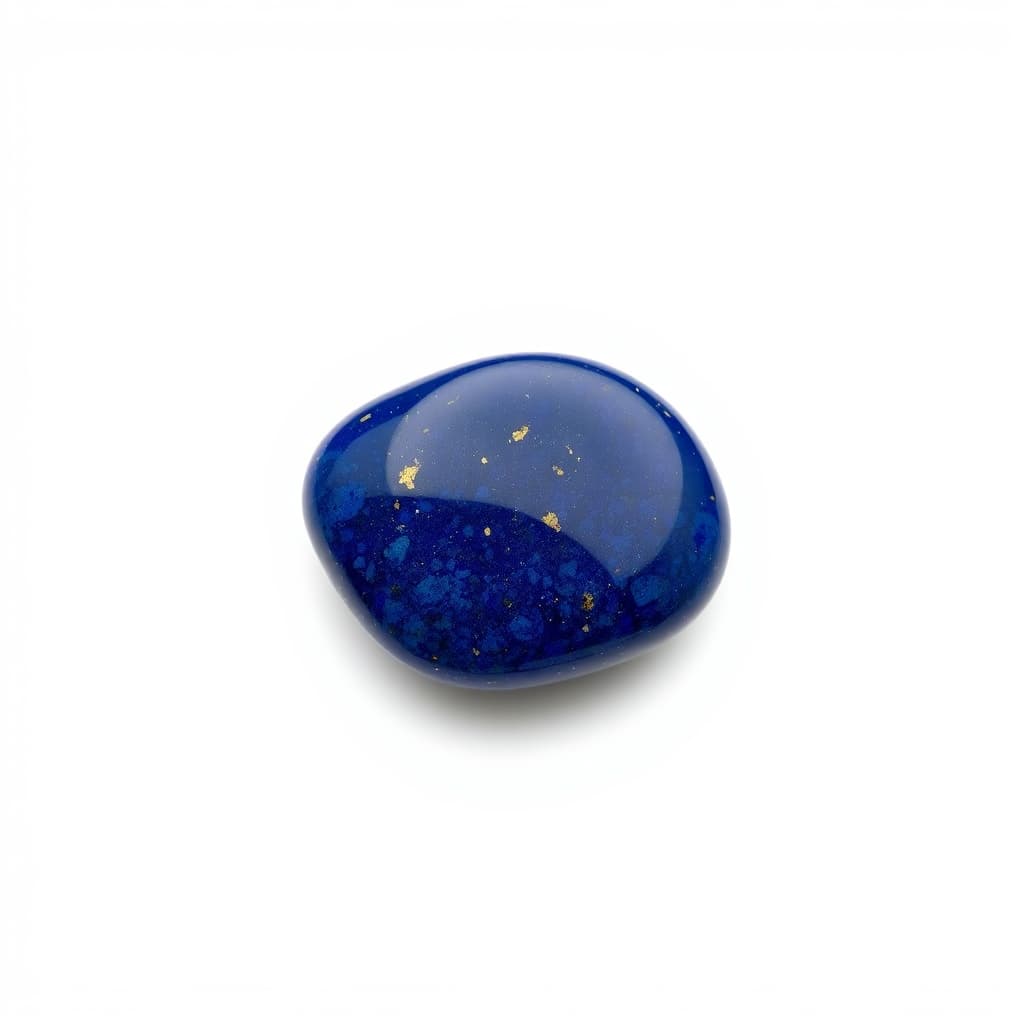
Lapis Lazuli, the Colour That Was Once Worth More Than Gold
Crushed, it was ultramarine, the most expensive pigment in the Renaissance. Worn, it was the stone of royalty across three thousand years. A careful look at what lapis actually is, where the real pieces come from, and how to read the pyrite.
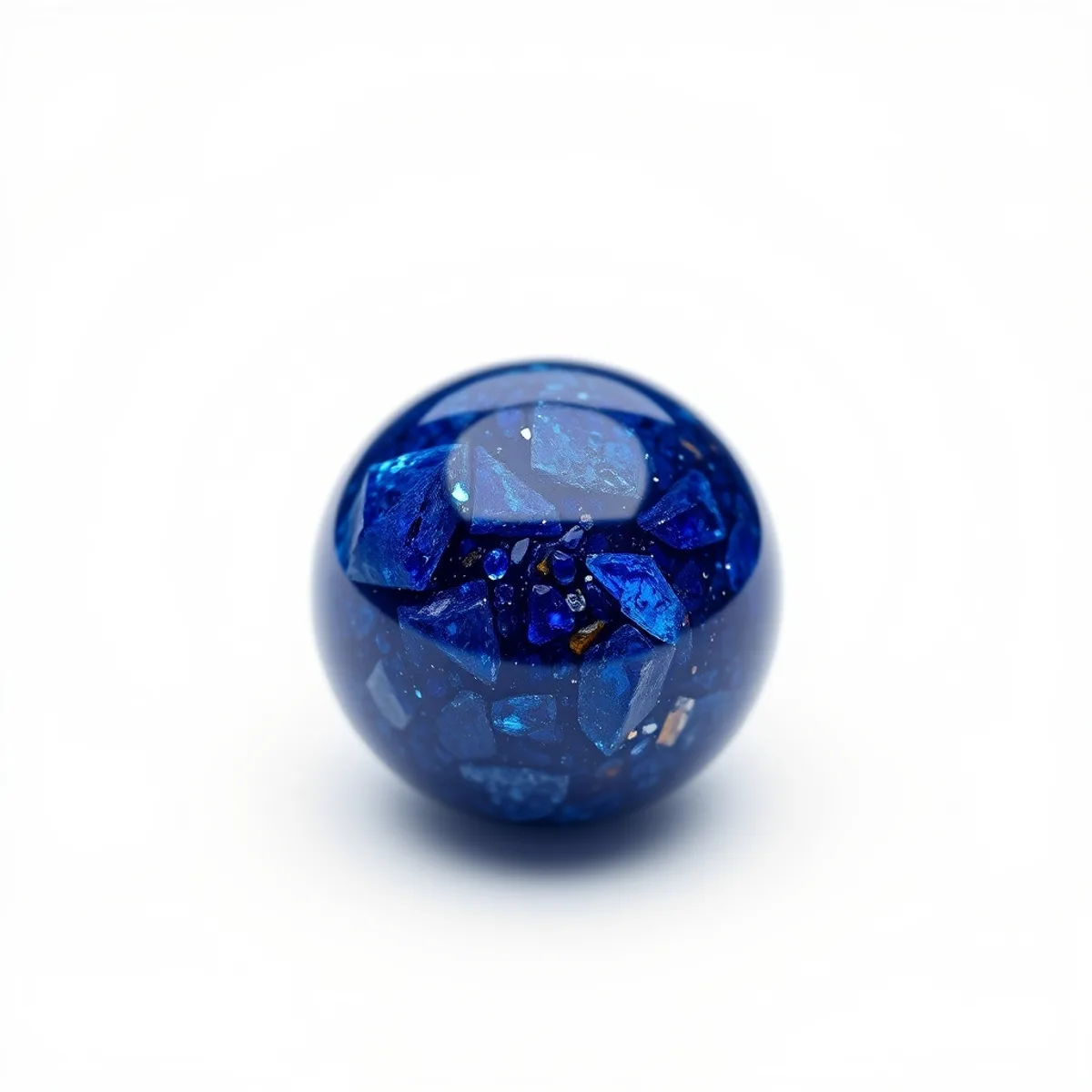
Sodalite, the Voice Stone
A deep blue sodium mineral often confused with lapis lazuli. Where it actually comes from, why it has been associated with clear speech, and how to tell it apart from the pricier stone it imitates.
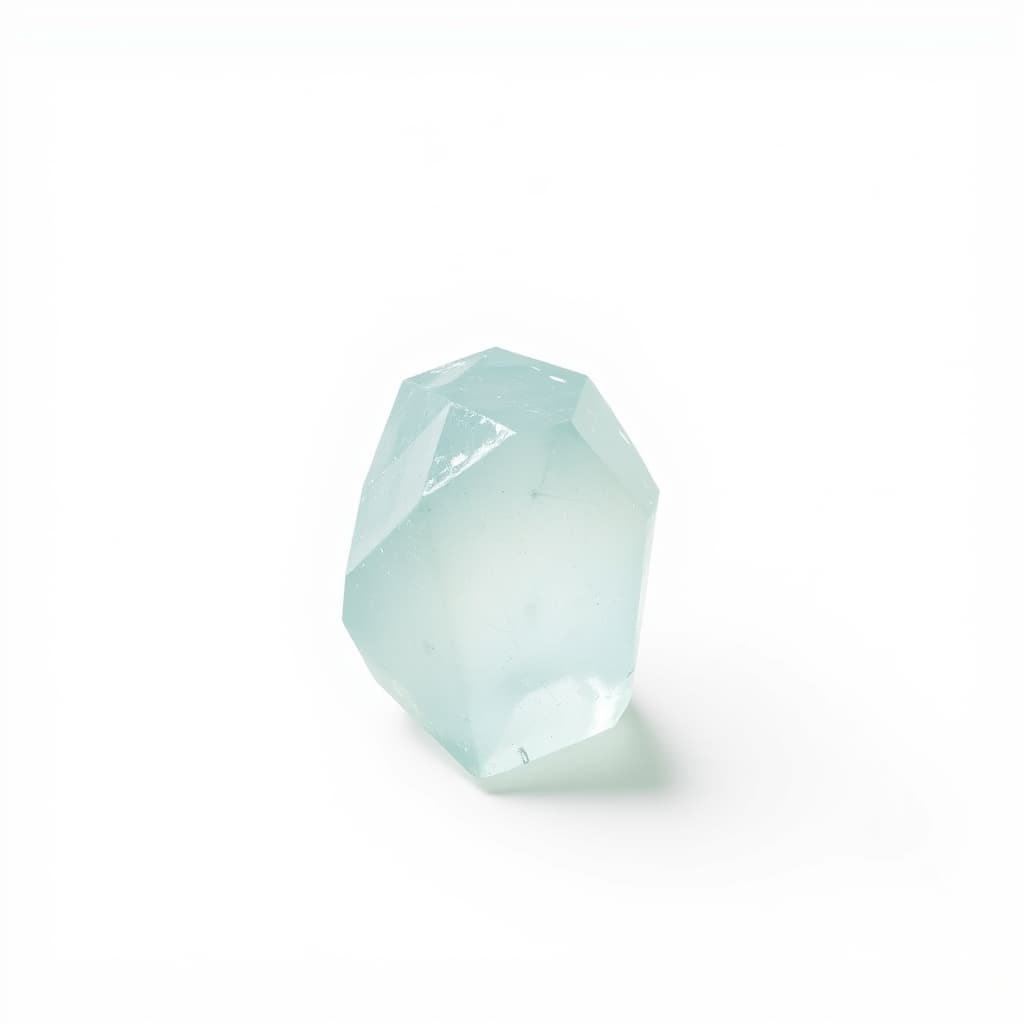
Aquamarine, the Stone Sailors Carried
Pale blue beryl, the same mineral family as emerald, carved into amulets by sailors who needed the sea to stay gentle. The mineralogy, the long maritime tradition, and why it reads as one of the calmest stones in daily wear.
Mentioned in
Sit with us on Sundays.
One quiet letter every week. New writing, a crystal to consider, and whatever we have been thinking about. No tracking pixels, no affiliate noise.
By subscribing you agree to receive weekly emails from AU Crystals. Unsubscribe anytime. See our privacy note.