
Summer Solstice Crystals, a Traditional Light Practice
The crystals associated with the longest day of the year across traditional practice, and a simple sunrise ritual that holds the quiet opposite meaning of the year's peak.
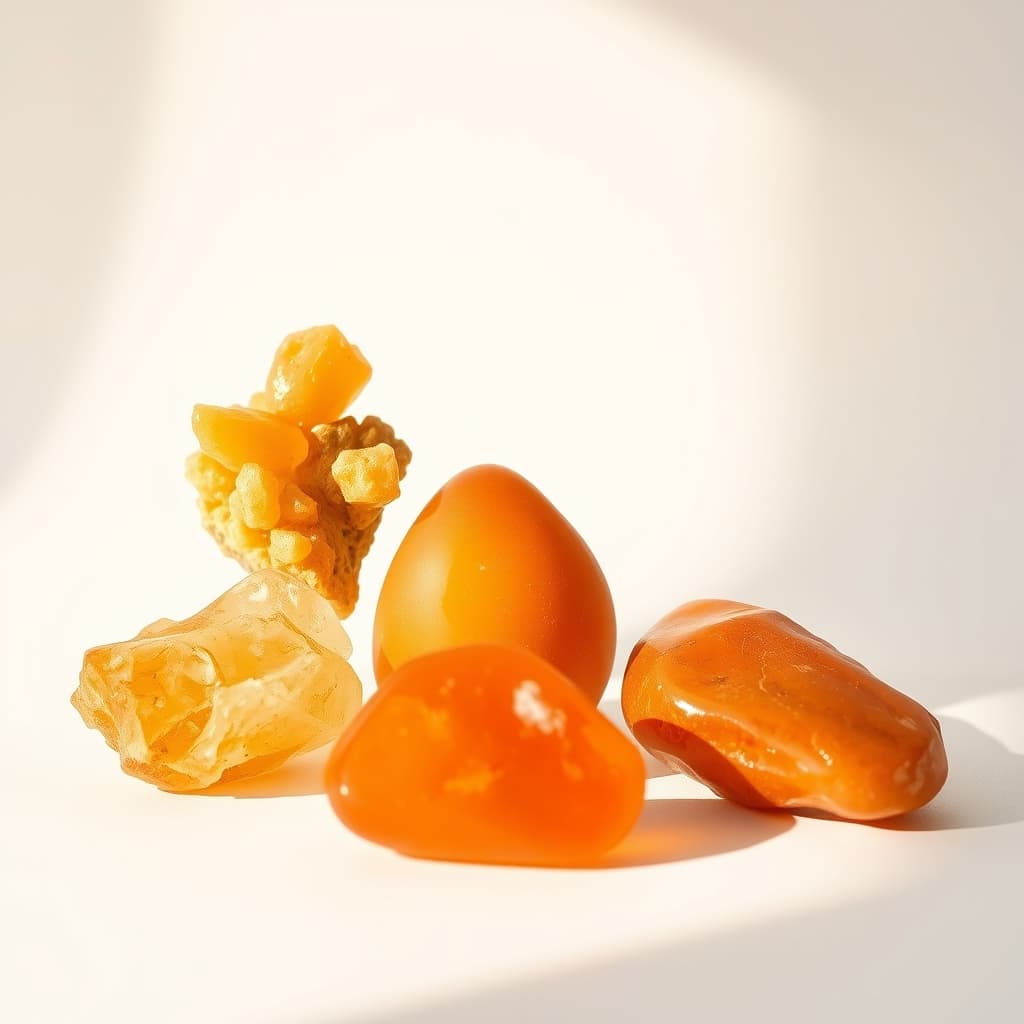
Quick facts11ShowHide
- ChakraSolar Plexus (Manipura), Sacral (Svadhisthana)
- Mohs hardnessn/a
- Mineral familySolar practice
- OriginVedic, Egyptian, Celtic, Indigenous
- ColourGold, amber, orange, red
- ElementFire
- ZodiacCancer (solstice sun), Leo (solar ruler)
- Sits well withSeasonal reflection, vitality practice
- Water safen/a
- Sun safen/a
- RarityUniversal
The summer solstice is the longest day of the year, the moment the sun reaches its highest point before beginning the slow descent toward winter. Nearly every culture with a solar tradition marked this day. The crystal practice associated with it is not primarily about celebration. It is about paying attention to the peak, knowing that the descent has already begun. This guide names the six crystals that show up consistently across traditional solstice sources and offers a simple sunrise ritual that fits the day.
What the solstice actually marks
In the Northern Hemisphere, the summer solstice falls around June 20 to 22. The sun rises at its furthest north, sets at its furthest north, and spends the longest arc of the year in the sky. In the Southern Hemisphere, the same happens around December 21 to 23. It is the geometric peak of the solar year.
Traditionally, the solstice has two meanings layered on top of each other. The obvious one is celebration: warmth, abundance, harvest just beginning. The quieter one is acknowledgment: from this day onward, the light begins to decrease. Every day after the solstice is shorter than the one before until the winter solstice reverses the pattern.
The best solstice practice sits in both meanings simultaneously. You acknowledge the peak and honour the turning.
The six traditional crystals
1. Citrine
Citrine is the classical solar plexus stone, paired with the sun across most solar traditions. Its golden colour and solar plexus association make it the first recommendation for solstice practice. A small polished piece on a windowsill during the three days around the solstice is the traditional placement.
2. Sunstone
Sunstone is named for the reason you would expect. Its copper-shimmer iridescence was traditionally said to hold a fragment of sunlight itself. Norse tradition used sunstone for navigation and as a solar talisman. It is one of the most directly solar of all crystals.
3. Carnelian
Carnelian carries the sacral courage tradition. It belongs in solstice practice because the peak of the year is traditionally the start of the active season of work, and carnelian supports the sustained effort that summer projects require.
4. Tiger's eye
Tiger's eye is included for its discernment tradition. Solstice energy is intense, and the stone tempers the tendency toward excess that high-energy phases can bring. A good counterweight to the fiery companions.
5. Amber (when included)
Amber is not technically a crystal (it is fossilised tree resin) but it often appears in solstice sources because its golden warmth carries specific sun symbolism. Baltic amber has documented use in European solstice tradition going back two thousand years.
6. Clear quartz
Clear quartz is here as the universal amplifier. It carries the intention of the solstice practice without adding a competing symbolic layer. Use a small tumbled piece or a point alongside one of the fiery stones.
A simple sunrise ritual
What follows is a compact solstice practice, done at sunrise on the day of the solstice or one of the two days adjacent.
Step 1. Rise early
Wake before the sun does. This is the only demanding part of the practice. Everything else is quiet.
Find a window facing east, or step outside where you can see the horizon. Bring one or two of the solstice crystals with you. Citrine alone is enough if that is what you have.
Step 2. Witness the sunrise
Hold the crystals in your cupped hands. Watch the sun rise.
Do not attempt to achieve anything during this. The whole practice is sitting with the moment of the year's peak. Let the light hit you. Let the crystals warm slightly in your hands from the sun. That is it.
Step 3. Speak the acknowledgment
When the sun has cleared the horizon, say aloud, softly: Today is the longest day. From tomorrow, the light begins its turn.
This single sentence is the traditional solstice acknowledgment across several European folk sources. It marks the peak without celebrating it naively. You notice the turning that has already begun.
Step 4. Close
Bring the crystals inside. Place them somewhere they will catch sun during the day. Leave them out in direct sunlight for the full day of the solstice, the only crystal ritual that specifically invites extended sun exposure.
In the evening, bring them in. The ritual is complete.
Seasonal use beyond the day itself
The solstice is a single day, but the summer season carries its own crystal pairings. Four quiet practices for the months after.
Carnelian in the morning, amethyst at night. The classic summer pairing. Carnelian anchors the start of the day. Amethyst settles the mind before sleep, particularly useful during summer when daylight stays late.
Citrine on a work desk. Summer is traditionally the productive season. Citrine on a desk supports sustained focus during the hot months.
Sunstone in a pocket when travelling. Summer travel benefits from the Norse tradition of sunstone as a travel companion.
Tiger's eye during heat waves. The discernment stone helps avoid heat-related rash decisions. Keep a tumbled piece nearby during particularly hot weeks.
What to avoid
Three easy mistakes that dilute the solstice practice.
Treating it as purely celebratory. The classical tradition holds both the peak and the turning. A practice that only celebrates the peak misses the quieter half of the day's meaning.
Overcrowding the ritual. One or two crystals is enough. The solstice is not a time for complex ceremony. It is a time for a single quiet moment at sunrise.
Forgetting the descent. The solstice is the peak. Every day after is shorter. Letting this land in the ritual is part of what makes it feel real. It is not a sad acknowledgment, just an honest one.
A closing thought
The summer solstice has been marked by humans for at least five thousand years across cultures that never met each other. Standing at sunrise for twenty minutes, holding a small citrine, is continuous with that lineage in a simple way. You do not need to do more than that. Next year you will do it again, and the quiet repetition is what makes it a practice rather than an event.
For related practices, see our full moon ritual guide. For a deeper look at the stones named here, start with citrine and sunstone.
Want a piece from this guide?
Until our shop is live, we hand-arrange orders through Instagram. Tap to ask what is currently available.
Preview the message
Hi AU Crystals,

I was reading your Summer Solstice Crystals, a Traditional Light Practice page (aucrystals.com/blog/summer-solstice-crystals).

I wanted to ask about the stones in this guide.
A starter message gets copied to your clipboard. Paste it into the DM on Instagram.
A few honest questions.
When does the summer solstice happen?
In the Northern Hemisphere, around June 20 to 22 each year. In the Southern Hemisphere, around December 21 to 23. The exact time shifts slightly with the Earth orbit. It is the longest day and shortest night of the year.
Is the solstice only a Pagan observance?
No. Solstice observance appears across almost every culture with solar tradition, from Vedic and Buddhist to Egyptian and Mesoamerican. It predates any specific modern religious framing. The practice in this guide draws from common elements across traditions.
What is the difference between solstice and equinox?
Solstices are the longest and shortest days (summer and winter). Equinoxes are the days when day and night are equal length (spring and autumn). Each has its own traditional crystals and rituals.
Should I do a sunrise or sunset ritual?
Sunrise is traditional for the summer solstice because it marks the longest day beginning. Sunset marks the turn toward shorter days, which also has meaning. Both are valid. If you only do one, sunrise is the classical choice.
Keep reading.
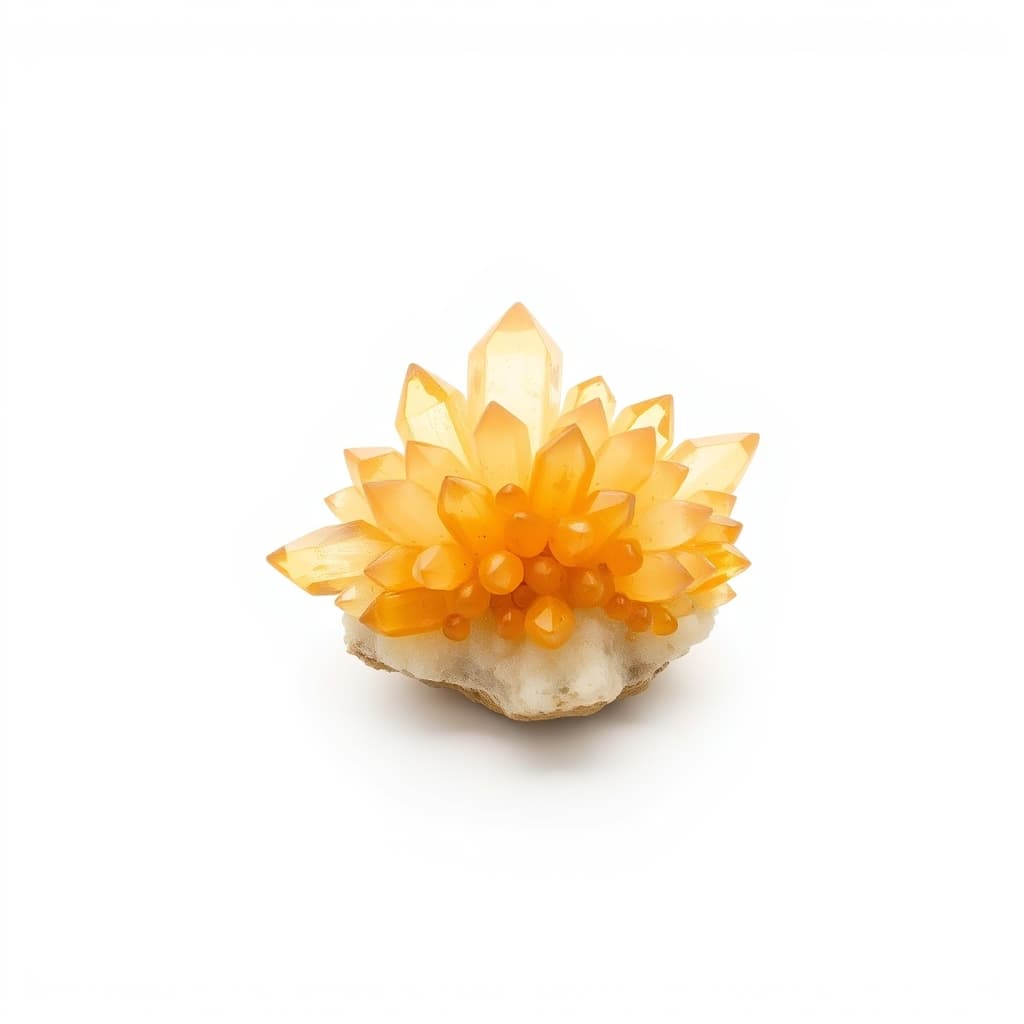
Citrine, and the Quiet Trouble With Most of What You Buy
Real citrine is one of the rarer quartz varieties. Most of what sells under the name is heat treated amethyst. Here is how to tell the difference, why it matters, and what the stone traditionally stood for before any of that got complicated.
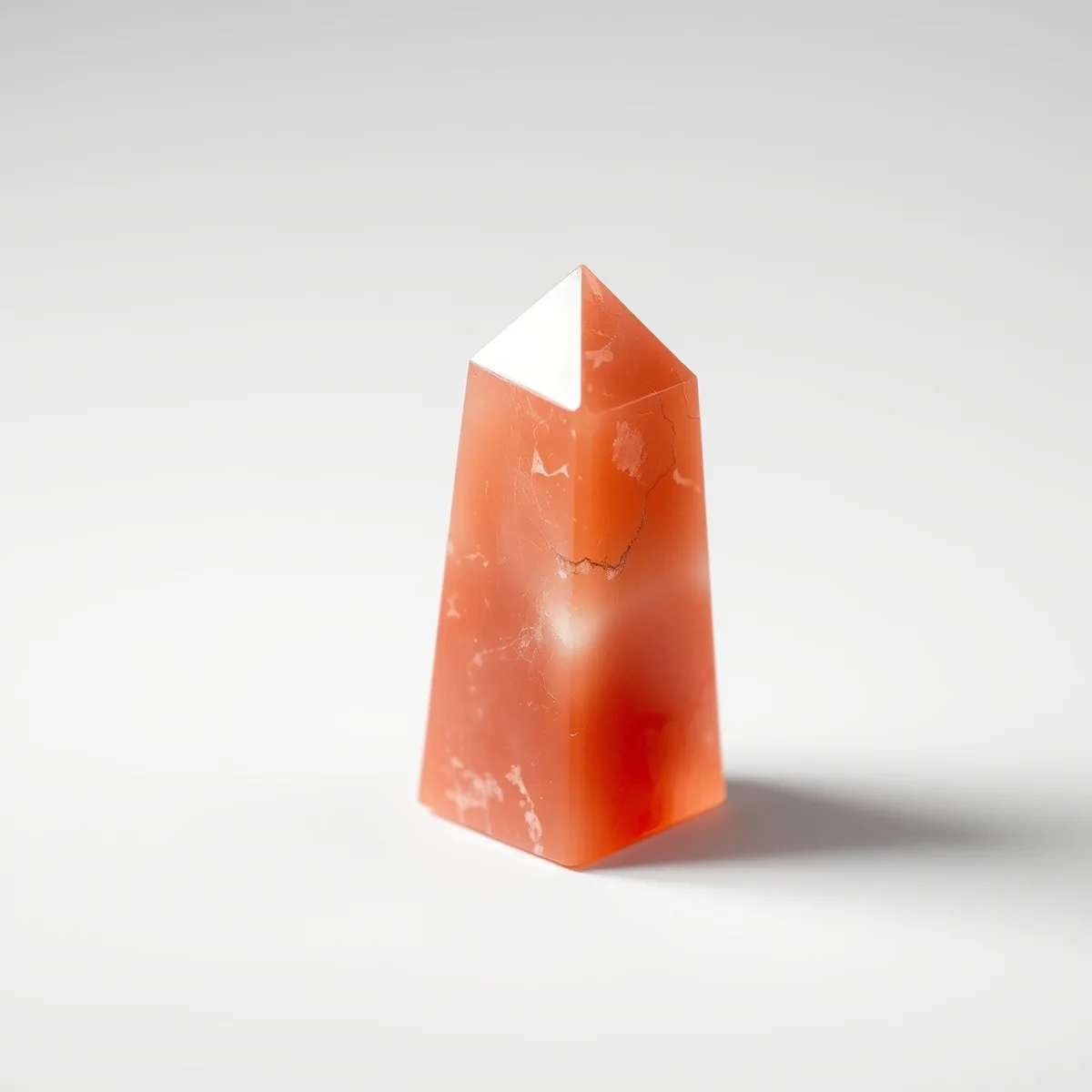
Carnelian, the Warm Stone That Gets You Moving
Red orange chalcedony that shows up on ancient jewelry, Roman signet rings, and Egyptian burial goods. Why the stone has been associated with courage for three thousand years, and what the heat treatment question means for modern buyers.
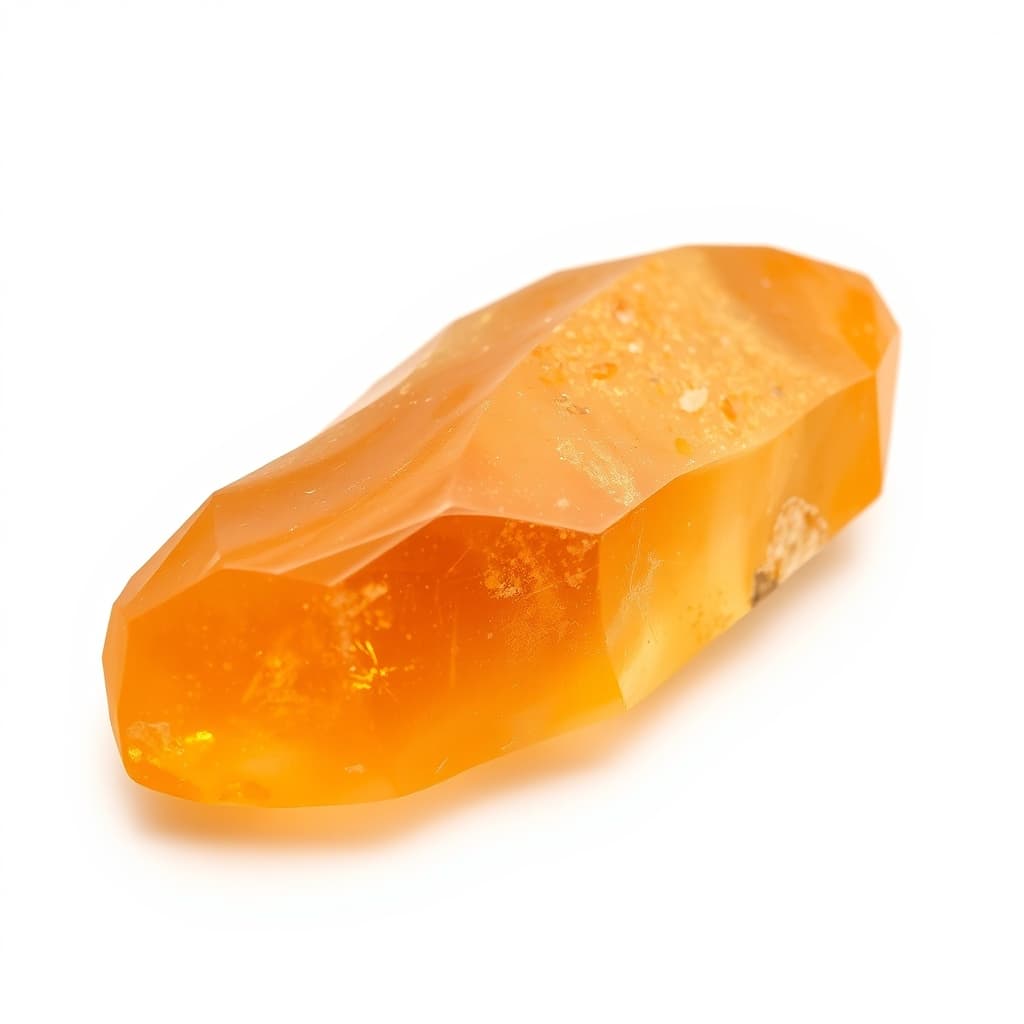
Sunstone, the Stone That Holds a Fragment of Sunlight
A copper-shimmer feldspar that has been worn as a solar talisman for two thousand years. The mineralogy behind the aventurescence, the Norse navigation tradition, and honest advice on telling natural sunstone from goldstone imitations.
Mentioned in
Sit with us on Sundays.
One quiet letter every week. New writing, a crystal to consider, and whatever we have been thinking about. No tracking pixels, no affiliate noise.
By subscribing you agree to receive weekly emails from AU Crystals. Unsubscribe anytime. See our privacy note.