
Jade.
Two distinct minerals, nephrite and jadeite, sold under one name
A green stone that is actually two minerals carrying three thousand years of continuous Chinese, Mesoamerican, and Maori tradition.
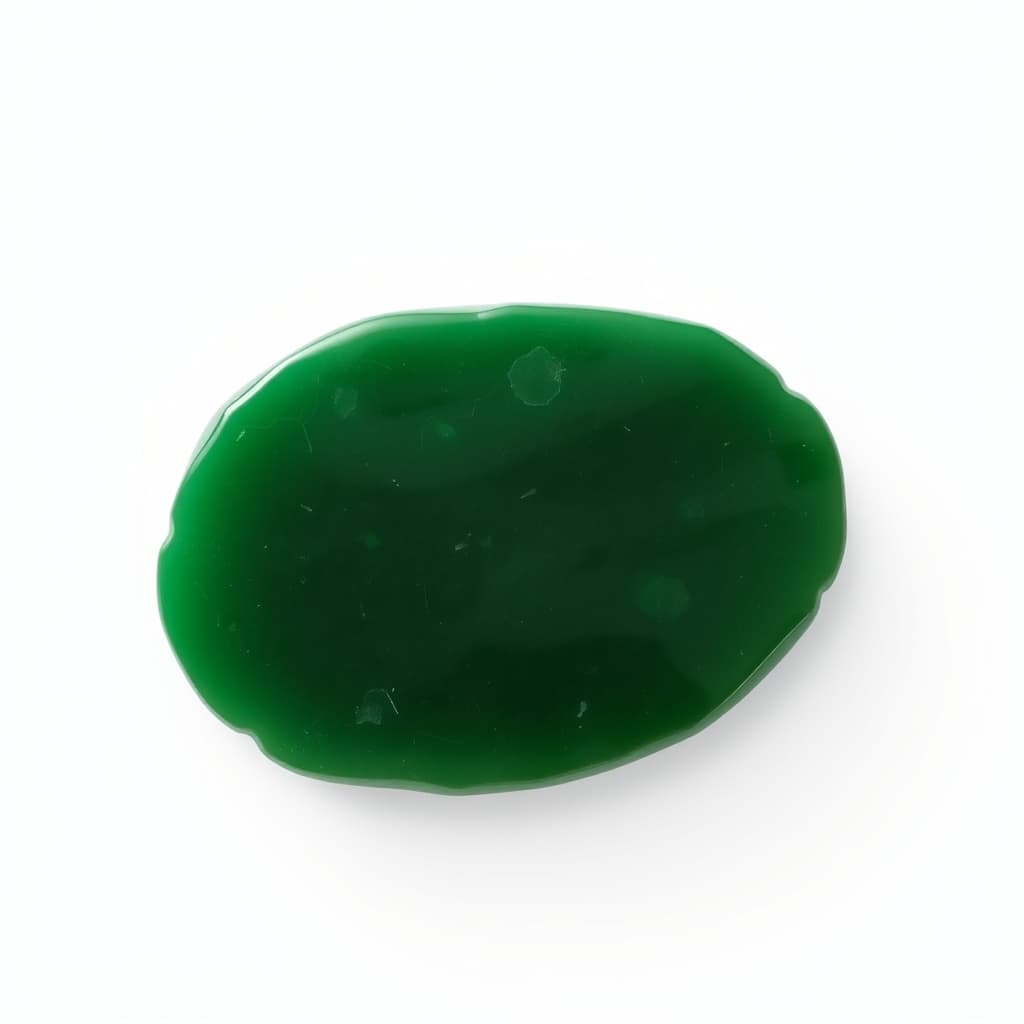
Quick facts11ShowHide
- ChakraHeart (Anahata)
- Mohs hardness6 to 7
- Mineral familyTwo distinct minerals (silicate)
- OriginMyanmar (jadeite), China, New Zealand, Guatemala (jadeite), Russia
- ColourPale to deep green, also white, lavender, yellow, black
- ElementEarth
- ZodiacTaurus, Libra, Pisces
- Sits well withLong cultivation, virtue, steady wisdom
- Water safeYes
- Sun safeYes
- RarityFine imperial jadeite very rare, common nephrite abundant
Hand-picked jade pieces are coming soon.
Until our shop is live, every order is hand-arranged through Instagram. Send a note, we will reply with what is currently in studio.
By subscribing you agree to receive weekly emails from AU Crystals. Unsubscribe anytime. See our privacy note.
Jade is two minerals sharing one name. Nephrite is a fibrous calcium magnesium silicate of the amphibole group, and jadeite is a pyroxene of similar appearance but distinct chemistry and crystal structure. The two were not properly distinguished by Western mineralogy until 1863, by which point both had carried thousands of years of artistic tradition under the single name. Nephrite is slightly softer and tougher (its interlocking fibres make it remarkably resistant to breakage), while fine imperial jadeite from Myanmar can take a saturated emerald-green colour that nephrite never reaches.
The Chinese tradition of jade is the deepest, with continuous use in ritual, ornament, and burial from the Neolithic Hongshan culture forward. The Confucian list of jade's eleven virtues (warmth as benevolence, smoothness as wisdom, sound as music, and so on) shaped not only the stone's symbolism but the very word for jade in classical Chinese aesthetics. Mesoamerican jadeite, mostly from the Motagua valley in Guatemala, carried equivalent ritual weight in Olmec and Maya cultures, and Maori pounamu (New Zealand nephrite) remains taonga, treasured ancestral material, in modern Maori tradition.
In contemporary crystal practice jade sits with the heart chakra and reads as a stone of patient cultivation rather than fast catharsis. The piece is for the long virtues: steadiness, fairness, wisdom that ripens. The market includes many imitations, from dyed quartz to glass to lower-grade serpentine sold as new jade, so honest sellers and clear treatment disclosure matter.
Pairs well with.
See all pairings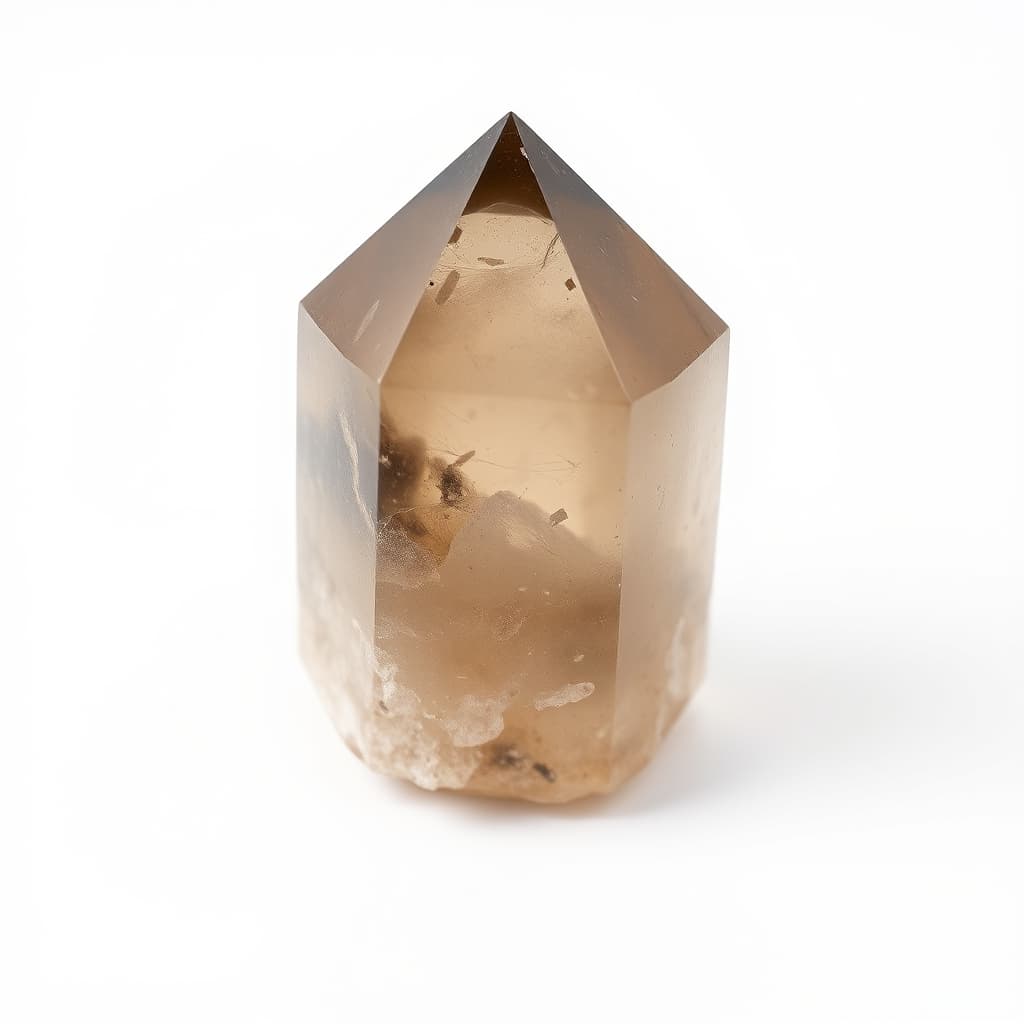
Smoky Quartz
A brown-grey quartz formed by natural radiation over geological time, traditionally a quiet grounding stone and the national gem of Scotland.
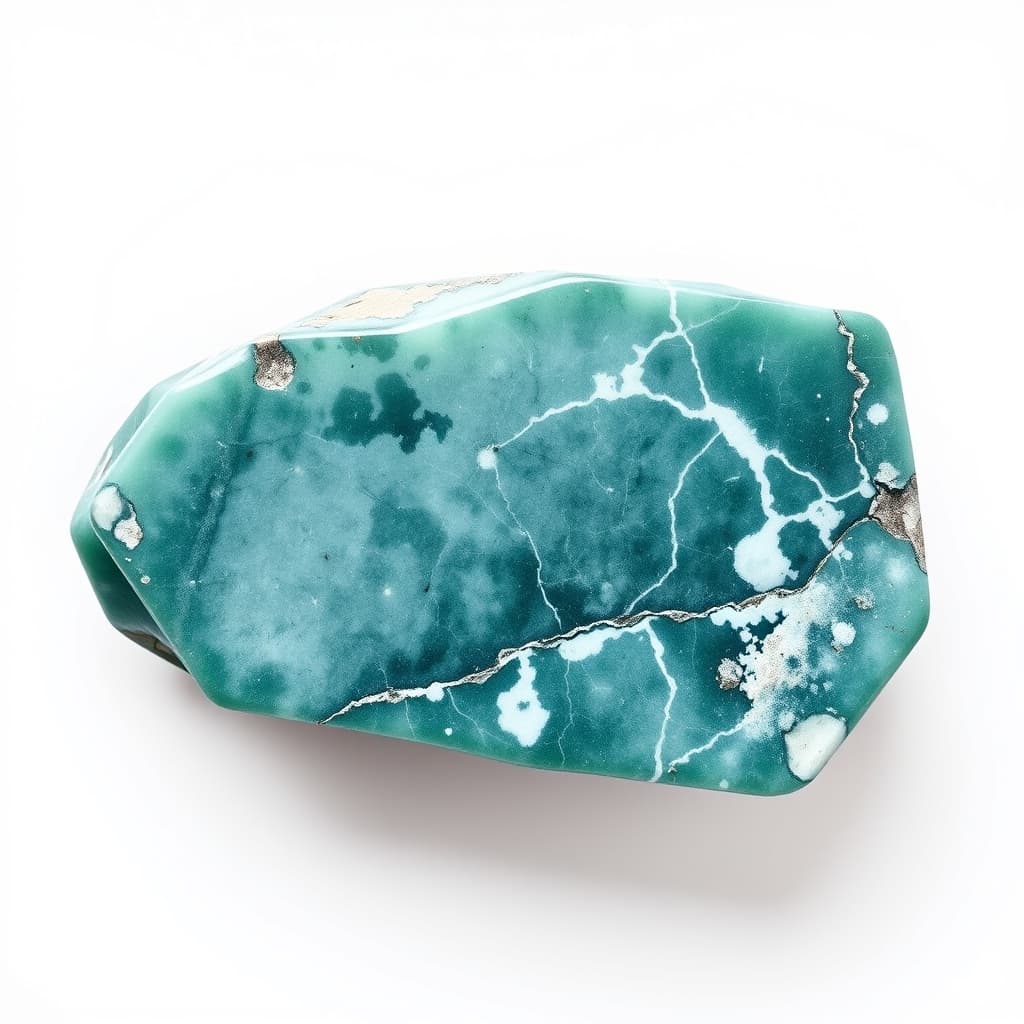
Amazonite
A teal-green feldspar paired with the throat chakra and the kind of conversation that needs both honesty and gentleness.
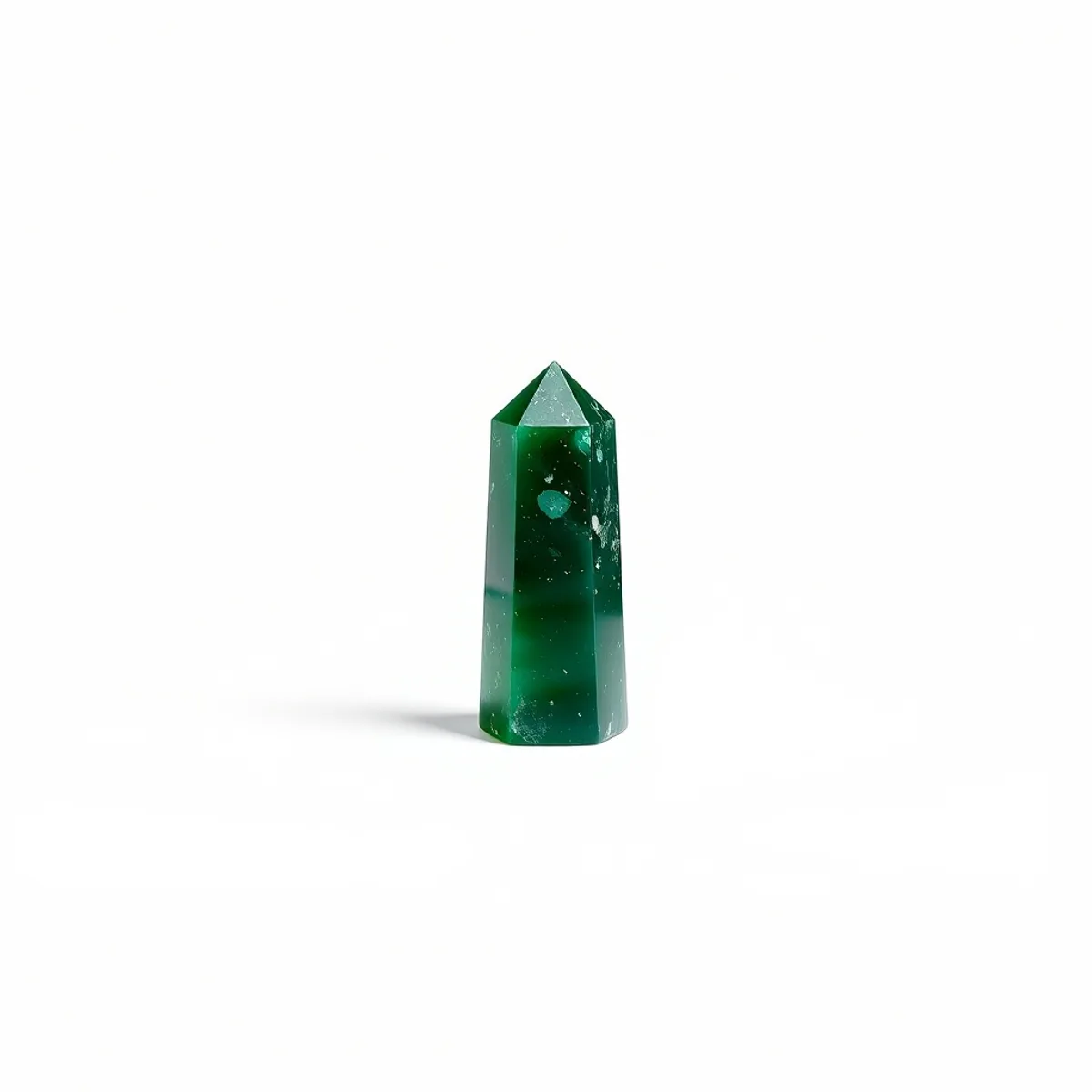
Bloodstone
A deep green chalcedony flecked with red, carried into Roman battlefields and medieval reliquaries as a soldier's stone of endurance.
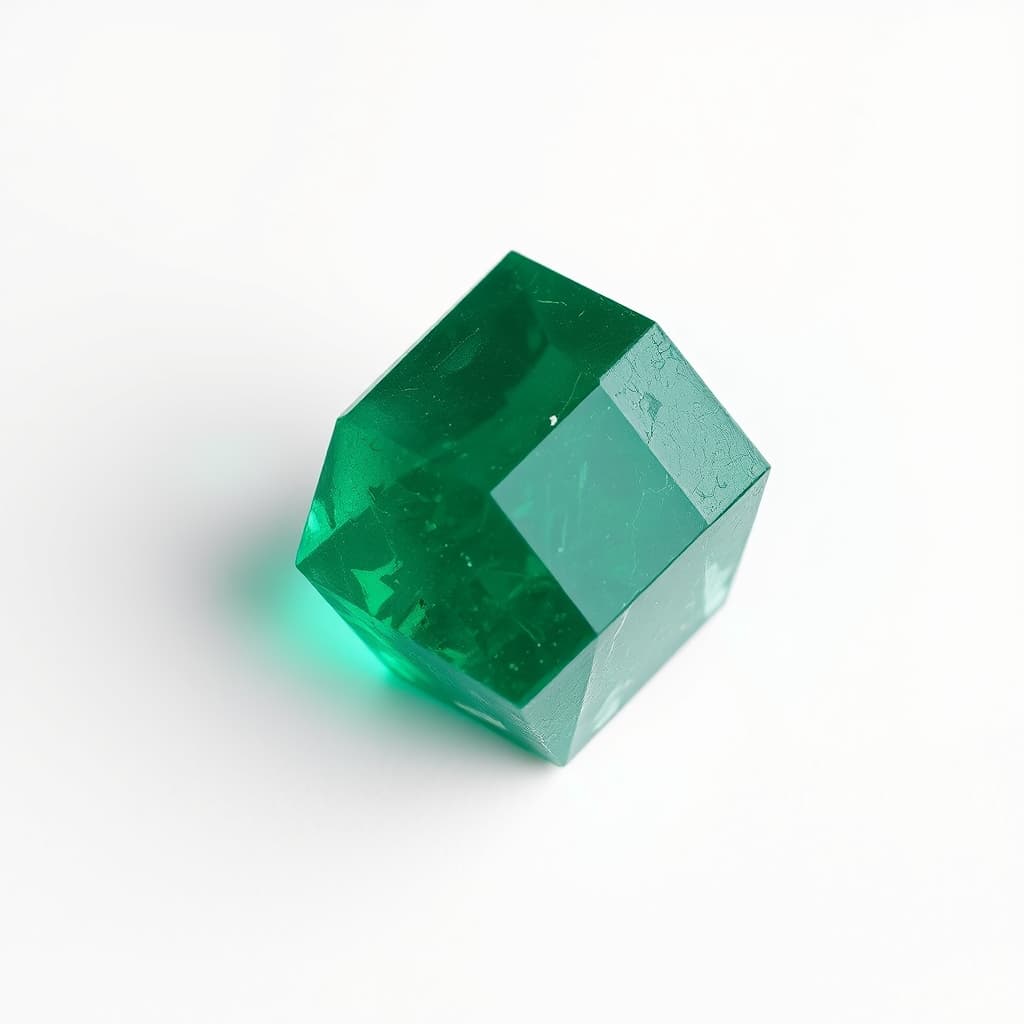
Emerald
The green variety of beryl, traditionally the May birthstone and one of the oldest stones associated with the heart.