
Crystals for Abundance, a Considered Practice
The traditional abundance stones, what the word actually meant in older practice before contemporary wealth marketing attached to it, and how to work with them slowly. Written for people who want a real practice.
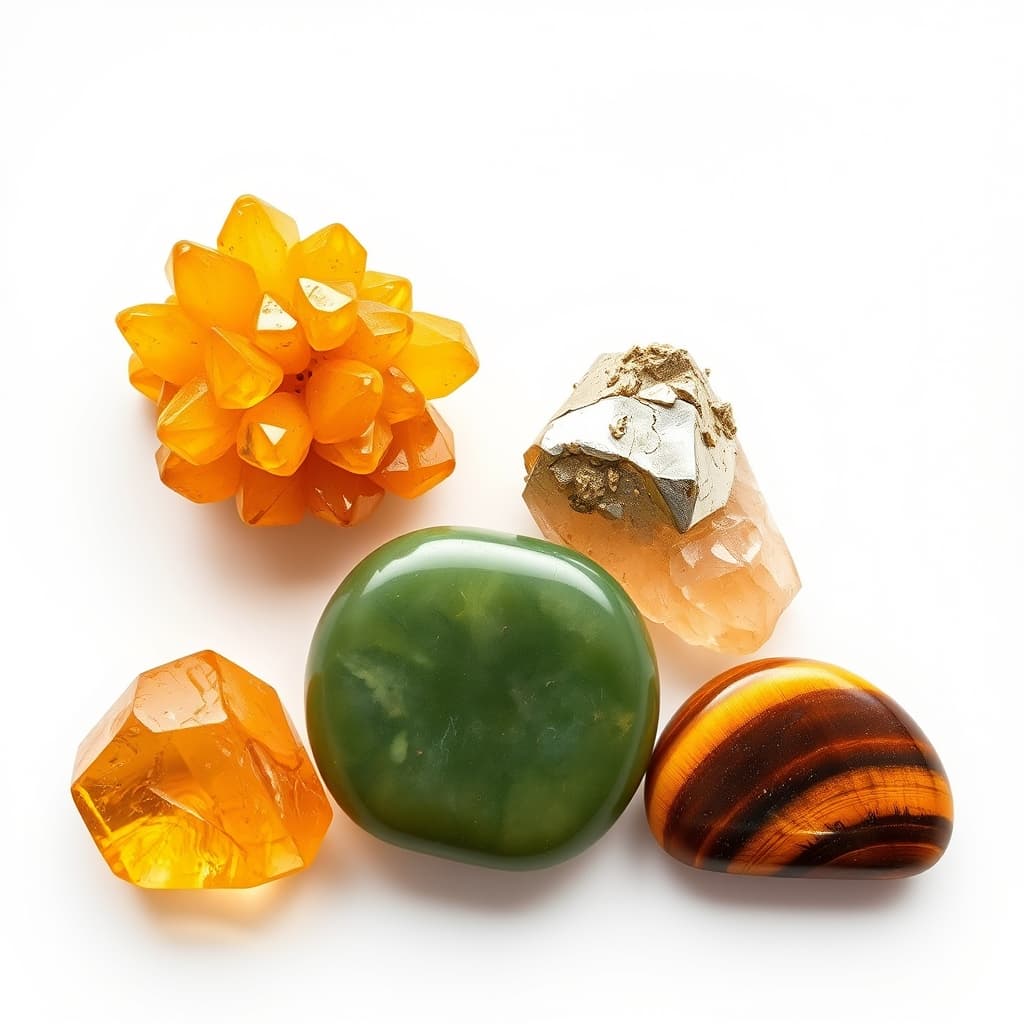
Quick facts11ShowHide
- ChakraSolar Plexus (Manipura), Heart (Anahata)
- Mohs hardnessn/a
- Mineral familyAbundance practice
- OriginVedic, Chinese, European folk
- ColourGold, green, yellow
- ElementEarth, Fire
- ZodiacTaurus, Leo, Virgo
- Sits well withSustained prosperity practice, gratitude work
- Water safen/a
- Sun safen/a
- RarityPractice
Abundance is one of the words that has changed meaning most dramatically in the past two decades. In traditional practice, abundance described a state of sufficient relationship to resources (material, relational, internal) rather than a quantity of money or possessions. Contemporary wellness marketing has reduced it to "wealth manifestation." This guide returns to the older meaning, names the six stones that consistently appear across traditional abundance sources, and gives a considered practice rather than a lucky-charm framing.
What abundance actually meant
The Latin root abundare means to overflow. In classical sources, abundance described fullness: a good harvest, a household that had enough to share, a person who felt internally nourished. It was always relational and qualitative, not purely quantitative.
Three specific qualities older traditions associated with abundance:
- Sufficiency. The sense of having enough, even when the external quantity is modest.
- Flourishing. Active growth and vitality, not just stability.
- Right relationship. A balanced stance toward resources: neither hoarding nor squandering, neither anxious clinging nor indifferent neglect.
This is the version the traditional stones were paired with. A crystal for abundance traditionally supports the internal state; it is not a charm that produces external outcomes directly.
The six traditional crystals
1. Citrine
Citrine is the single most consistent abundance stone across traditions. Vedic, Chinese, and European folk practice all pair citrine with solar plexus prosperity work. The golden colour carries the sun and fire-element association; the solar plexus location in the body is the seat of embodied confidence.
How to use: a small polished piece on a workspace where financial decisions are made, or in a small bowl on a kitchen shelf (the traditional European placement for household abundance).
2. Pyrite
Pyrite is the folk prosperity stone in English-speaking tradition, named "fool's gold" for its metallic lustre. Its symbolism is about the tangible, material aspect of abundance; the stone that looks like wealth.
How to use: at the corner of a desk, in a small bowl near where business or financial planning happens, or on a shelf in a home office.
3. Green aventurine
Green aventurine is the traditional luck stone in British and North American folk practice, specifically for the growth aspect of abundance. Its gentle green colour pairs with both the heart chakra and the earth element.
How to use: in a pocket during interviews or negotiations, or on a desk during planning sessions.
4. Jade
Jade (particularly green nephrite or jadeite) is the classical Chinese abundance stone, carrying three millennia of continuous use. In traditional Chinese practice, jade symbolises long-term prosperity specifically tied to cultivation of virtue, which is closer to the older meaning of abundance than contemporary wealth-attraction framing.
How to use: worn as a pendant, placed on a mantel, or kept as a small carved figure on a desk. The traditional Chinese practice involves passing jade through family lines, which itself carries abundance symbolism.
5. Clear quartz
Clear quartz is the universal amplifier. Paired with any of the above four, it supports the specific intention without adding a competing symbolic layer. Particularly useful when the abundance work involves multiple domains simultaneously.
How to use: a small point alongside the primary abundance stone, usually placed together.
6. Tiger's eye
Tiger's eye is included for the discernment aspect of abundance work. Prosperity traditions warn against the impulsive decisions that tight financial periods produce. Tiger's eye supports the pause-before-decision quality that long-term abundance practice requires.
How to use: in a pocket during meetings about money, or on a desk during tax preparation or financial planning sessions.
A simple daily practice
What follows is a compact abundance practice drawn from the traditional lineages.
Step 1: the morning anchor
Each morning, hold your chosen crystal for thirty seconds.
While holding it, speak one gratitude aloud (one specific thing you currently have, not a general abstraction). I am grateful for the roof over me this morning. Or I am grateful for the quiet of this kitchen.
This is the classical gratitude anchor across traditions. Abundance practice traditionally begins with noticing what is already present.
Step 2: the evening review
Each evening, hold the crystal again. Review whether you took one small abundance-aligned action during the day. An email sent, a conversation initiated, a decision made. One small thing is enough.
If you did, note it silently. If you did not, note that too, without judgment.
Step 3: the weekly pause
Once a week, sit with the crystal for five minutes and review the week's actions. Notice the pattern. Notice what you are aligned with, what you are avoiding, and what has shifted.
This is the whole practice. Morning anchor, evening review, weekly pause. It takes less than two minutes most days, and over thirty days it accumulates into something like the older meaning of abundance: sustained attention producing sustained action producing flourishing.
What to avoid
Four common traps in abundance practice.
Treating the crystal as a battery. The crystal is a focal object, not a power source. It supports attention; it does not produce outcomes on its own.
Visualising outcomes without aligned action. Traditional manifestation is the pair of attention and action. Visualising a lifestyle while doing nothing is wishful thinking, not practice.
Narrow monetary framing. If abundance means only money to you, the practice stays shallow. The traditional reading is wider: relational abundance, health abundance, time abundance, creative abundance. Money is one dimension, not the whole.
Shame during scarcity phases. Financial tightness is not evidence of failed practice. Traditional sources are explicit: practice is continuous across both full and lean phases, and the lean phases often teach the most about what abundance actually means.
Pairings
Three traditional abundance pairings worth knowing.
- Citrine and pyrite. The classical solar-plexus prosperity pair. Solar warmth plus tangible form.
- Green aventurine and jade. The growth-and-cultivation pair, from English folk and Chinese traditions respectively. Softer than the solar pair.
- Citrine and tiger's eye. Prosperity with discernment. The traditional pairing for people whose tight-period decisions have hurt them before.
A closing thought
Abundance done slowly is a reliable practice. Done quickly, it is lottery-ticket thinking. The crystals in this guide support the slow version. One stone, one specific intention, a morning and evening anchor, sustained for thirty days at minimum. That is the traditional practice, and it produces results because the crystal becomes a physical marker of the attention that is doing the actual work.
For the stones themselves, see citrine, pyrite, and green aventurine. For the broader intention framework, see our manifestation guide.
Want a piece from this guide?
Until our shop is live, we hand-arrange orders through Instagram. Tap to ask what is currently available.
Preview the message
Hi AU Crystals,

I was reading your Crystals for Abundance, a Considered Practice page (aucrystals.com/blog/crystals-for-abundance).

I wanted to ask about the stones in this guide.
A starter message gets copied to your clipboard. Paste it into the DM on Instagram.
A few honest questions.
Does a crystal on my desk actually bring money?
No. No crystal causes external financial events directly. What the tradition says they support is your own attention to opportunity, steadiness during scarcity fear, and willingness to take aligned action. That combination sometimes leads to financial outcomes, but the stone is not the cause; it is a support for the practice that is the cause.
What is the difference between abundance and wealth?
Wealth is quantitative (how much money or material possession). Abundance in the traditional reading is qualitative (a sense of sufficiency, flourishing, and right relationship to whatever resources are present). You can have wealth without abundance (insecurity, hoarding). You can have abundance without extraordinary wealth (contentment, generosity in modest circumstances). Traditional practice targets the qualitative version.
Which stone should I buy first?
Citrine. It is the traditional solar-plexus abundance stone across almost every lineage that mentions the concept, widely available, and affordable. A small polished piece on your desk is the classical starting placement.
Is it disrespectful to use crystals for money?
Not inherently. Traditional practice across several cultures explicitly includes material flourishing as part of the abundance work. The issue is framing. Using a stone as a lucky charm that you ignore between moments of financial stress is shallow. Using a stone as a daily anchor for sustained intention and aligned action is the older practice.
Keep reading.
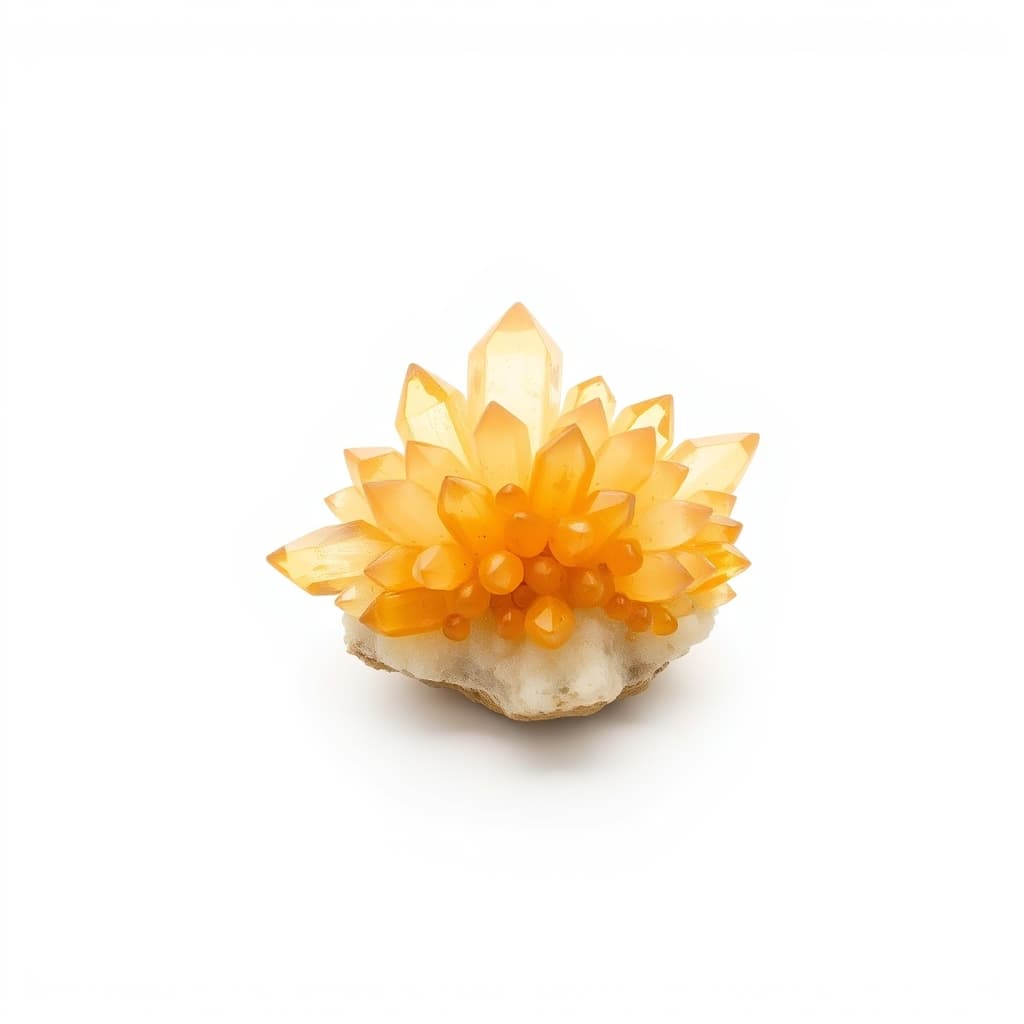
Citrine, and the Quiet Trouble With Most of What You Buy
Real citrine is one of the rarer quartz varieties. Most of what sells under the name is heat treated amethyst. Here is how to tell the difference, why it matters, and what the stone traditionally stood for before any of that got complicated.
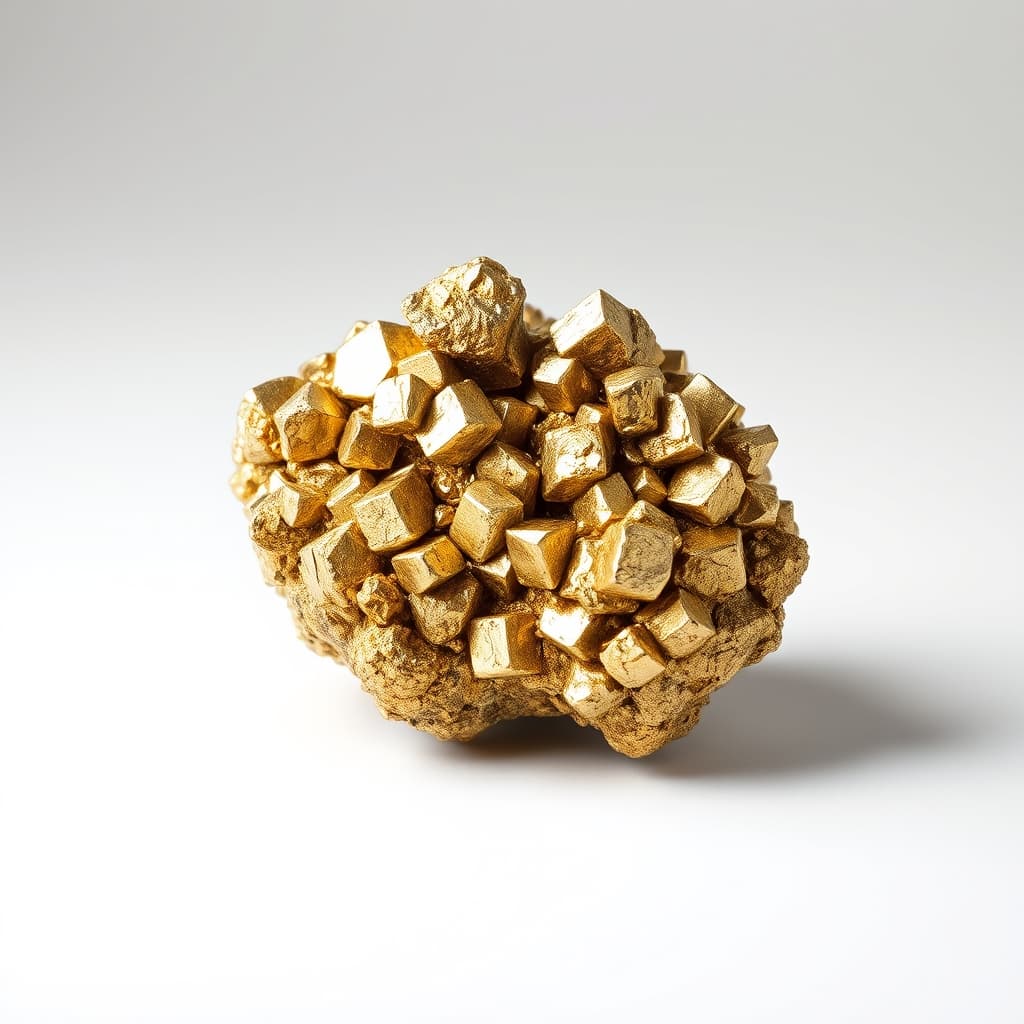
Pyrite, Fool's Gold, Quietly
Iron sulfide in natural cubes that fooled miners for centuries. The chemistry, the one medical concern nobody mentions, and why the abundance stone marketing is mostly fiction even when the stone itself is lovely.
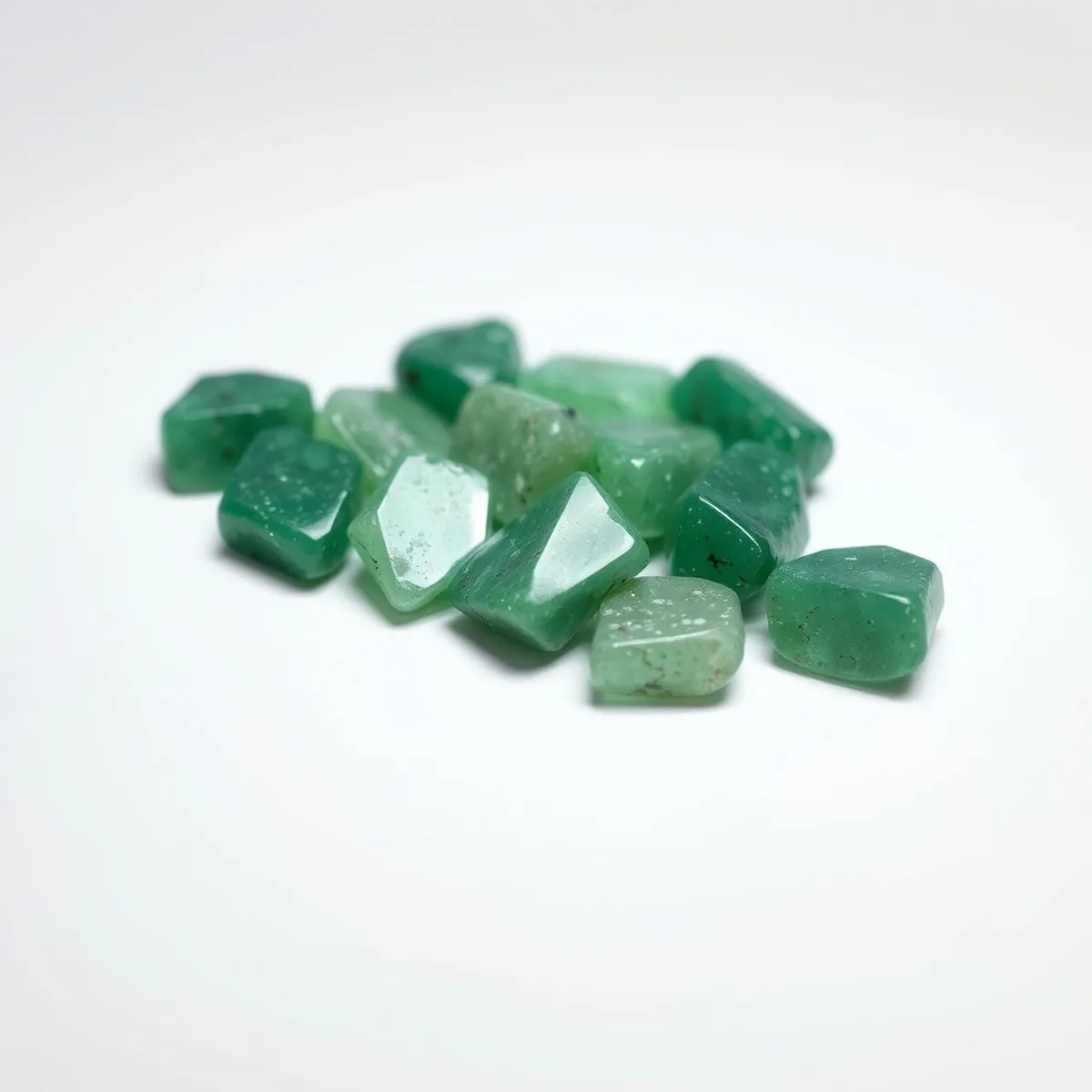
Green Aventurine, the Gentle Lucky Stone
The stone most commonly gifted for new beginnings. Where the sparkle comes from, why it has kept its association with luck for centuries, and why we are cautious about how luck gets marketed.
Mentioned in
Sit with us on Sundays.
One quiet letter every week. New writing, a crystal to consider, and whatever we have been thinking about. No tracking pixels, no affiliate noise.
By subscribing you agree to receive weekly emails from AU Crystals. Unsubscribe anytime. See our privacy note.