
Tiger's Eye.
Quartz pseudomorph after crocidolite (silicified asbestiform amphibole)
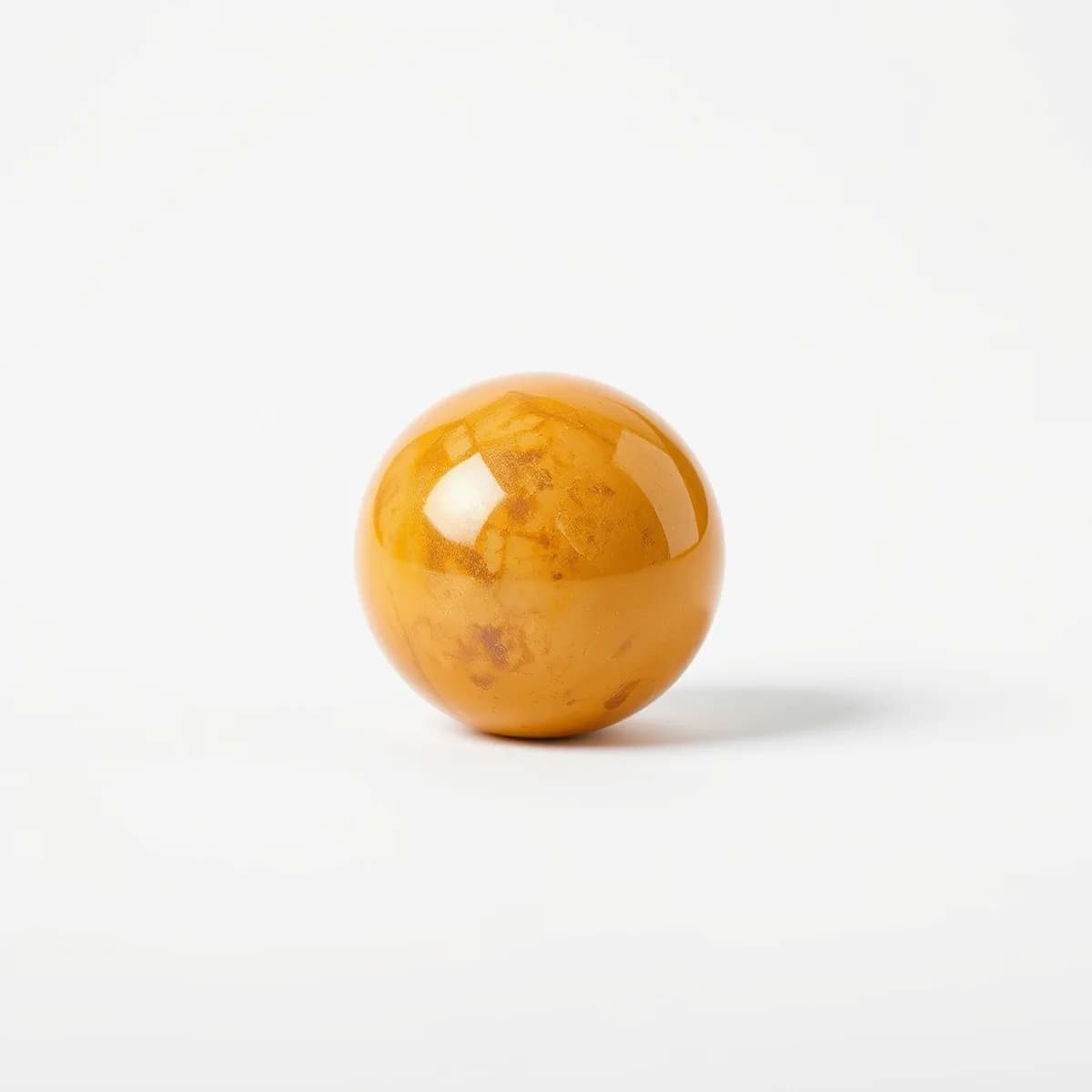
A striped, chatoyant quartz that shifts as you tilt it, traditionally a stone of quiet confidence and steady focus.
Quick facts11ShowHide
- ChakraSolar Plexus (Manipura), Root (Muladhara)
- Mohs hardness7
- Mineral familyQuartz (silica)
- OriginSouth Africa, Australia, India, Brazil
- ColourGold-brown most common, also red and blue (hawk's eye)
- ElementFire, Earth
- ZodiacCapricorn, Leo
- Sits well withConfidence, focus, steady decision-making
- Water safeYes
- Sun safeYes
- RarityCommon
Hand-picked tiger's eye pieces are coming soon.
Until our shop is live, every order is hand-arranged through Instagram. Send a note, we will reply with what is currently in studio.
By subscribing you agree to receive weekly emails from AU Crystals. Unsubscribe anytime. See our privacy note.
Tiger's eye is a quartz pseudomorph: silica that has slowly replaced parallel fibres of an earlier amphibole mineral (crocidolite) while preserving the fibrous structure. Light reflects off those parallel fibres and produces chatoyancy, the silky band of light that moves across the stone as you tilt it. The same effect in cabochon form gives a cat's-eye appearance, which is where the gem name comes from.
The classic gold-brown tiger's eye is iron-stained quartz over a brown-yellow base. Red tiger's eye is the same material heat-treated or naturally weathered. Hawk's eye is the bluer cousin where the original crocidolite has been silicified without full iron-oxide replacement, leaving a slate-blue body with the same chatoyant silk. Most of the world's supply comes from a single belt in the Northern Cape province of South Africa.
Across modern crystal practice tiger's eye is paired with the solar plexus and root chakras. It is the stone people associate with quiet confidence, the kind that does not need to announce itself. A piece in the pocket on a difficult work day, or worn as a bracelet during decision-heavy weeks, is the traditional placement. The hardness of seven and the absence of fragile cleavage make it tolerant of daily wear, and the chatoyancy means it rewards a moment of attention each time it catches the light.
Pairs well with.
See all pairings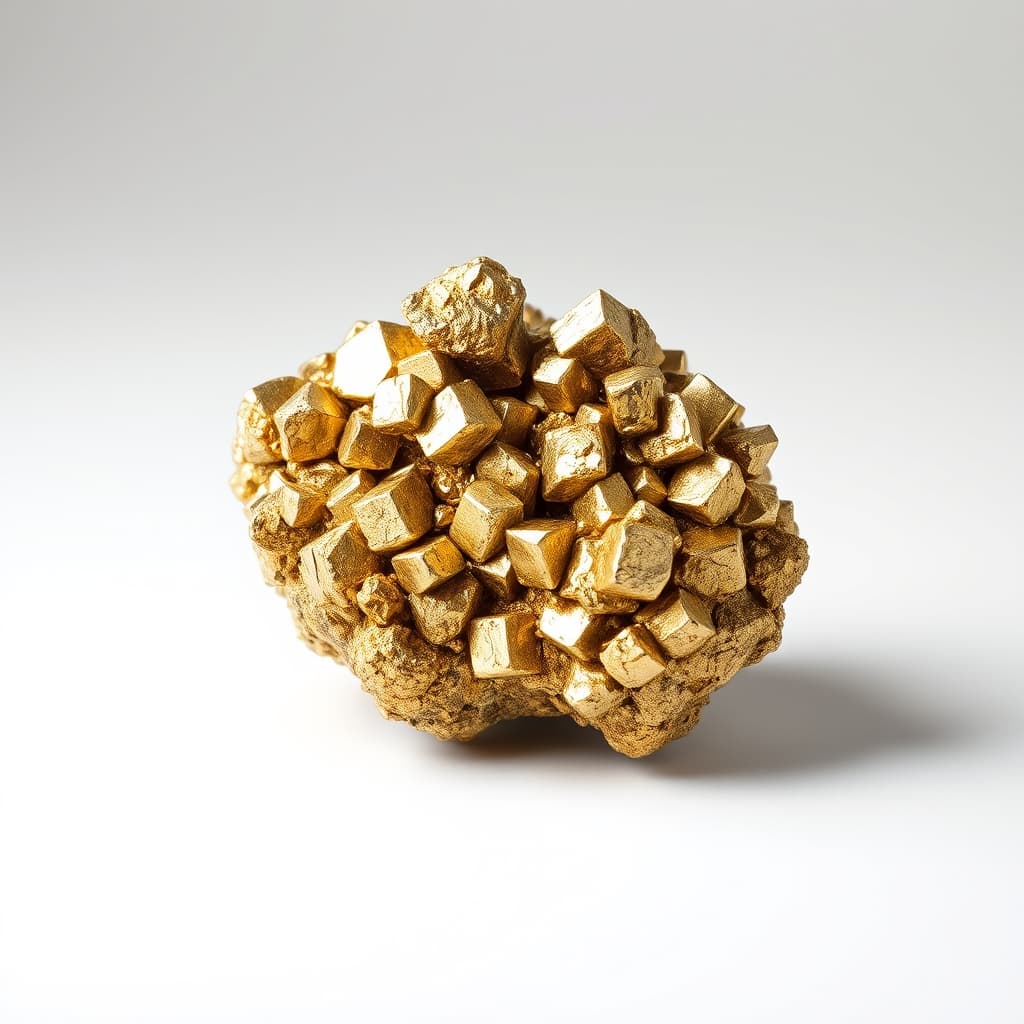
Pyrite
An iron sulphide that crystallises into bright metallic cubes, long known as fool's gold and quietly genuine in its own right.
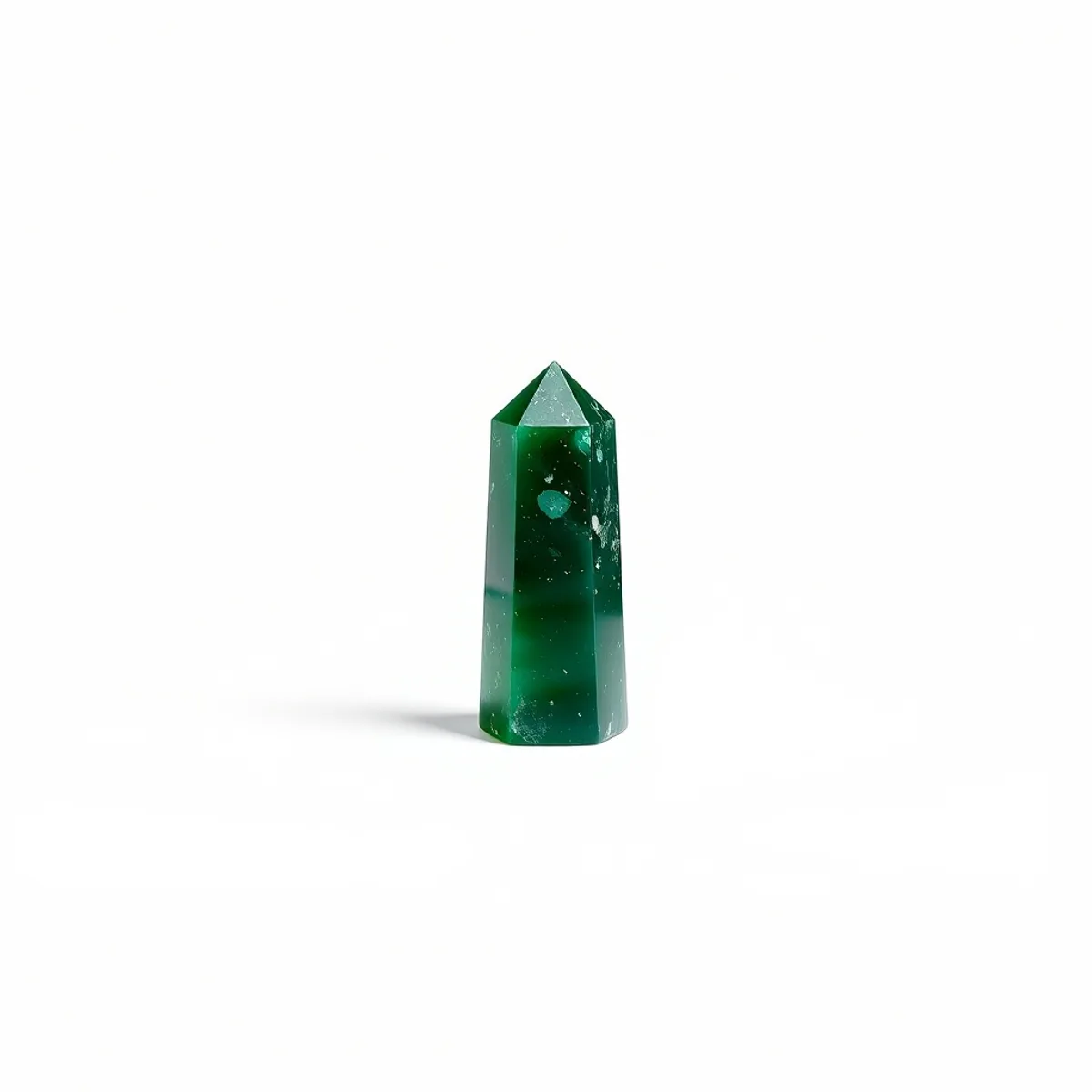
Bloodstone
A deep green chalcedony flecked with red, carried into Roman battlefields and medieval reliquaries as a soldier's stone of endurance.
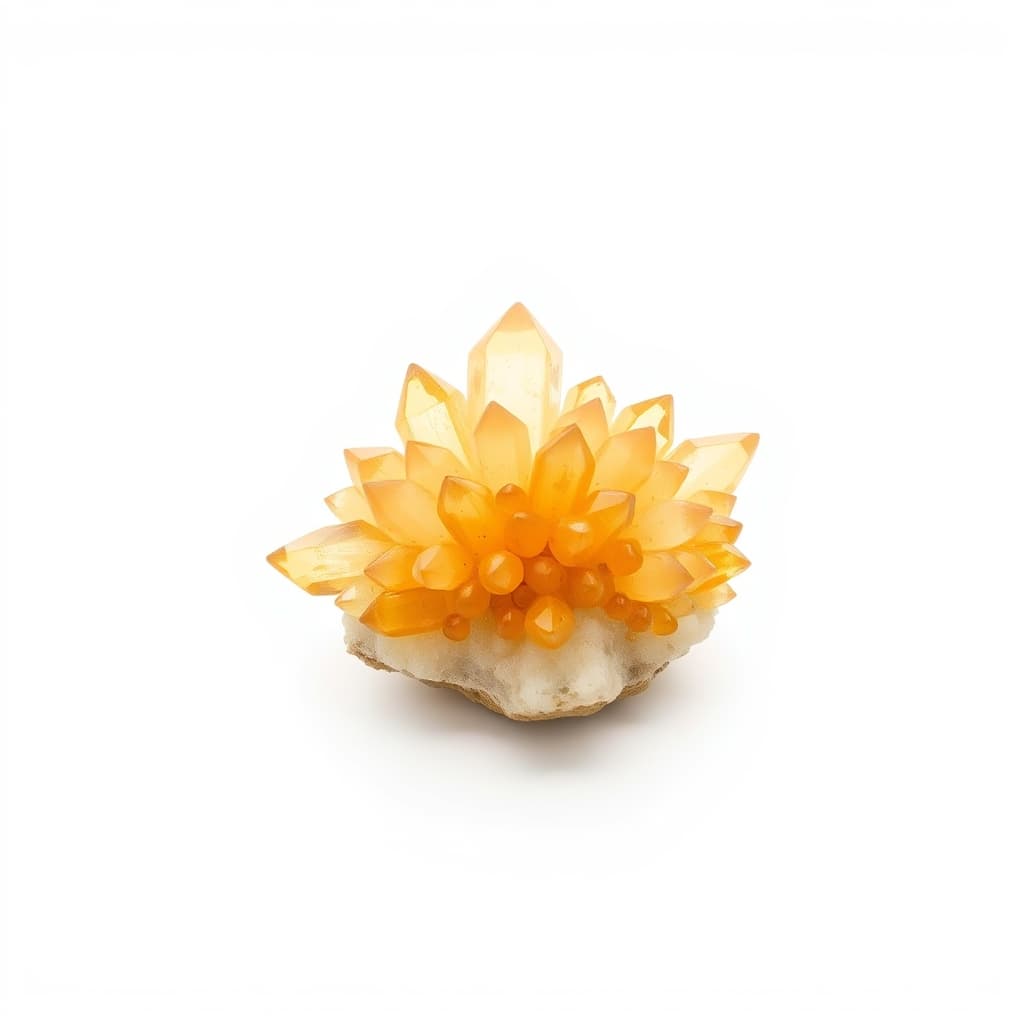
Citrine
The honey-coloured quartz long paired with the solar plexus and the part of life that has to do with confidence, abundance, and warm action.
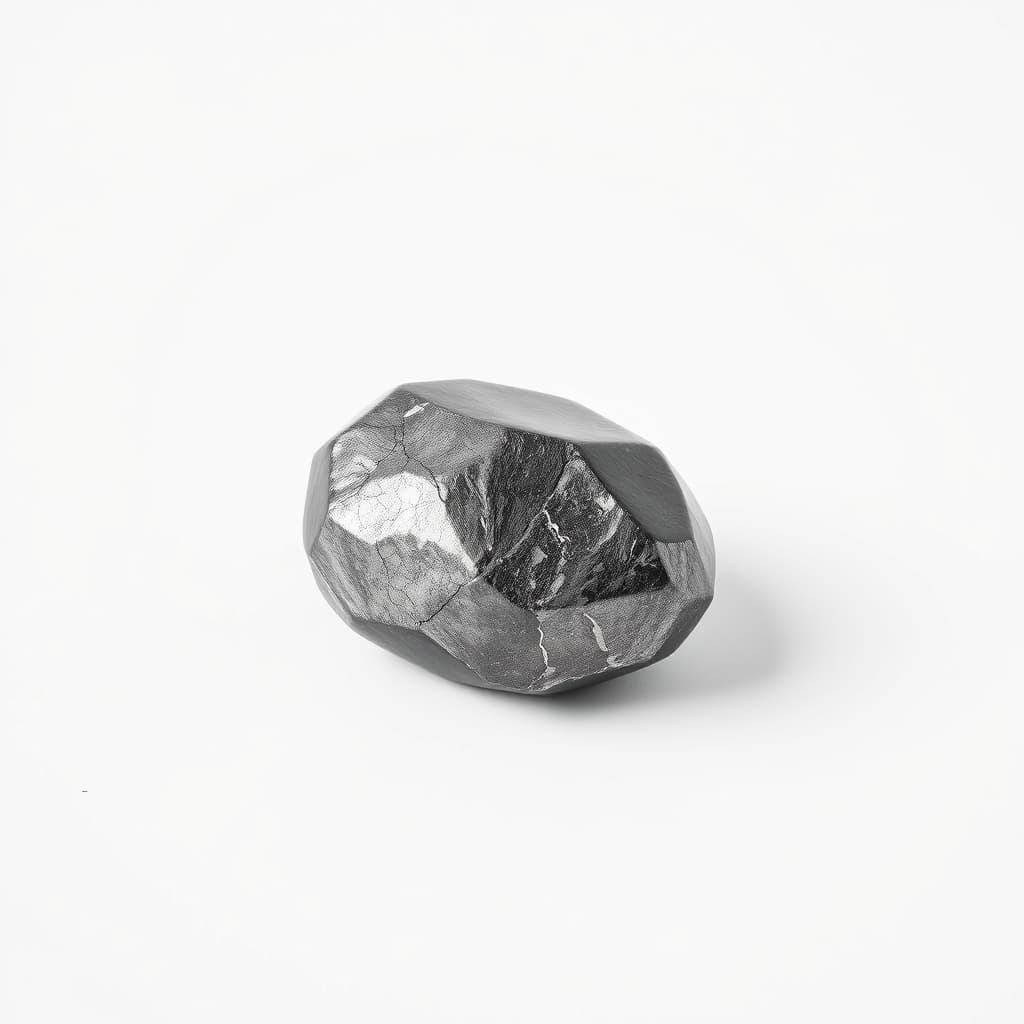
Hematite
A dense iron oxide with a mirror sheen and a noticeable weight, traditionally a grounding stone and the source of natural red ochre.