
Pyrite.
Iron disulphide (FeS2)
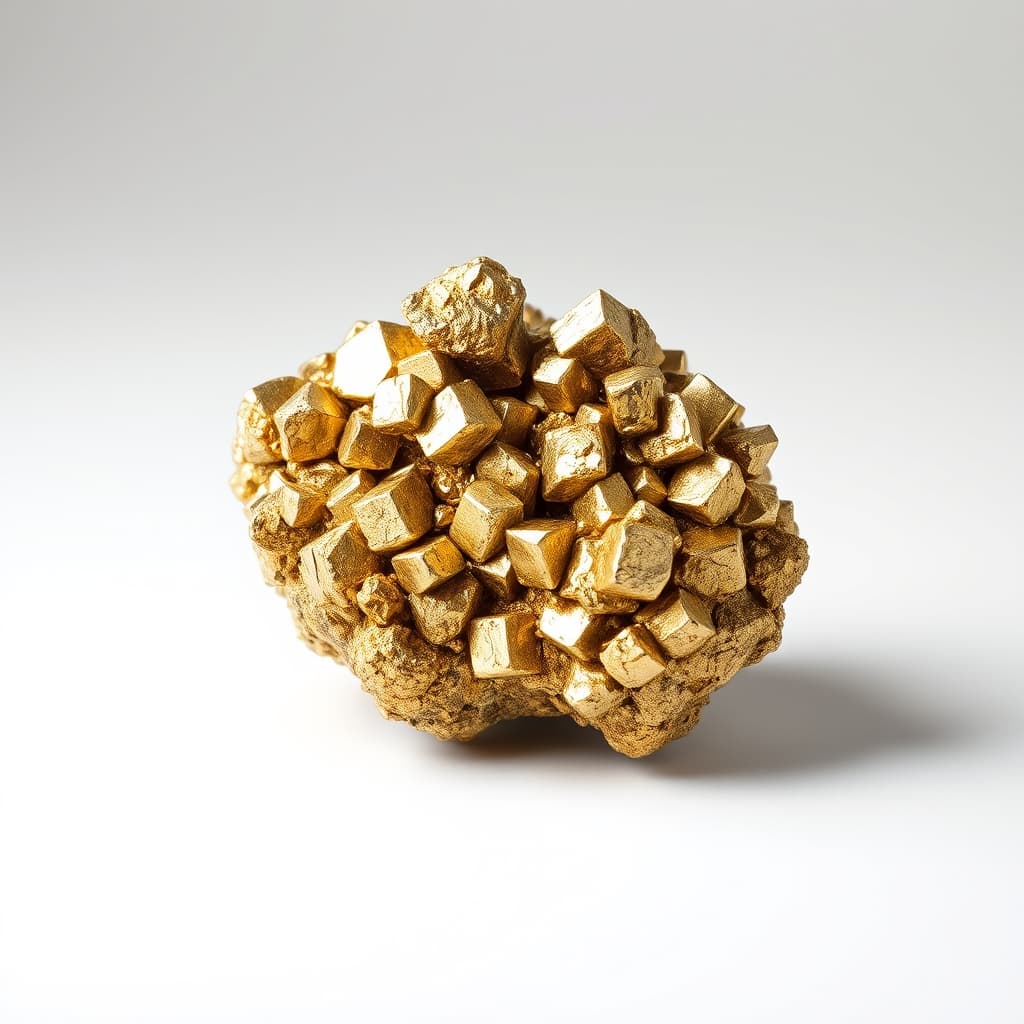
An iron sulphide that crystallises into bright metallic cubes, long known as fool's gold and quietly genuine in its own right.
Quick facts11ShowHide
- ChakraSolar Plexus (Manipura)
- Mohs hardness6 to 6.5
- Mineral familySulphide
- OriginSpain, Peru, Italy, China, United States
- ColourBrassy metallic gold
- ElementEarth, Fire
- ZodiacLeo
- Sits well withConfidence, steady action, quiet warmth
- Water safeNo, oxidises in humid conditions
- Sun safeYes
- RarityCommon, fine large cubes sought after
Hand-picked pyrite pieces are coming soon.
Until our shop is live, every order is hand-arranged through Instagram. Send a note, we will reply with what is currently in studio.
By subscribing you agree to receive weekly emails from AU Crystals. Unsubscribe anytime. See our privacy note.
Pyrite is iron disulphide, one of the few minerals that crystallises naturally into nearly perfect cubes. The Spanish Navajun deposit produces the famous floater clusters of crisp metallic cubes set in marl, often without the polishing or trimming that most mineral specimens require. The bright brassy lustre and high specific gravity gave the stone the lasting nickname fool's gold, which has clung to it across centuries despite the obvious hardness and crystal-form differences from real gold.
Pyrite has an industrial history as well as a decorative one. It served as the original source of sulphur for sulphuric acid in the nineteenth century, and the strike-a-light flint pairing of older firearms used pyrite or marcasite for the spark.
In modern crystal practice pyrite is paired with the solar plexus chakra and treated as a quiet warmth stone, more useful for steady confident action than for the breathless abundance claims that sometimes get attached to it. The piece is honest enough to recommend on its own terms. Care is the one real consideration: pyrite slowly oxidises in humid conditions, producing iron sulphate (the so-called pyrite decay) that crumbles fine specimens over years. Keep pyrite dry, away from bathrooms, and in dry storage rather than sealed plastic bags that can trap moisture.
Pairs well with.
See all pairings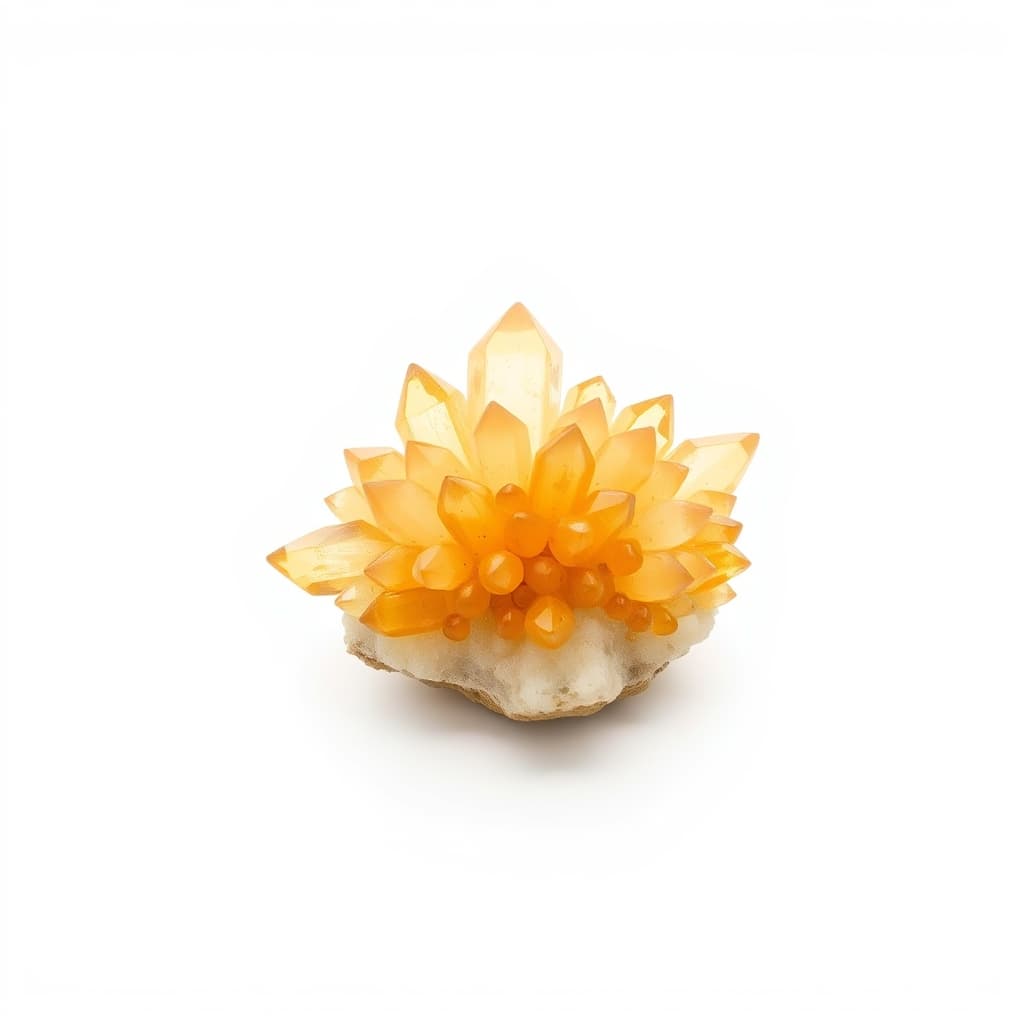
Citrine
The honey-coloured quartz long paired with the solar plexus and the part of life that has to do with confidence, abundance, and warm action.
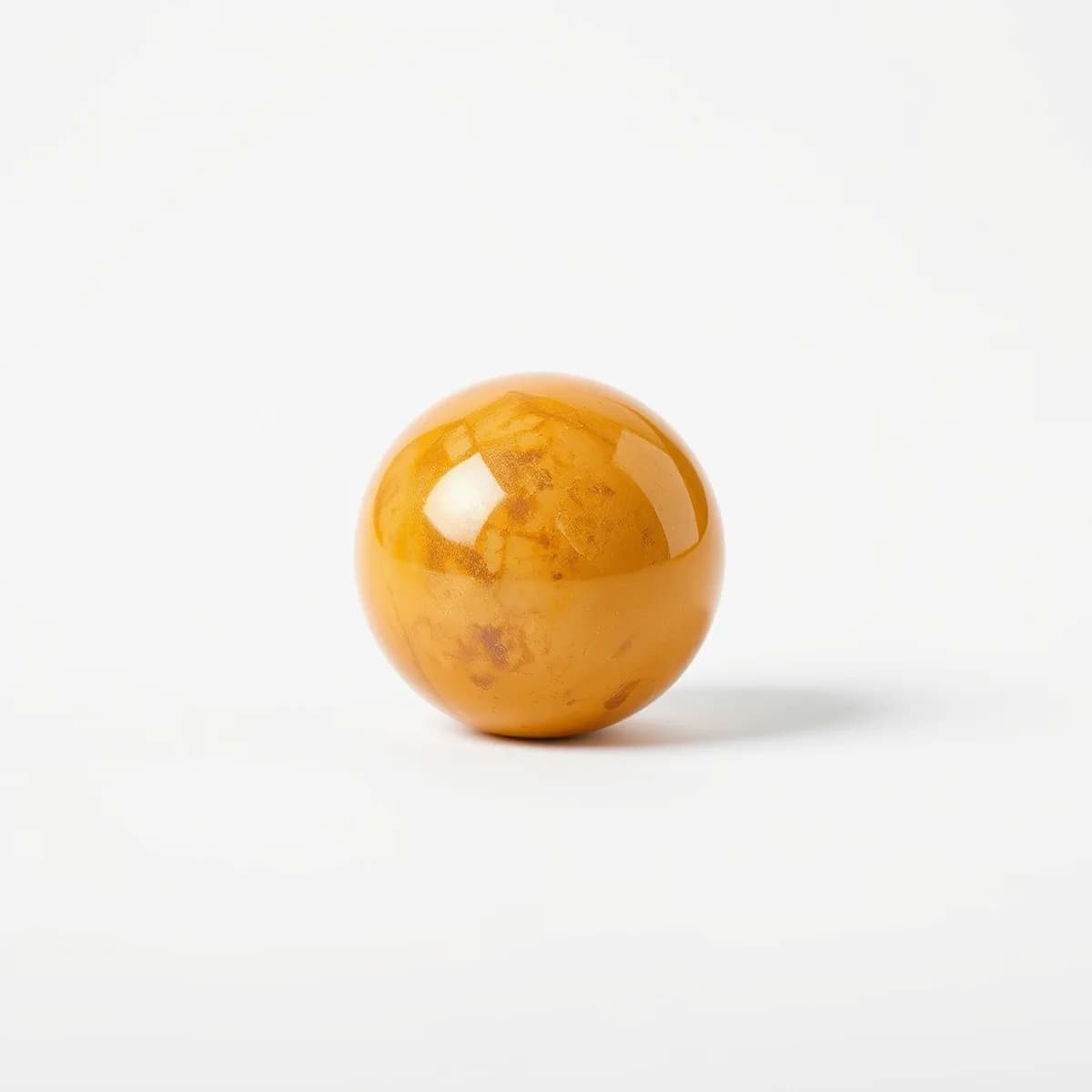
Tiger's Eye
A striped, chatoyant quartz that shifts as you tilt it, traditionally a stone of quiet confidence and steady focus.
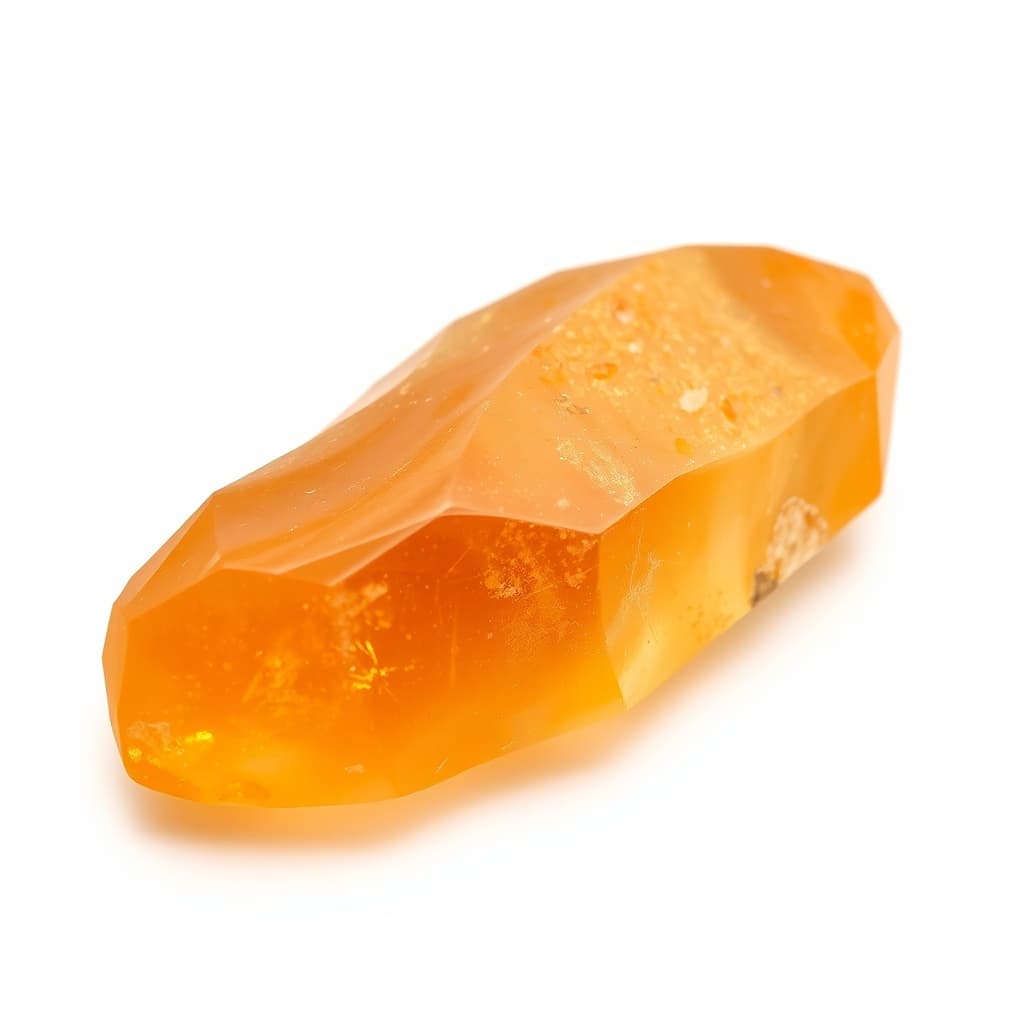
Sunstone
A copper-shimmer feldspar worn as a solar talisman across two thousand years, traditionally used for warmth, vitality, and quiet leadership.
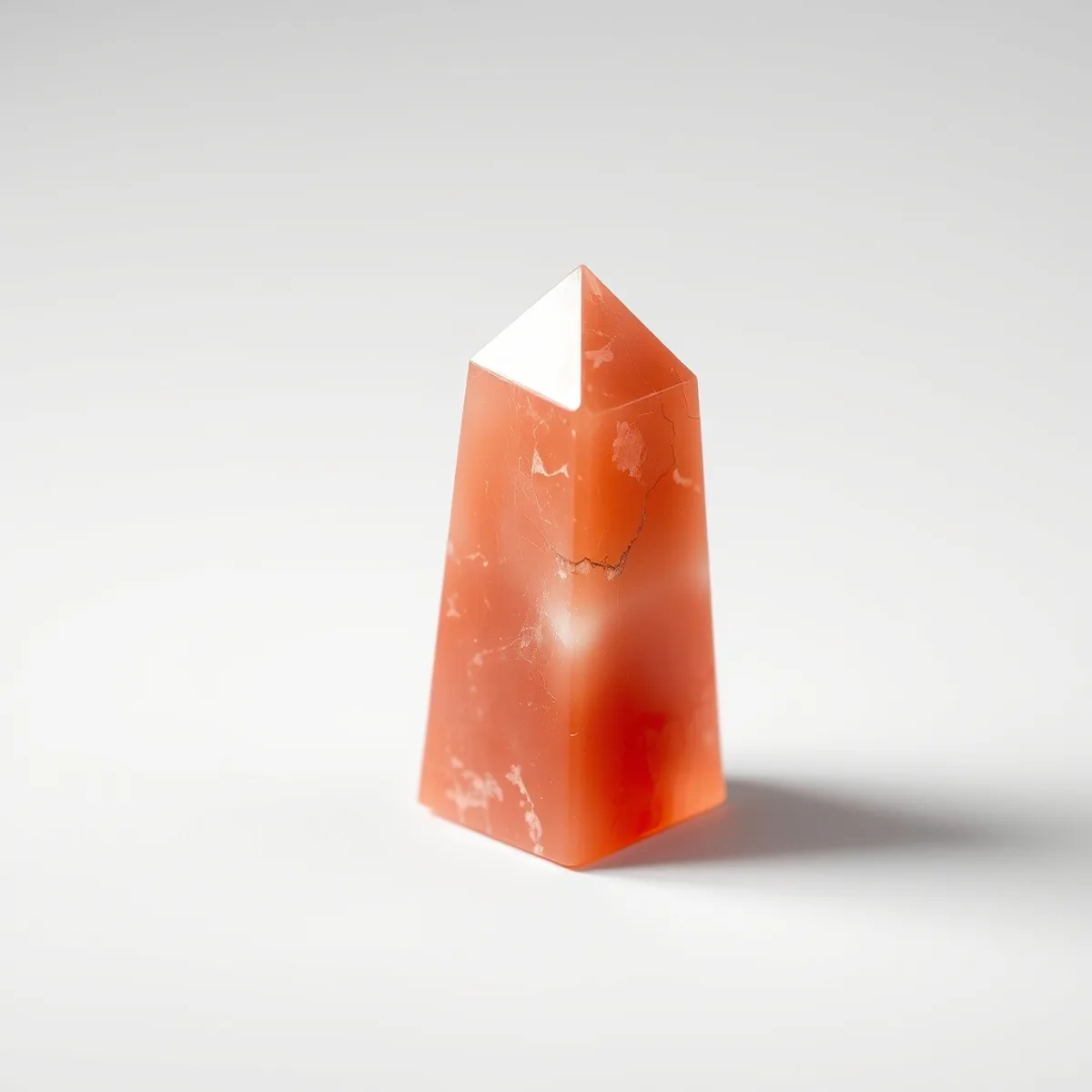
Carnelian
A warm red-orange chalcedony worn as a courage stone since the ancient world, traditional in seal rings and amulets across many cultures.