
Hematite.
Iron oxide (Fe2O3)
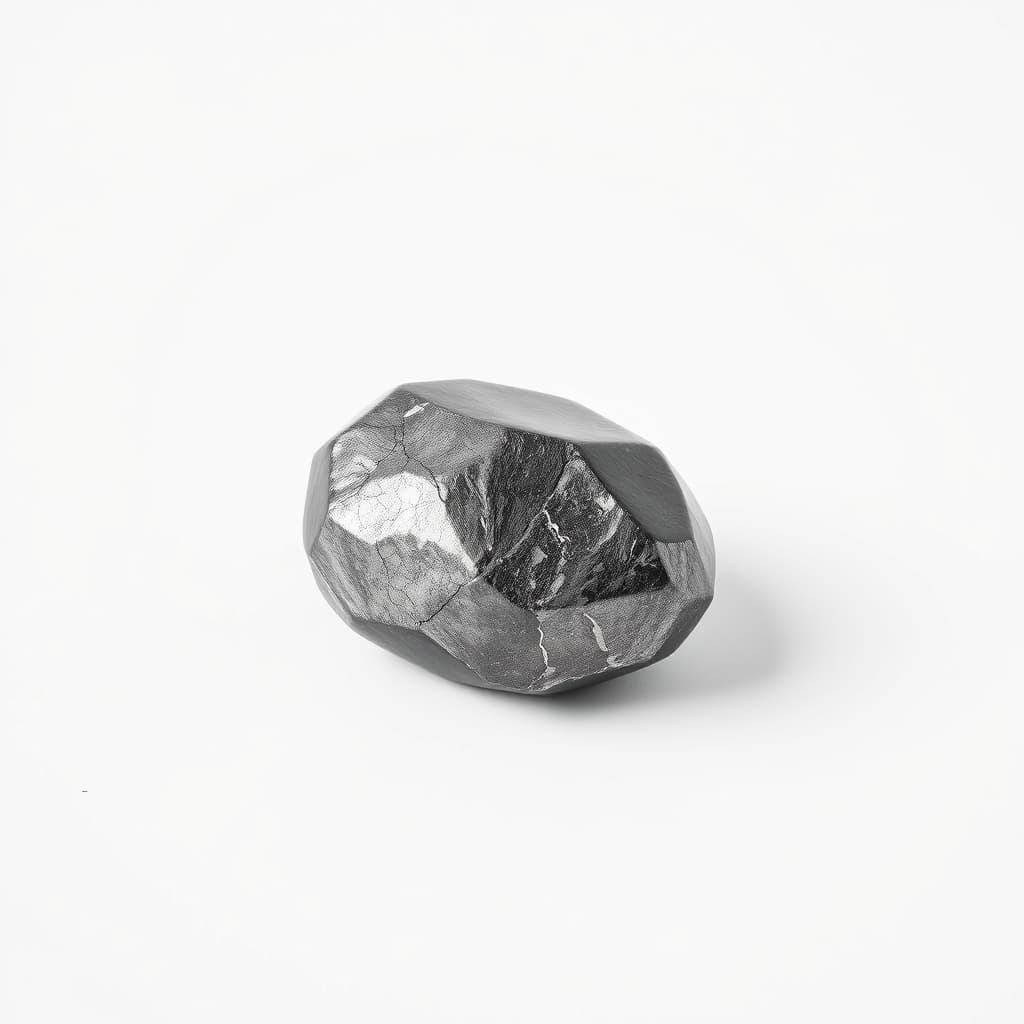
A dense iron oxide with a mirror sheen and a noticeable weight, traditionally a grounding stone and the source of natural red ochre.
Quick facts11ShowHide
- ChakraRoot (Muladhara)
- Mohs hardness5.5 to 6.5
- Mineral familyOxide
- OriginBrazil, United Kingdom, Italy, China, Australia
- ColourSteel grey to silver-black with red streak
- ElementEarth
- ZodiacAries, Aquarius, Capricorn
- Sits well withGrounding, focus, weighted calm
- Water safeBrief contact only
- Sun safeYes
- RarityCommon
Hand-picked hematite pieces are coming soon.
Until our shop is live, every order is hand-arranged through Instagram. Send a note, we will reply with what is currently in studio.
By subscribing you agree to receive weekly emails from AU Crystals. Unsubscribe anytime. See our privacy note.
Hematite is iron oxide, the same chemistry as ordinary rust but compacted into dense crystalline form. Polished pieces show a striking metallic sheen, often almost a black mirror, while the powder is the famous red of natural ochre, used as pigment from the Palaeolithic onward. The name traces to the Greek haima, blood, for the red streak the stone leaves on a porcelain plate.
The mineral has a long industrial life as the principal ore of iron, supplying everything from medieval armour to the modern steel industry. The cosmetics history runs in parallel, with red ochre serving as paint, body decoration, and grave goods across many traditions. The grounding meaning carried in modern crystal practice draws on both threads: hematite is a stone of the body, of weight, of the literal iron in the blood.
In modern crystal practice hematite sits with the root chakra. It is the piece people choose when the day is scattered and the body needs reminding of its own substance. A polished palm stone or tumbled piece in the pocket is the traditional placement. One honest note worth saying: most magnetic hematite jewellery sold under that name is not real hematite but a sintered ferrite ceramic called hematine, which is industrially manufactured to be magnetic. Real hematite is only weakly responsive to a strong magnet. Either material is fine to wear, but they are not the same stone.
Pairs well with.
See all pairings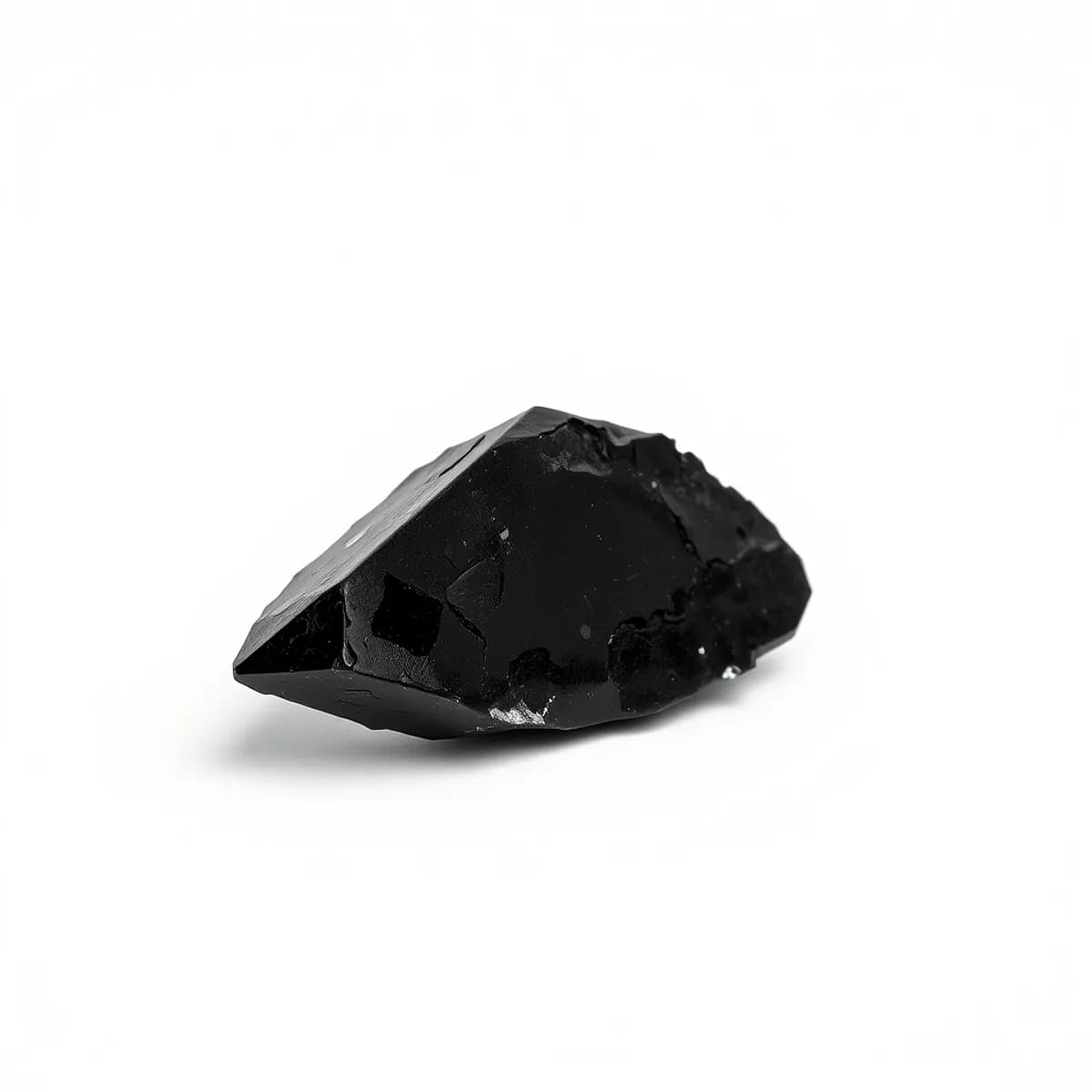
Black Tourmaline
A dense black silicate traditionally used as a protective and grounding stone. The piece practitioners keep by the door, the desk, or the bed.
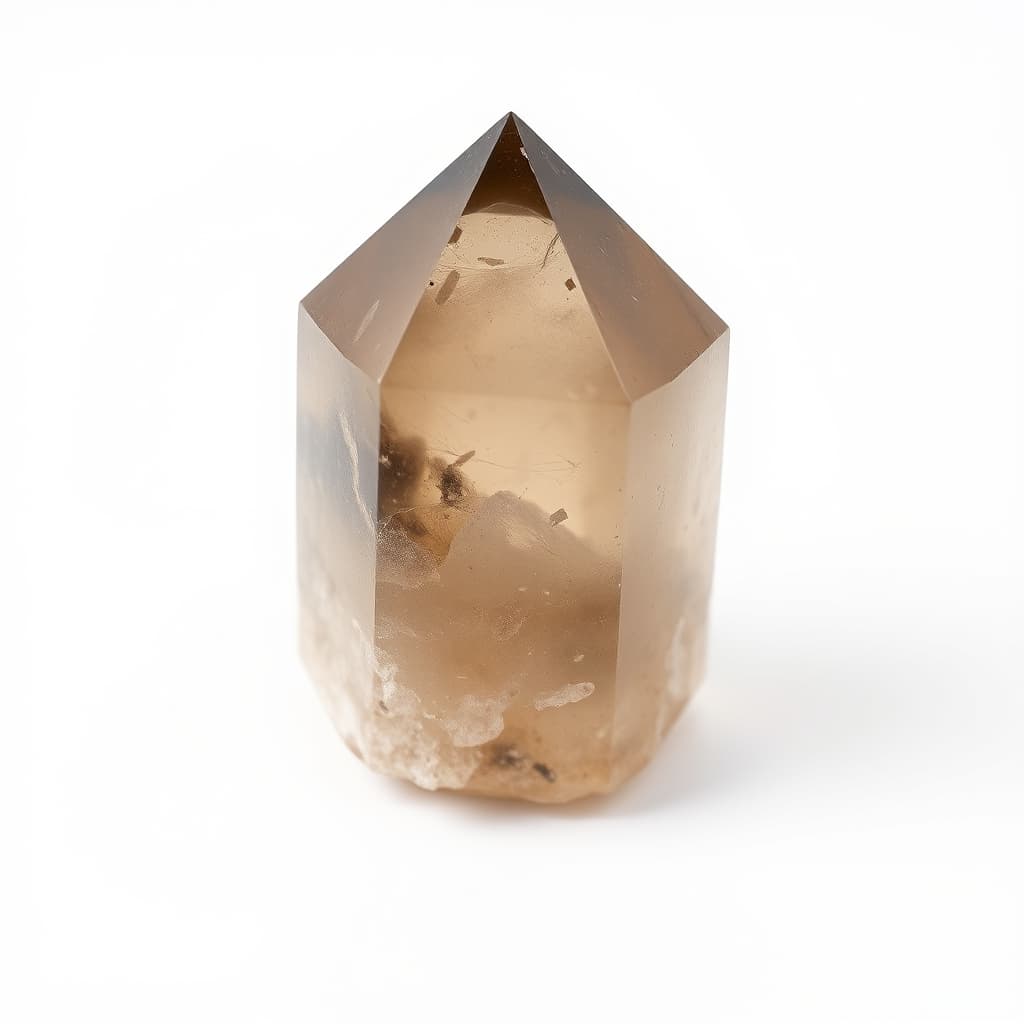
Smoky Quartz
A brown-grey quartz formed by natural radiation over geological time, traditionally a quiet grounding stone and the national gem of Scotland.
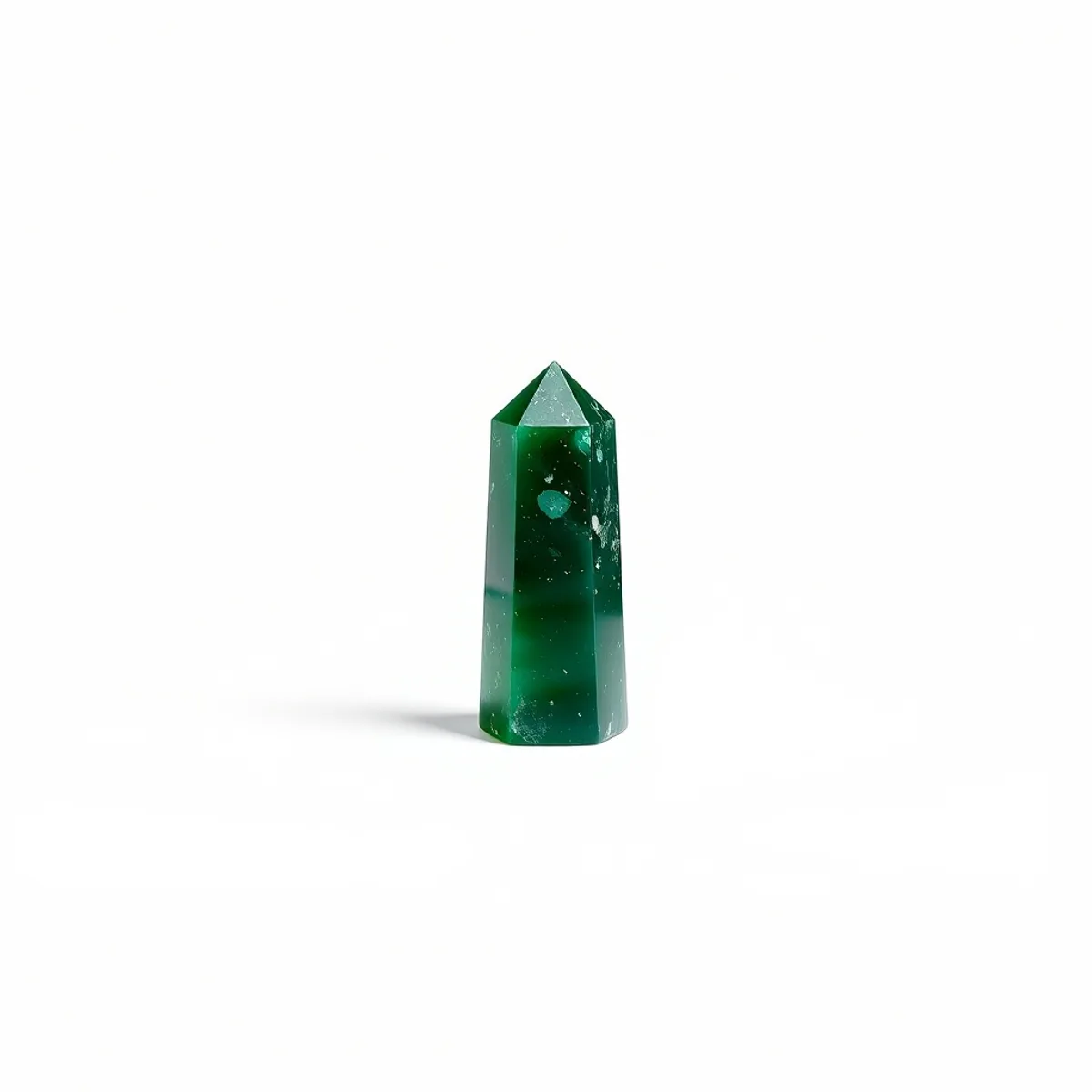
Bloodstone
A deep green chalcedony flecked with red, carried into Roman battlefields and medieval reliquaries as a soldier's stone of endurance.
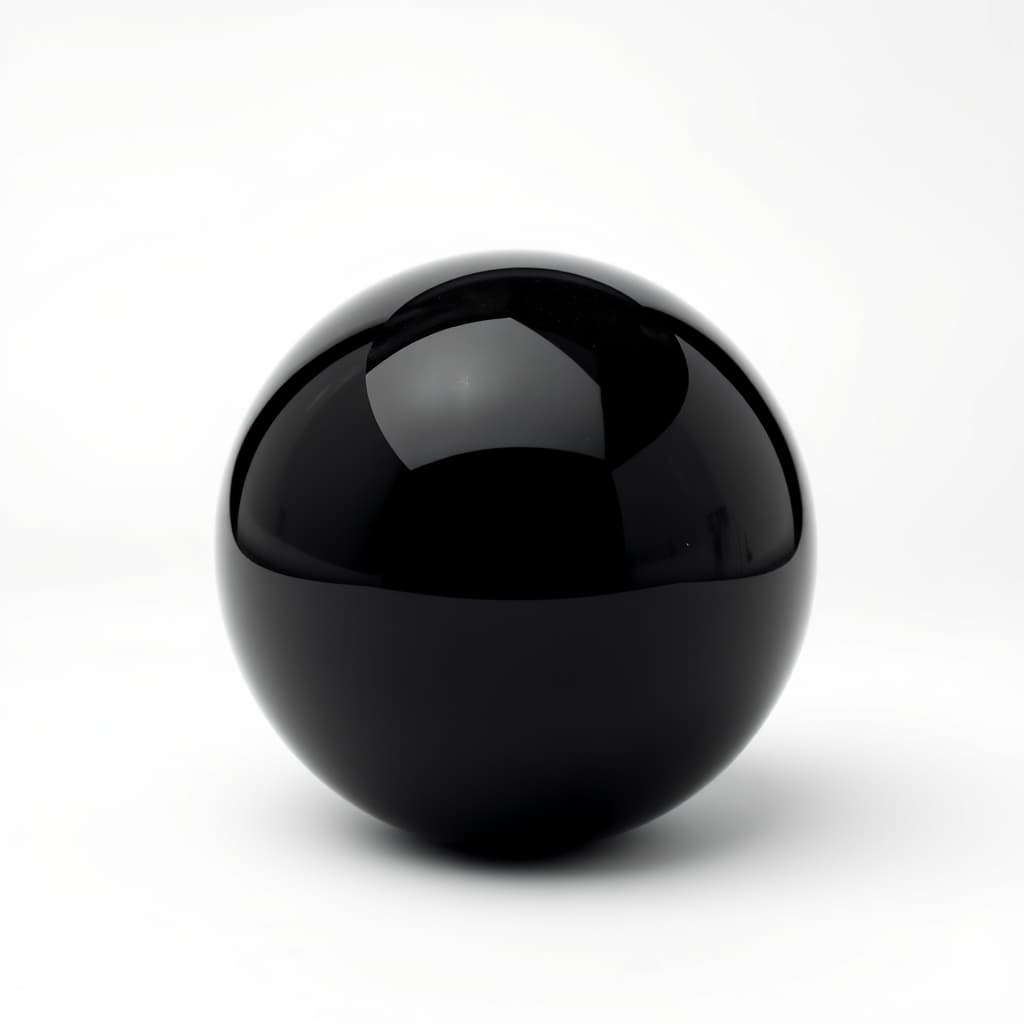
Obsidian
Volcanic glass formed when lava cools too fast to crystallise, used as cutting edge and scrying mirror across many traditions.