
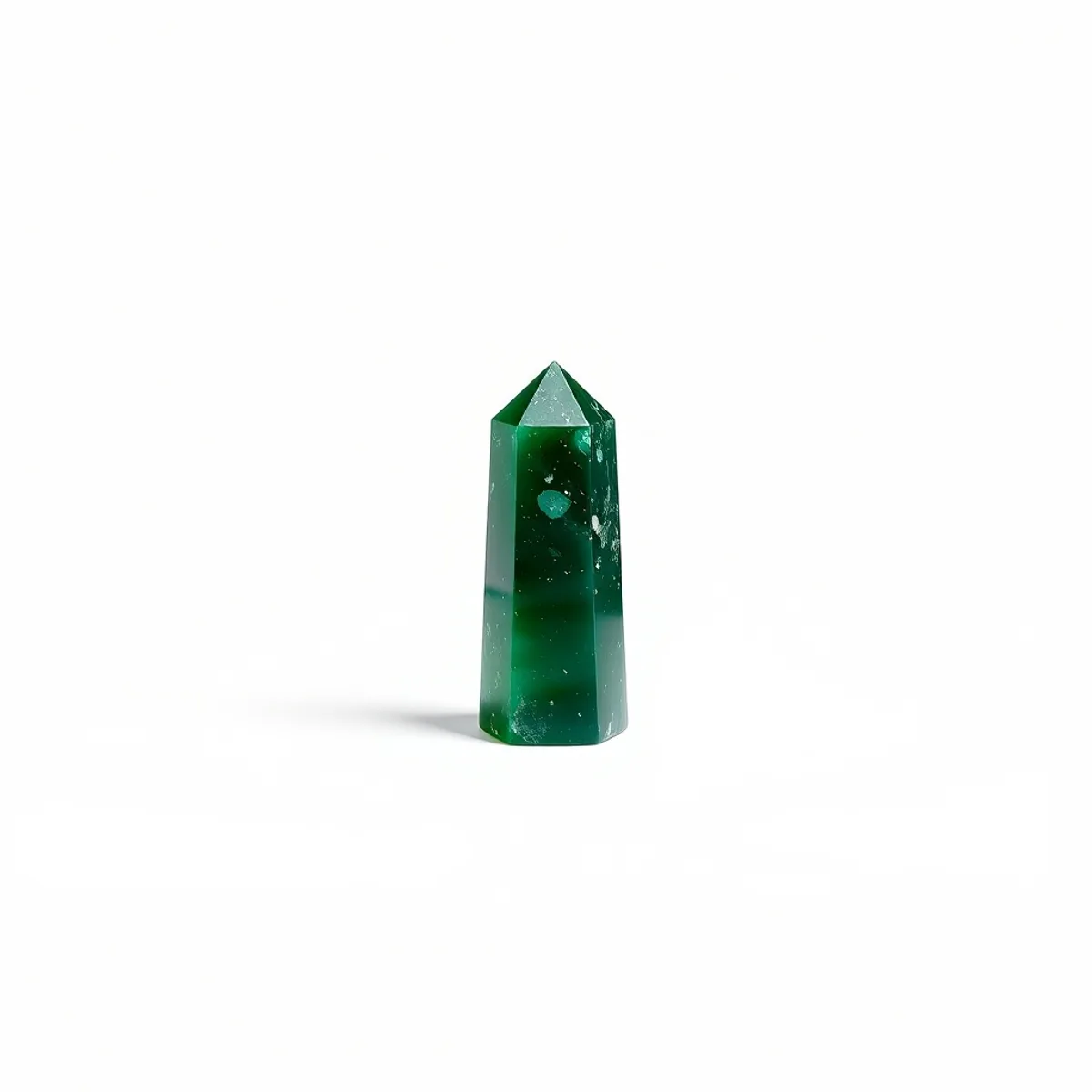
Emerald.
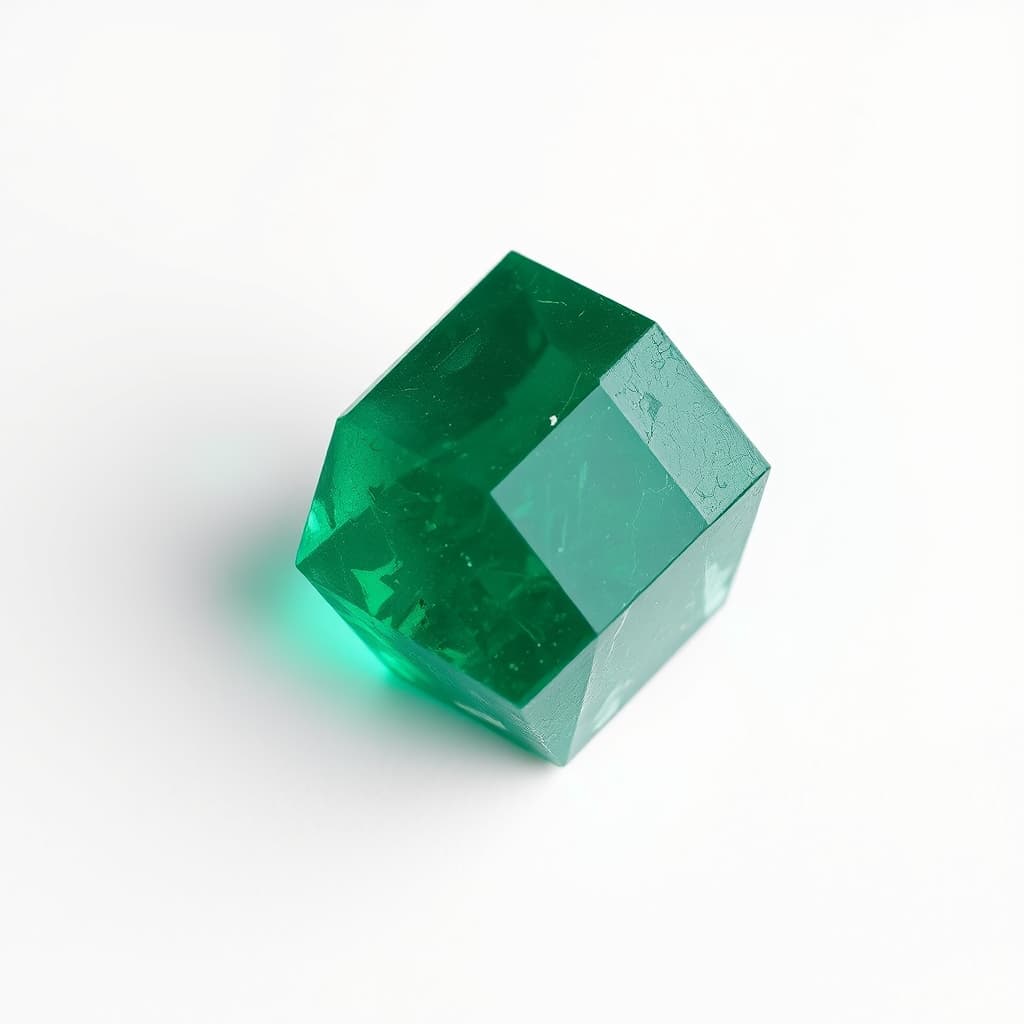
Beryl (beryllium aluminium silicate), green variety
The green variety of beryl, traditionally the May birthstone and one of the oldest stones associated with the heart.
Quick facts11ShowHide
- ChakraHeart (Anahata)
- Mohs hardness7.5 to 8
- Mineral familyBeryl (silicate)
- OriginColombia, Zambia, Brazil, Ethiopia
- ColourSoft spring green to deep saturated green
- ElementEarth
- ZodiacTaurus, Gemini, Cancer
- Sits well withHeart work, loyalty, considered love
- Water safeGenerally yes, avoid hot water on oiled stones
- Sun safeYes
- RarityFine gem-grade rare, commercial common
Hand-picked emerald pieces are coming soon.
Until our shop is live, every order is hand-arranged through Instagram. Send a note, we will reply with what is currently in studio.
By subscribing you agree to receive weekly emails from AU Crystals. Unsubscribe anytime. See our privacy note.
Emerald is the green variety of beryl, taking its colour from trace chromium and sometimes vanadium. The Muzo and Chivor mines of Colombia have produced the benchmark fine-quality material for several hundred years, with newer Zambian deposits known for cleaner clarity at slightly different colour. Almost all natural emerald carries some inclusions, the so-called jardin, which gemmologists treat as evidence of natural origin rather than as a defect.
The stone has one of the longest continuous traditions of any gem. Egyptian deposits worked from at least 1500 BCE supplied the eastern Mediterranean, and Cleopatra's mines remain a touchstone in the literature. Across cultures the green has been read as the colour of renewal, of growing things, and of the loyal kind of love that returns each spring rather than blazing once.
In modern crystal practice emerald sits with the heart chakra. It is paired less with romantic infatuation than with the steadier work of long love: family commitments, friendships kept across decades, and the quiet renewal of feeling after a difficult season. Most fine emerald is treated with cedar or proprietary oils to fill surface-reaching fractures, which is standard practice and accepted in the trade so long as it is disclosed. Hot ultrasonic cleaners and harsh detergents can strip these treatments, so handle pieces gently and with warm soapy water only.
Pairs well with.
See all pairings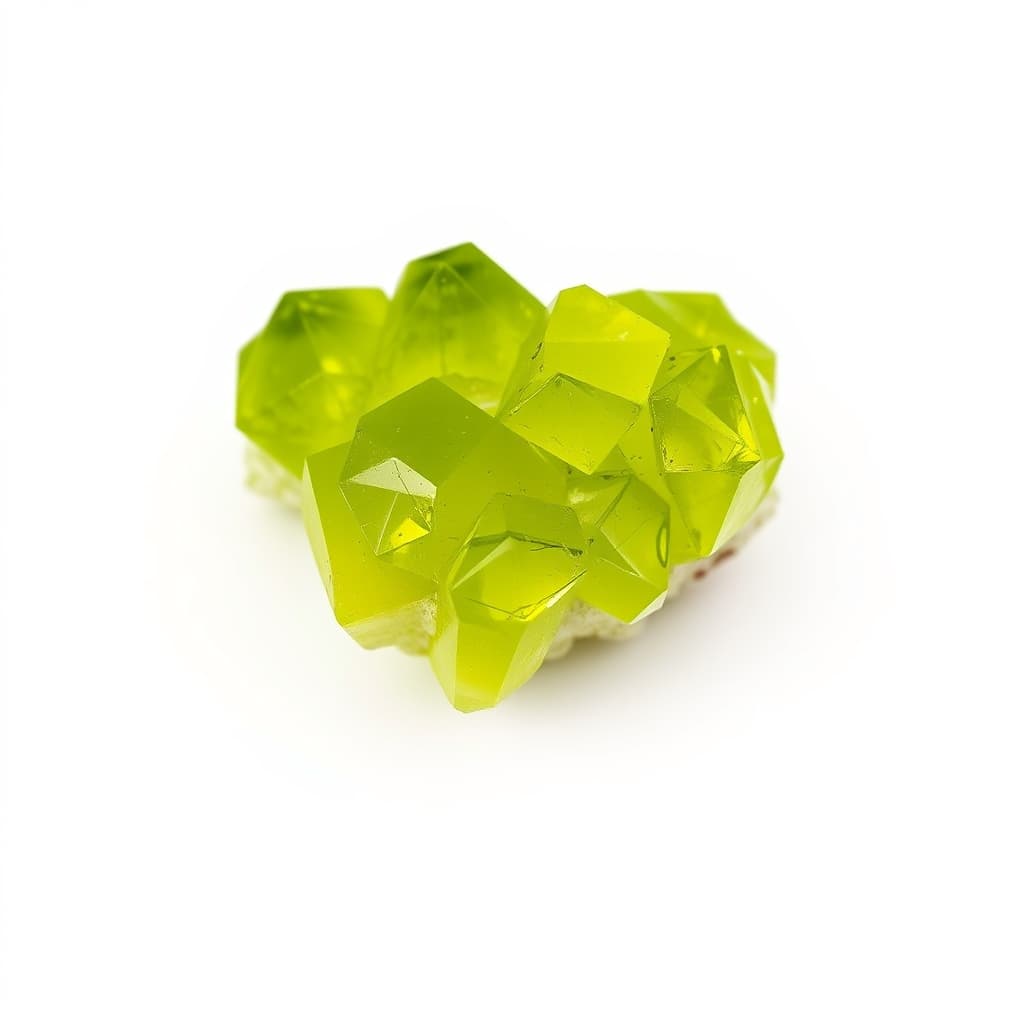
Peridot
A bright olive-green silicate formed deep in the mantle, traditionally the August birthstone and a quiet symbol of fresh start.
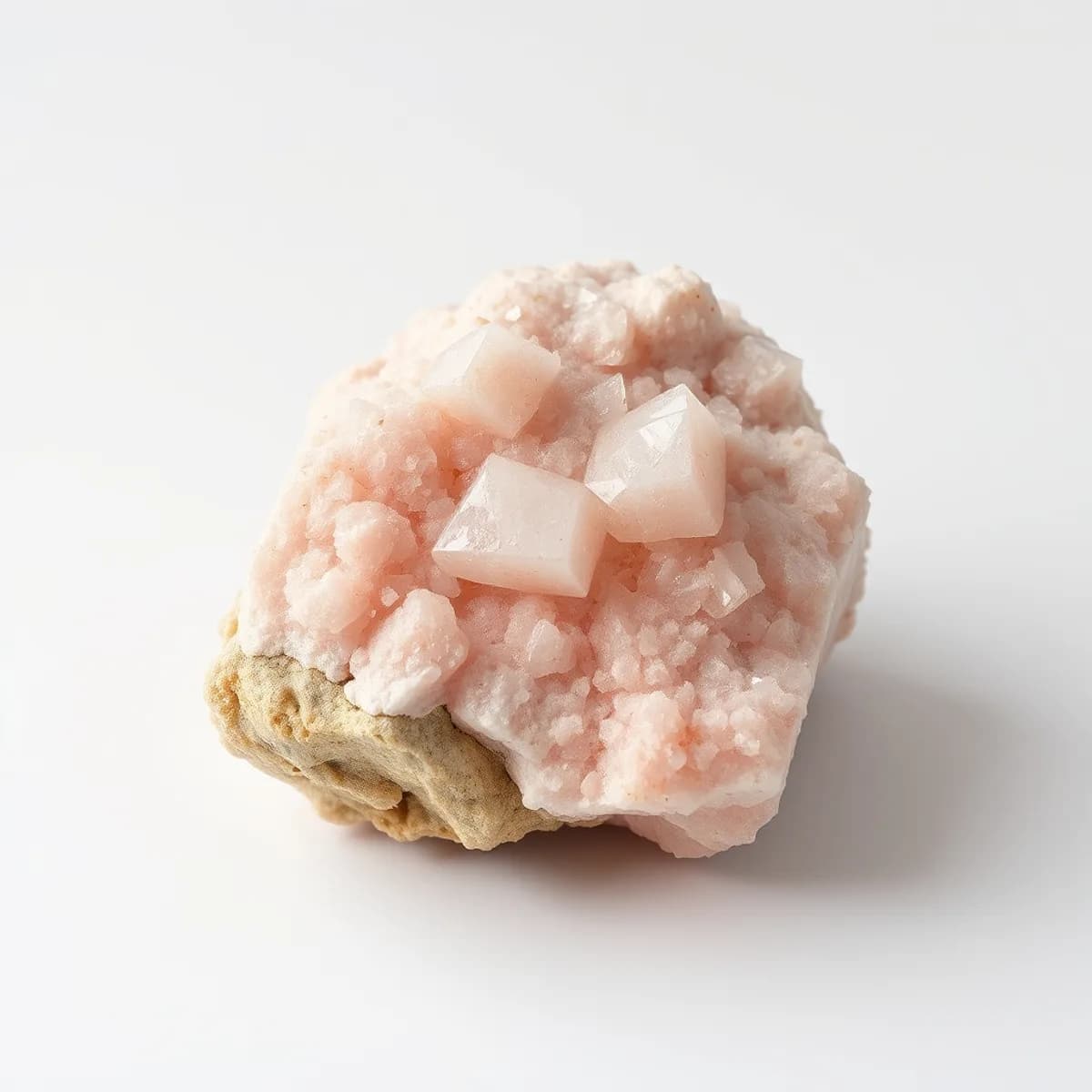
Rose Quartz
The pink quartz traditionally paired with the heart chakra. A gentle stone for self-compassion, soft mornings, and the kind of love that doesn't need to prove itself.
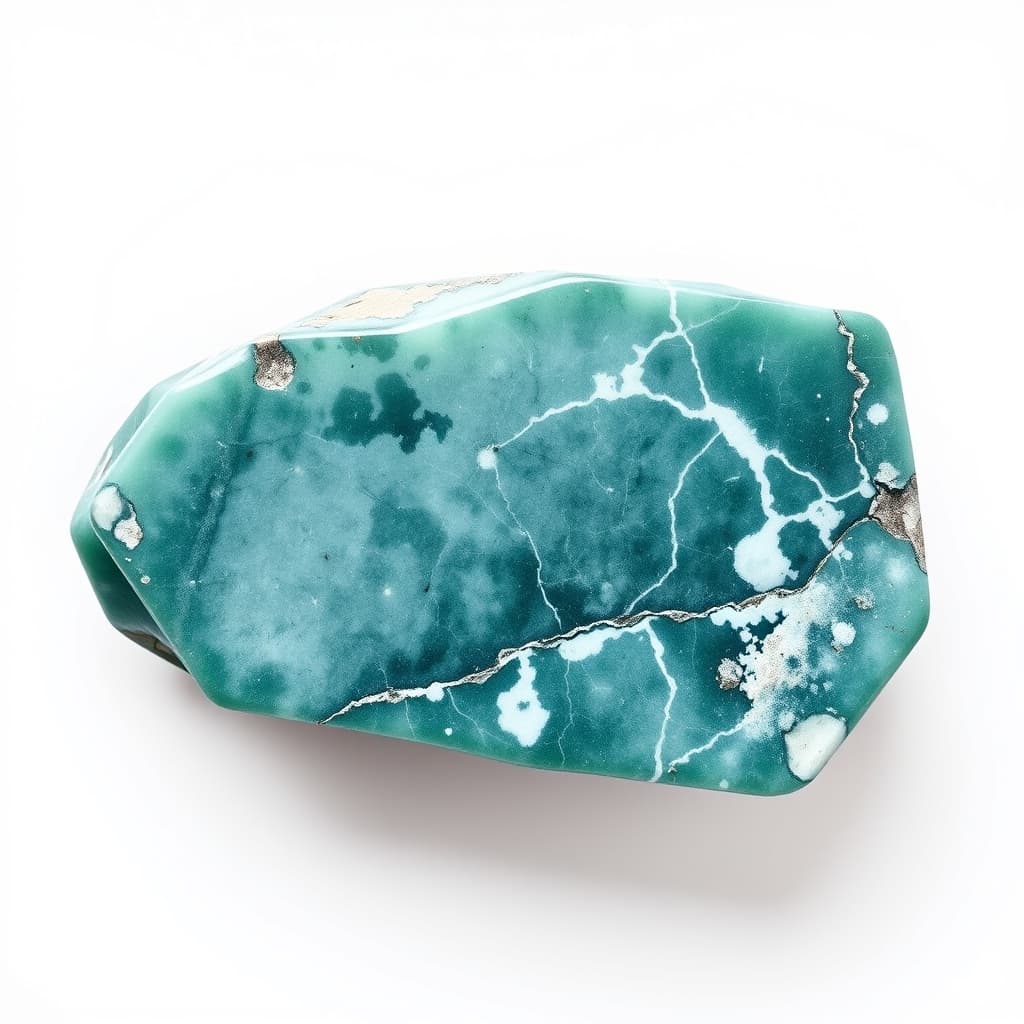
Amazonite
A teal-green feldspar paired with the throat chakra and the kind of conversation that needs both honesty and gentleness.
Bloodstone
A deep green chalcedony flecked with red, carried into Roman battlefields and medieval reliquaries as a soldier's stone of endurance.