
Rhodonite, the Stone of Grief-Informed Love
A pink-and-black manganese silicate paired with the heart chakra and traditionally used for the kind of love work that includes loss, forgiveness, and reconciliation. The mineralogy, the dark veining, and how to choose well.
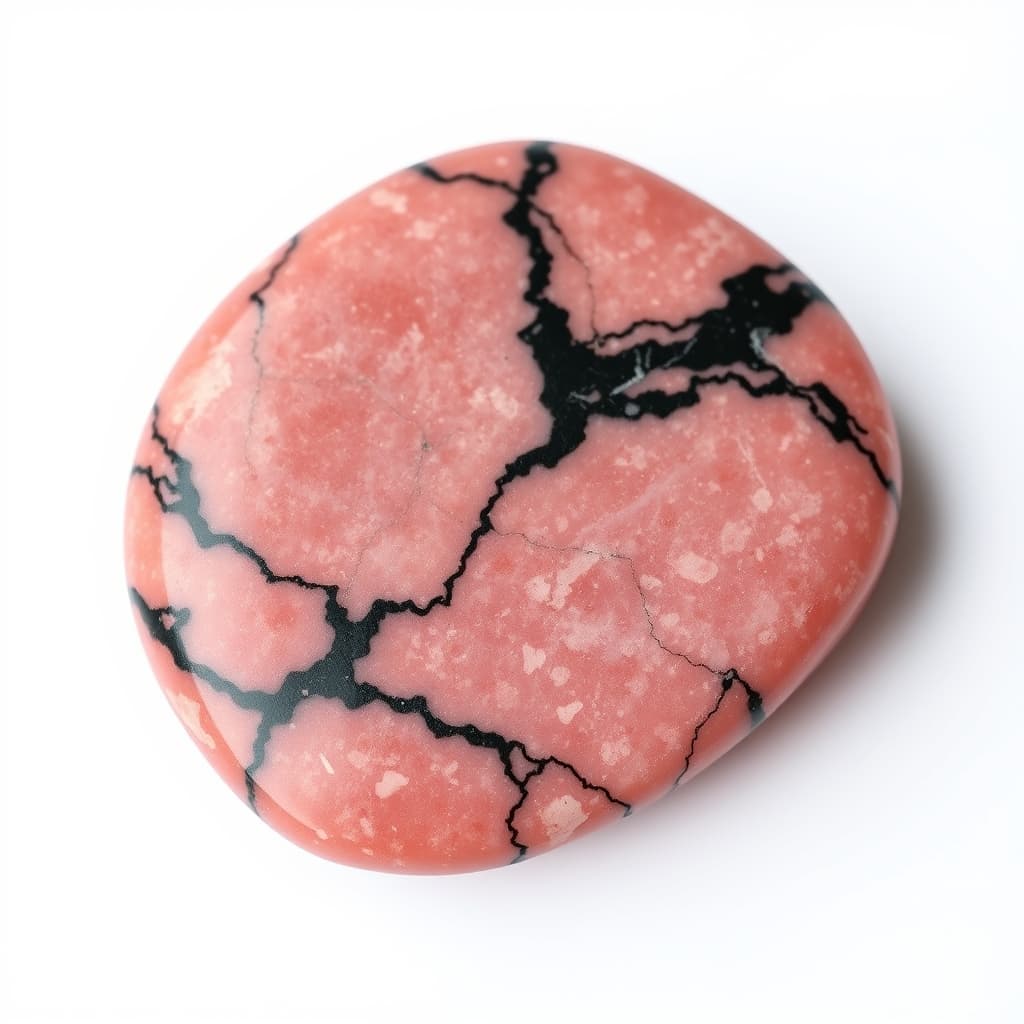
Quick facts11ShowHide
- ChakraHeart (Anahata), Root (Muladhara)
- Mohs hardness5.5 to 6.5
- Mineral familyManganese silicate
- OriginRussia, Sweden, Australia, Brazil, United States
- ColourPink to deep rose with black manganese oxide veining
- ElementEarth, Water
- ZodiacTaurus, Scorpio
- Sits well withGrief work, forgiveness, reconciliation
- Water safeBrief contact only
- Sun safeMostly yes
- RarityCommon, gem-quality uncommon
Rhodonite is the heart-chakra stone for difficult love. Where rose quartz carries the unbroken self-compassion tradition, rhodonite carries the harder version: the love that persists through loss, the forgiveness that requires acknowledging harm, the reconciliation that comes after rupture rather than instead of it. The dark veining through the pink colour is the visual fingerprint of this difference. This guide walks through the mineralogy, the meaningful distinction from rhodochrosite, the chakra associations, and how to use the stone in the specific moments where it earns its place in a collection.
What it actually is
Rhodonite is a manganese silicate, formula MnSiO3, with a characteristic pink-to-deep-rose colour from the manganese content. The signature feature is the black veining that runs through the pink, caused by manganese oxide inclusions (mostly pyrolusite) that form during the same crystallisation process.
The name comes from the Greek rhodon, meaning rose, the same root as rhodochrosite, rhododendron, and rhodium. It refers to the colour, not to any deeper symbolic meaning, though the rose association has carried through into the stone's traditional use for heart work.
Rhodonite without any veining is rare and gem-quality, but the veined material is what most practitioners use. The veining is not a flaw; it is the structural signature of the stone.
The crucial distinction from rhodochrosite
Rhodonite and rhodochrosite are often confused because the names sound similar and both are pink heart-chakra stones. They are different minerals with different properties.
| Feature | Rhodonite | Rhodochrosite |
|---|---|---|
| Chemistry | Manganese silicate | Manganese carbonate |
| Hardness | 5.5 to 6.5 (more durable) | 3.5 to 4 (softer) |
| Colour | Pink with black veining | Pink with white banding |
| Use | Grief, forgiveness, reconciliation | Self-acceptance, inner-child work |
| Water tolerance | Brief contact | Avoid water entirely |
If you intend to buy rhodonite for grief work, make sure the seller has the right stone. Rhodochrosite is beautiful in its own right but addresses different heart work.
The traditional meaning
Rhodonite has a shorter documented tradition than the older heart stones (rose quartz, malachite), but its modern use is consistent across sources.
Russian and Scandinavian use. Rhodonite was extensively used in Russian decorative arts during the 19th century, particularly in St Petersburg, where large rhodonite vases and architectural pieces were created for the imperial court. The stone became associated with sustained love and devotion in Russian folk tradition through this period.
Modern crystal practice. Contemporary practice pairs rhodonite specifically with the heart-work that includes loss. Where rose quartz handles unbroken self-compassion, rhodonite handles compassion through difficulty. The black veining is read symbolically as the integration of darkness into the heart's work, rather than its avoidance.
Australian Indigenous use. Some Australian Indigenous traditions have used local rhodonite (Australia is a significant source) in ceremonies related to grief and ancestor work, though documentation is uneven.
When rhodonite, not rose quartz
Three specific heart-work situations where rhodonite is the better fit.
Active grief. Recent loss (death, separation, the end of something significant). Rose quartz keeps the heart soft; rhodonite specifically supports the integration of loss into ongoing life.
Forgiveness work that includes acknowledgment. When you need to forgive someone for something genuinely harmful (yourself or someone else), rhodonite carries the weight of acknowledgement that pure rose quartz does not.
Reconciliation after rupture. Relationships that have broken and are being rebuilt benefit from rhodonite's tradition. The stone's veining symbolises the integration of the rupture into the new form, rather than pretending it did not happen.
A useful reframe. If rhodonite is sold to you as a stone for "attracting love," the seller has missed the tradition. Rhodonite is for love that has already been tested by loss, not for love that has not yet arrived.
The chakra association
Rhodonite pairs with the heart chakra (Anahata) primarily, with secondary association to the root chakra (Muladhara) through the dark veining. The root association is particularly fitting for grief work, since grief often disrupts the foundational sense of safety that the root chakra represents.
The dual association is part of why rhodonite is grounding in a way that rose quartz is not. It addresses both the emotional and the foundational dimensions of difficult heart work.
Living with a piece
Four placements that fit the tradition.
Held during grief practice. A small piece in the hand during journaling, meditation, or sitting with a recent loss. The physical weight is part of the work.
On a memorial spot. Beside a photograph of someone gone, or on a shelf dedicated to remembering. The stone marks the ongoing presence of the person in your interior life.
During forgiveness meditation. Held during deliberate forgiveness work, whether forgiving yourself or someone else.
Beside rose quartz. The traditional pairing for sustained heart work that includes both gentleness and grief. Rose quartz alone is sometimes too soft for genuine grief; the pair holds both qualities.
Caring for rhodonite
Three notes.
It is moderately durable. Hardness 5.5 to 6.5 means it scratches less easily than amber but more easily than quartz. Daily wear is fine; store separately from harder stones.
It is water-cautious. Brief rinsing is acceptable. Never soak. Avoid salt water and ultrasonic cleaners, which can attack the manganese content over time.
It is mostly sun-stable. Brief sun exposure is fine. Some prolonged exposure can deepen the colour slightly, which most practitioners find beneficial rather than harmful.
Buying with clear eyes
Three honest checks.
Look for natural veining. Real rhodonite shows the black manganese oxide veining as integral to the structure. Pieces sold as "pure rhodonite" with no veining are either gem-quality (and expensive) or are dyed howlite or marble.
Compare to rhodochrosite. Banded white-and-pink rocks sold as rhodonite are usually rhodochrosite. The stones serve different purposes.
Check the colour range. Real rhodonite varies from pale pink to deep rose. Suspiciously vivid hot-pink uniform colour suggests dye or a different stone entirely.
Pairings
Rhodonite combines particularly well with three stones.
- Rhodonite and rose quartz. The traditional grief-and-self-compassion pair. Both heart stones, addressing different aspects.
- Rhodonite and black tourmaline. When grief is producing acute anxiety, the grounding of black tourmaline supports the heart work without competing with it.
- Rhodonite and amethyst. Heart work that needs settling at night, particularly during early grief when sleep is difficult.
A closing thought
Rhodonite earns its place in a collection during specific seasons of life rather than as a daily-carry stone. When you need it, it is hard to substitute. When you do not, it sits quietly. The veined pink is one of the most honest visual symbols in the crystal tradition: love and difficulty integrated into a single piece, neither pretending the other does not exist.
For closely related heart-work stones, see our rose quartz guide and malachite guide. For broader application, see our crystals for grief and crystals for love and relationships guides.
Want a piece from this guide?
Until our shop is live, we hand-arrange orders through Instagram. Tap to ask what is currently available.
Preview the message
Hi AU Crystals,

I was reading your Rhodonite, the Stone of Grief-Informed Love page (aucrystals.com/blog/rhodonite-complete-guide).

I wanted to ask about the stones in this guide.
A starter message gets copied to your clipboard. Paste it into the DM on Instagram.
A few honest questions.
What chakra is rhodonite for?
The heart chakra (Anahata), specifically for the grief-informed and forgiveness aspects of heart work. Where rose quartz handles ongoing self-compassion, rhodonite addresses the heart work that includes loss and reconciliation.
Is rhodonite the same as rhodochrosite?
No. They sound similar and are both pink, but they are different minerals. Rhodonite is manganese silicate (MnSiO3) with characteristic black veining. Rhodochrosite is manganese carbonate (MnCO3), softer and more banded with pale pink and white. Rhodonite is harder and more durable.
What are the black veins in rhodonite?
Black manganese oxide inclusions, mostly pyrolusite. They form during the same crystallisation process as the pink rhodonite and are an integral part of the stone, not impurities. Rhodonite without veining is rare; the veining is the visual signature of authenticity.
Can rhodonite go in water?
Brief contact only. Rhodonite is reasonably durable but the manganese content can react over time with prolonged moisture, particularly with salt water. Avoid soaking and ultrasonic cleaners.
Is rhodonite safe to wear as jewellery?
Yes. At 5.5 to 6.5 on the Mohs scale, rhodonite handles ordinary daily wear. Avoid hard impacts since the manganese veining can sometimes serve as natural fracture lines under shock.
Keep reading.
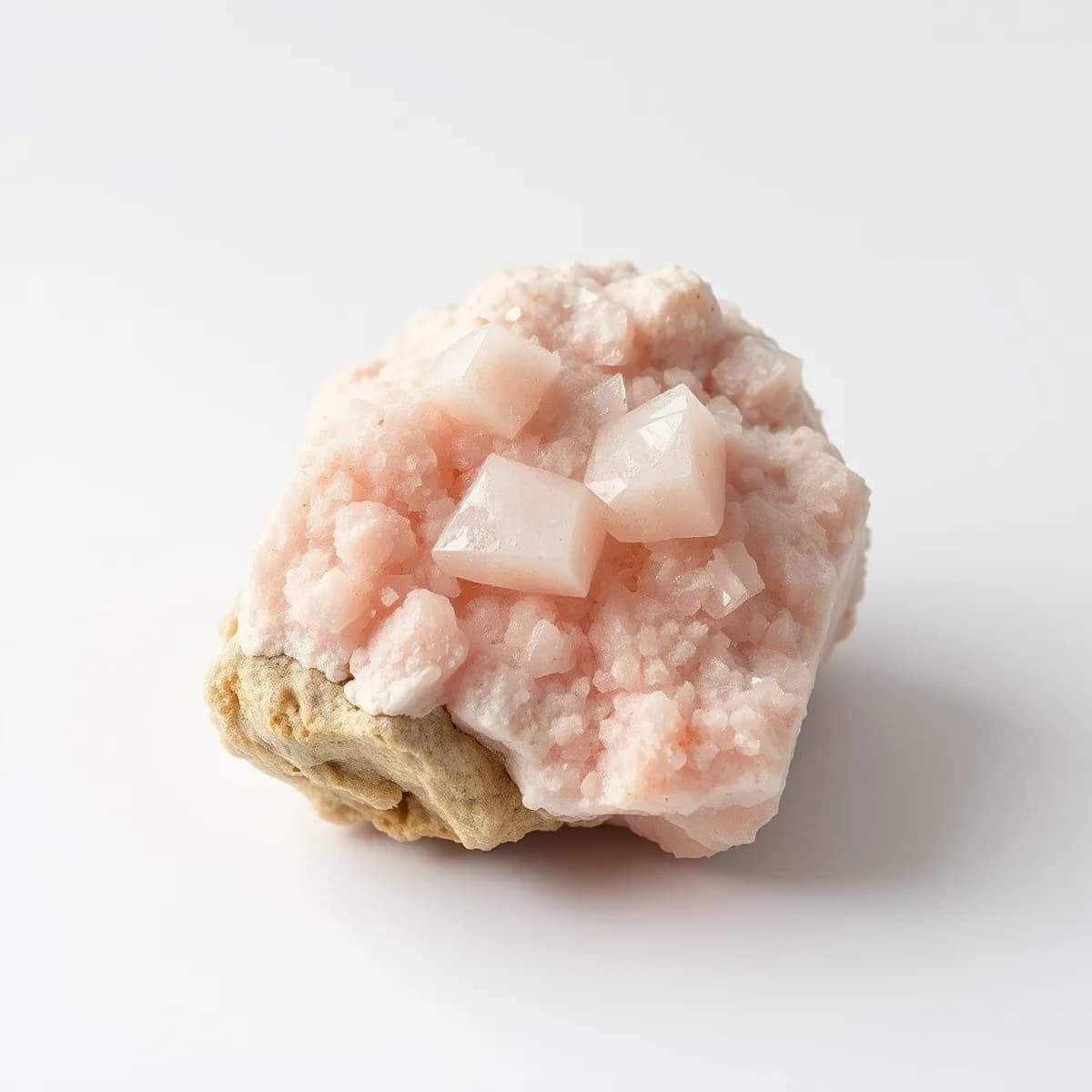
Rose Quartz, Honestly
Most of what gets written about rose quartz is a bit breathless. Here is a quieter guide, with the geology, the tradition, and a few honest notes on what crystal skincare can and cannot do.
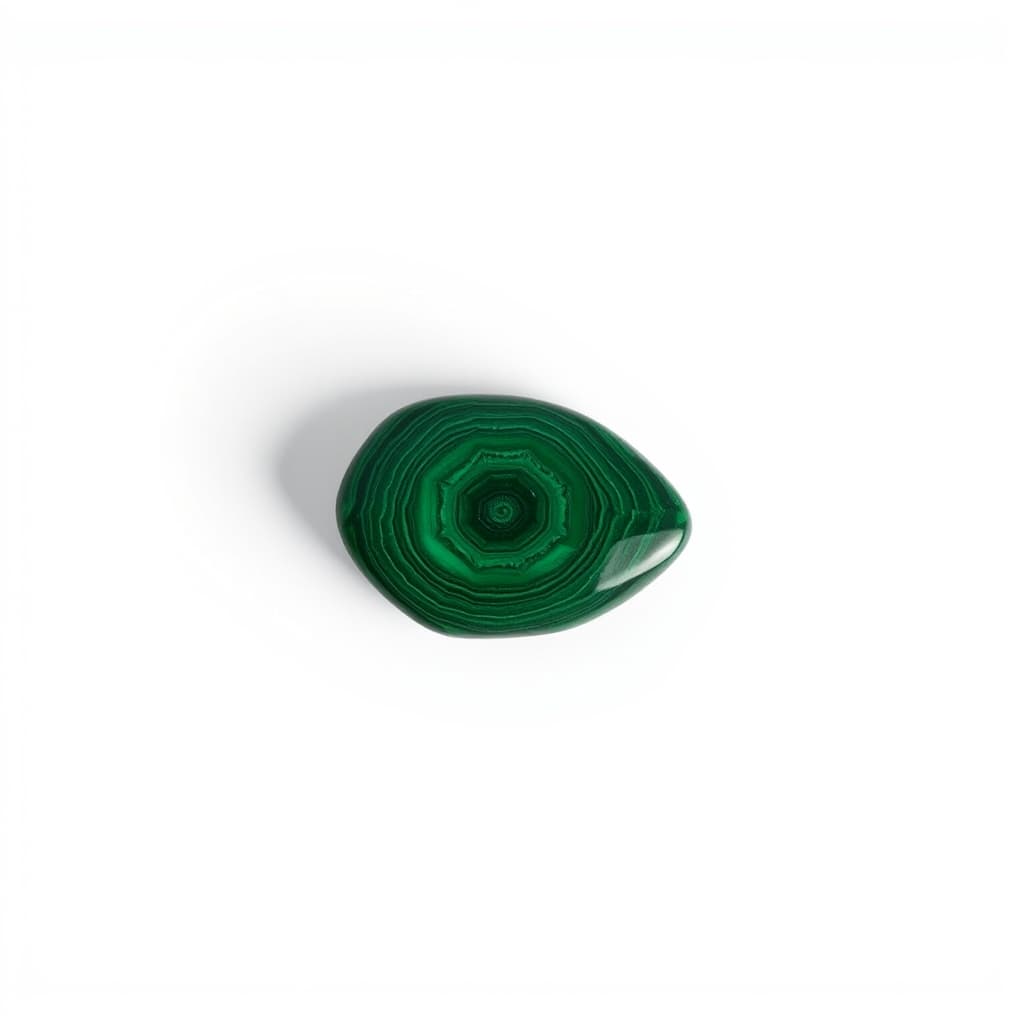
Malachite, the Green That Hides a Warning
Few stones are as striking as a polished malachite, and few crystals require as much honest handling. Where it comes from, why the dust is toxic, and how to live with one of the most beautiful and demanding stones in the mineral world.
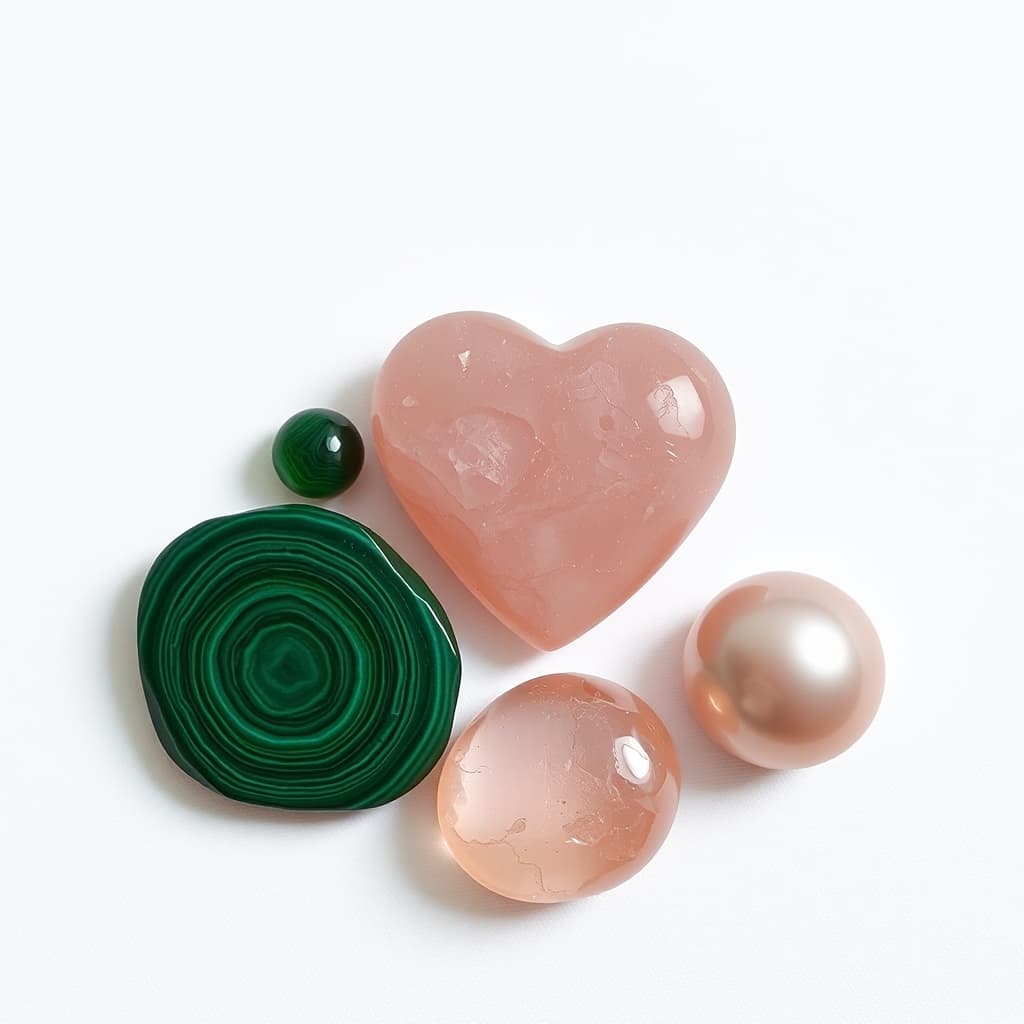
Crystals for Love and Relationships, Traditional Companions
The stones paired with love across Hellenistic, Vedic, and European folk sources, and what each one actually supports. Written for self-compassion and relational work, not romantic manifestation.
Sit with us on Sundays.
One quiet letter every week. New writing, a crystal to consider, and whatever we have been thinking about. No tracking pixels, no affiliate noise.
By subscribing you agree to receive weekly emails from AU Crystals. Unsubscribe anytime. See our privacy note.