
Garnet, the Stone of Quiet Endurance
A family of silicate minerals most often seen as deep red but ranging through orange, green, and rare colour-change varieties. The traditional January birthstone of endurance, the mineralogy behind the six major types, and how to choose well.
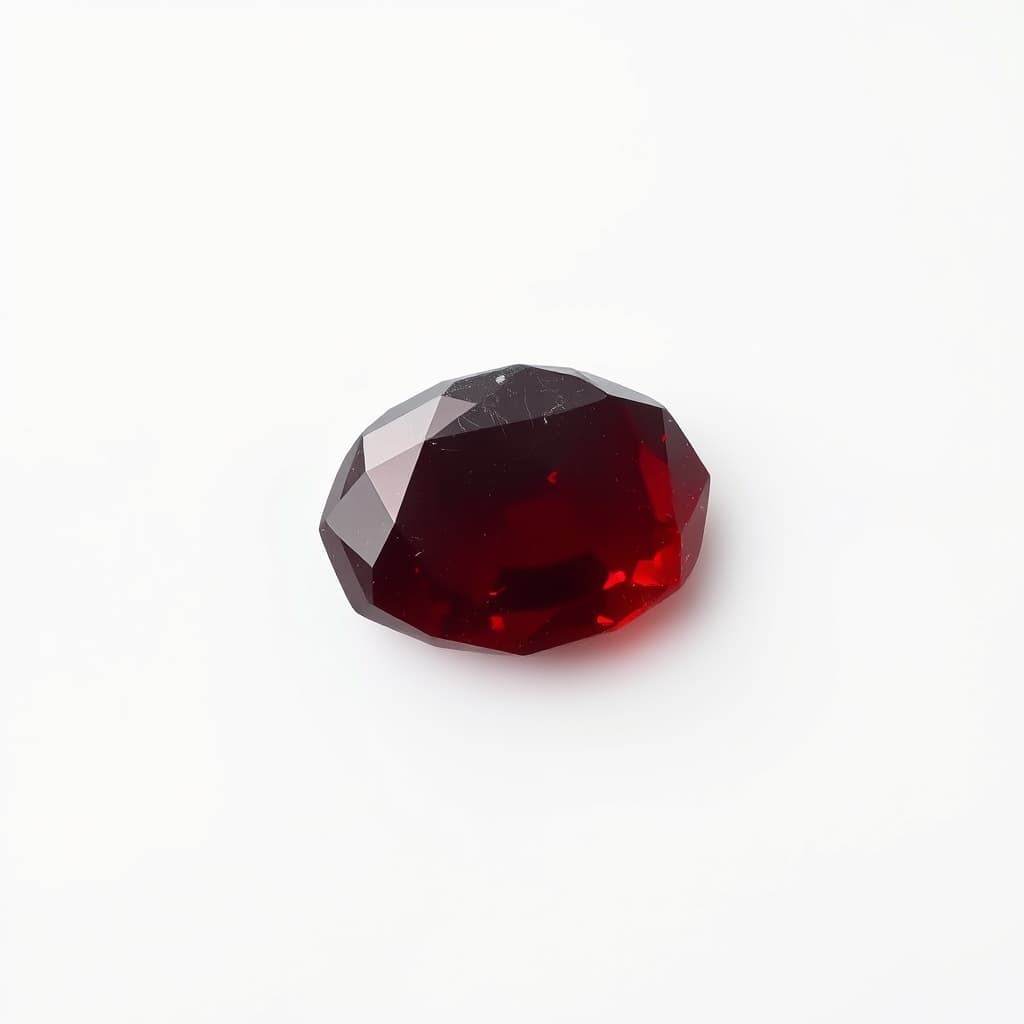
Quick facts11ShowHide
- ChakraRoot (Muladhara), Heart (Anahata)
- Mohs hardness6.5 to 7.5
- Mineral familyGarnet group (silicate)
- OriginIndia, Russia, Brazil, Madagascar, United States
- ColourDeep red most common, also orange, green, purple
- ElementEarth, Fire
- ZodiacCapricorn, Aquarius
- Sits well withLong-term endurance, commitment, winter practice
- Water safeYes
- Sun safeYes
- RarityCommon in almandine/pyrope, gem varieties rare
Garnet is the stone of quiet endurance, the January birthstone in the modern Western tradition and one of the oldest documented gemstones in continuous use. Where fiery stones like carnelian support initial energy and warmth, garnet supports the sustained effort required to keep going when initial enthusiasm has passed. This guide walks through the six-variety garnet family (most people only know one), the classical endurance tradition, and how to choose well in a market that often confuses garnet with ruby at the high end and with glass imitations at the low end.
What it actually is, six times over
Garnet is a family of silicate minerals sharing a crystal structure but differing in chemistry. The six major varieties have different chemical compositions and slightly different physical properties.
| Variety | Chemistry | Colour | Origin | Notes |
|---|---|---|---|---|
| Almandine | Iron aluminium silicate | Deep red to red-brown | India, Madagascar, Sri Lanka | Most common, classical red |
| Pyrope | Magnesium aluminium silicate | Blood red to purplish red | Czech Republic, South Africa | Famous Bohemian garnet |
| Spessartine | Manganese aluminium silicate | Orange to red-orange | Namibia, Mozambique, Madagascar | Mandarin orange variety prized |
| Grossular | Calcium aluminium silicate | Green (tsavorite), yellow, cinnamon | Kenya, Tanzania | Tsavorite is the prized green |
| Andradite | Calcium iron silicate | Green (demantoid), yellow, black | Russia, Namibia | Demantoid green has "horsetail" inclusions |
| Uvarovite | Calcium chromium silicate | Emerald green | Russia, Finland, Turkey | Usually small crystal clusters |
Five of these six are recognisable as traditional "garnet" even though three of them are green. The almandine and pyrope varieties are the classical red garnet that has carried the symbolic weight of the tradition.
Rhodolite is a common trade name for a garnet that is naturally intermediate between almandine and pyrope, producing a distinctive pink-purple colour particularly prized in jewellery.
The long tradition
Garnet has one of the longest documented continuous traditions of any crystal.
Egyptian and Mesopotamian use. Garnet beads have been found in Bronze Age burials in Egypt and the Near East dating to around 3000 BCE. The deep red colour was associated with blood, vitality, and protection across these early uses.
Roman and medieval European tradition. Pliny the Elder describes garnet (called carbunculus, meaning "live coal") in Natural History around 77 CE. Throughout medieval Europe, garnet was used as a traveller's amulet and a protective stone for soldiers, part of the same endurance tradition that included bloodstone.
Czech Bohemian tradition. From the 16th through 19th centuries, Bohemian garnet (pyrope variety) became so culturally important in Czech lands that it is still considered the Czech national stone. Entire industries developed around Bohemian garnet jewellery, and it remains a distinctive historical craft.
Modern birthstone tradition. Garnet became the official January birthstone in the American National Association of Jewelers list in 1912. The association predates this list; medieval European lapidaries had been pairing garnet with January and winter months for centuries.
The endurance meaning
Three consistent symbolic threads across traditions.
Survival through harsh conditions. Winter, cold, hardship. Garnet traditionally belonged to the stones that supported practitioners through the darker and harder months. Its January association reflects this; January in the Northern Hemisphere is when endurance is most needed.
Commitment and loyalty. Medieval European tradition paired garnet with sustained commitments, including marriage. Bohemian garnet jewellery was traditionally given as an engagement stone specifically for this endurance association.
Protection during travel. The portable nature of gemstones made them natural traveller's companions. Garnet was carried by Roman soldiers, medieval pilgrims, and long-distance traders. The stone was traditionally said to glow in darkness (read symbolically) and to guide the traveller through difficult passages.
The through-line is duration. Garnet is not a stone for initiation; it is a stone for continuation.
When garnet, not carnelian or bloodstone
Three specific situations where garnet is the better fit.
Long commitments already underway. For relationships, projects, or practices that need to continue past the easy early stage, garnet outperforms the initiation stones.
Winter months, January in particular. Seasonal pairing is genuine here. Garnet's birthstone tradition is not arbitrary; the stone genuinely fits winter practice.
Decisions about endurance versus changing course. When you are choosing between staying with something difficult or walking away, garnet supports clear thinking about the endurance question specifically. (It does not push you toward staying; it supports the considered decision either way.)
The chakra association
Garnet pairs with the root chakra (Muladhara) for the deep red almandine and pyrope varieties, through the grounding colour association. The orange spessartine variety fits the sacral chakra (Svadhisthana). Green grossular and andradite fit the heart chakra (Anahata).
For the most common red varieties, the root association is primary. The stone supports the foundational stability required for endurance work.
A useful reframe. If garnet is sold to you as a romance-attraction stone primarily, the tradition is being shortened. Garnet is for love that has already begun and must continue, not love that has not yet arrived. For the earlier stage, see rose quartz.
Living with a piece
Four approaches that fit this stone.
As jewellery during long commitments. A ring, pendant, or bracelet worn during extended projects or relationships. The traditional European use.
In a pocket during winter. The seasonal tradition. A small tumbled piece during the months when endurance is most needed.
On a workspace during sustained projects. A polished piece on a desk during multi-month or multi-year projects, serving as the visual reminder of sustained intent.
For January birthday work. If someone in your life was born in January, garnet is the traditional birthstone and carries specific significance for them.
Caring for garnet
Three notes.
It is durable. Hardness 6.5 to 7.5 means garnet handles daily wear easily. It is slightly softer than topaz but harder than most commonly-worn stones.
It is water-safe. Rinsing or full washing is fine. No special precautions.
It is sun-safe. Garnet does not fade in sun. Safe for outdoor display or sun-facing windows.
Buying with clear eyes
Four honest checks.
Distinguish from glass and synthetics. Glass imitations are common in low-priced garnet jewellery. Real garnet shows slight sparkle in the depths when tilted; glass is flat. Synthetic garnet (rare in the market) is chemically identical and behaves like natural.
Know what you are buying among the varieties. "Garnet" without further qualification usually means almandine. If paying premium prices, ask specifically which variety. Tsavorite and demantoid command much higher prices than almandine or pyrope.
Check for surface reaching inclusions. Garnet can have internal fractures. Avoid pieces with inclusions that reach the surface, as these can weaken the stone.
Beware "Bohemian garnet" at bargain prices. Real antique Bohemian garnet jewellery is historically significant and commands real prices. Cheap imports with "Bohemian garnet" labels are usually glass or ordinary almandine.
Pairings
Garnet combines well with three specific stones.
- Garnet and smoky quartz. The classical winter endurance pair. Both root-chakra stones, traditional for long dark months.
- Garnet and carnelian. Carnelian for initiation, garnet for continuation. Used together at the start of long projects.
- Garnet and black tourmaline. Both protective grounding stones, fitting for travellers or anyone in an unstable external circumstance.
A closing thought
Garnet is one of the most reliable companions for the phase of life where you have already begun something and now need to continue with it. Its tradition across three thousand years is remarkably consistent on this single point. For anyone facing a winter month, a long commitment, or a project that has passed its initial enthusiasm phase, a small garnet in the pocket or on the desk is a quiet reminder of the tradition that has recognised this need for as long as humans have worn stones.
For closely related endurance stones, see bloodstone and smoky quartz. For protective pairing, see our crystals for protection guide.
Want a piece from this guide?
Until our shop is live, we hand-arrange orders through Instagram. Tap to ask what is currently available.
Preview the message
Hi AU Crystals,

I was reading your Garnet, the Stone of Quiet Endurance page (aucrystals.com/blog/garnet-complete-guide).

I wanted to ask about the stones in this guide.
A starter message gets copied to your clipboard. Paste it into the DM on Instagram.
A few honest questions.
Is garnet only red?
No. Garnet is a family of six related silicate minerals, each with a different colour. Almandine (deep red), pyrope (blood red), rhodolite (pink-purple), spessartine (orange), andradite including demantoid (green), grossular including tsavorite (vivid green), and uvarovite (emerald green). Red is the most common but garnet appears across the spectrum.
Is garnet the January birthstone?
Yes, in the modern Western birthstone system, garnet is January. The tradition predates the modern list; garnet has been associated with January and the winter months in multiple older sources including Medieval European and Jewish lapidary tradition.
What is the difference between garnet and ruby?
Different minerals. Ruby is a variety of corundum (aluminium oxide, hardness 9). Garnet is a silicate family (hardness 6.5 to 7.5). Rubies have a deeper red with blue undertones; almandine garnet has a warmer red with brown undertones. Rubies command much higher prices.
What is a colour-change garnet?
A rare variety (most often pyrope-spessartine from Madagascar or East Africa) that appears greenish-blue in daylight and red or purple under incandescent light. The effect is caused by the mineral absorbing and transmitting different wavelengths under different light sources. Colour-change garnet commands high prices.
Is garnet safe for daily wear?
Yes. At 6.5 to 7.5 on the Mohs scale, garnet handles daily wear well, harder than most commonly-worn stones. Avoid hard impacts since garnet can chip, but ordinary life is fine.
Keep reading.
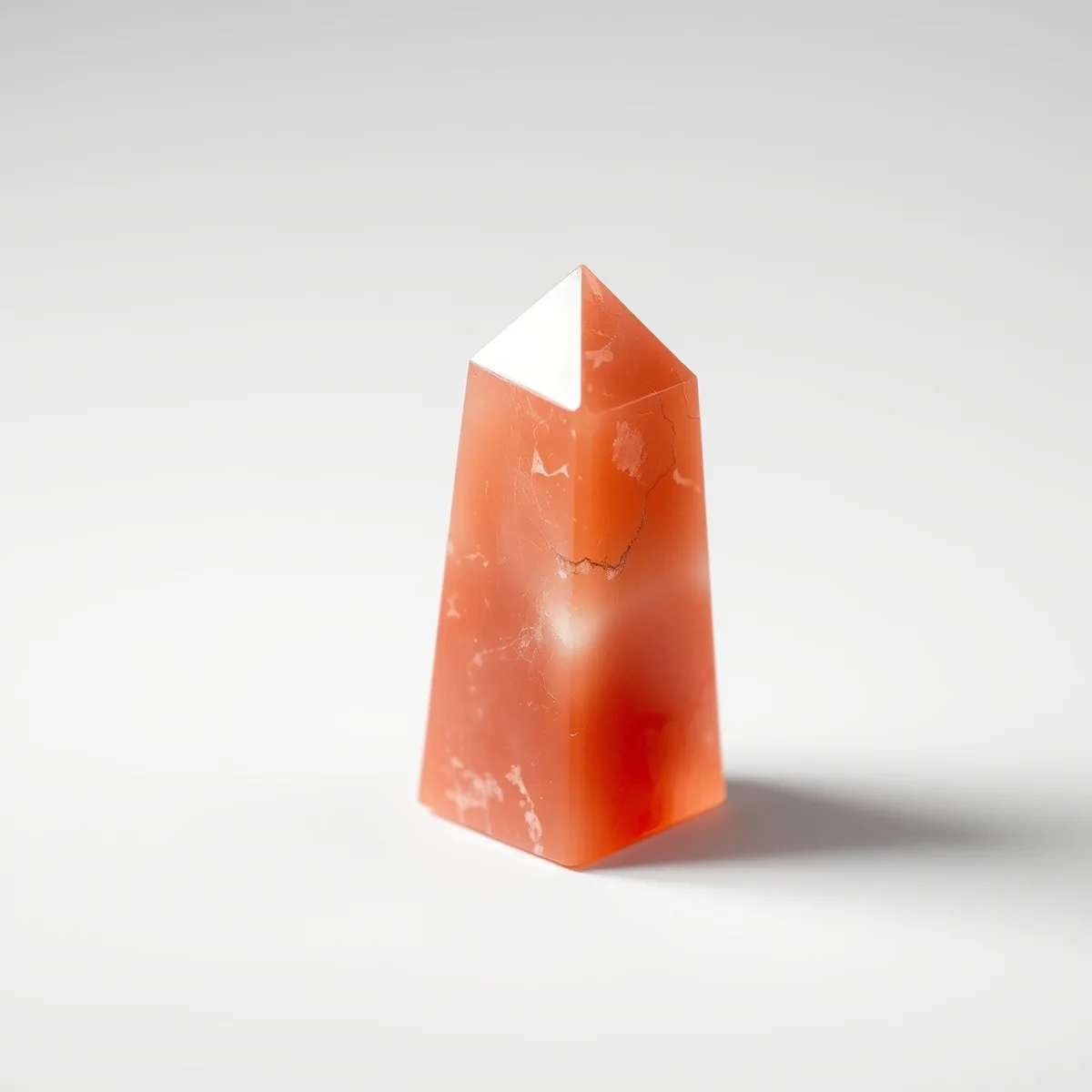
Carnelian, the Warm Stone That Gets You Moving
Red orange chalcedony that shows up on ancient jewelry, Roman signet rings, and Egyptian burial goods. Why the stone has been associated with courage for three thousand years, and what the heat treatment question means for modern buyers.
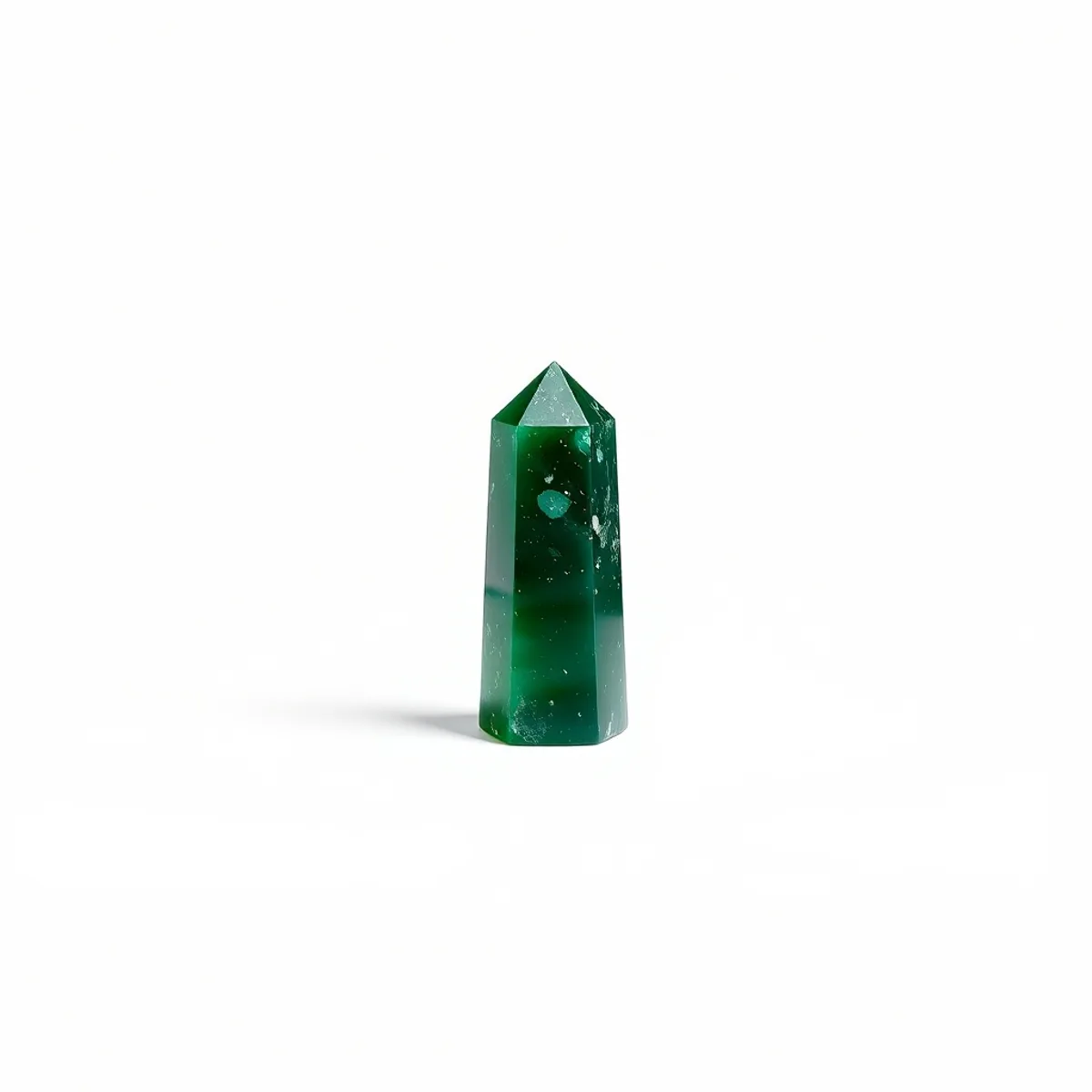
Bloodstone, the Soldier's Stone
A deep green chalcedony flecked with red, worn into Roman battlefields and medieval reliquaries. The mineralogy, the religious tradition, and why it keeps appearing in collections of stones people carry through hard seasons.
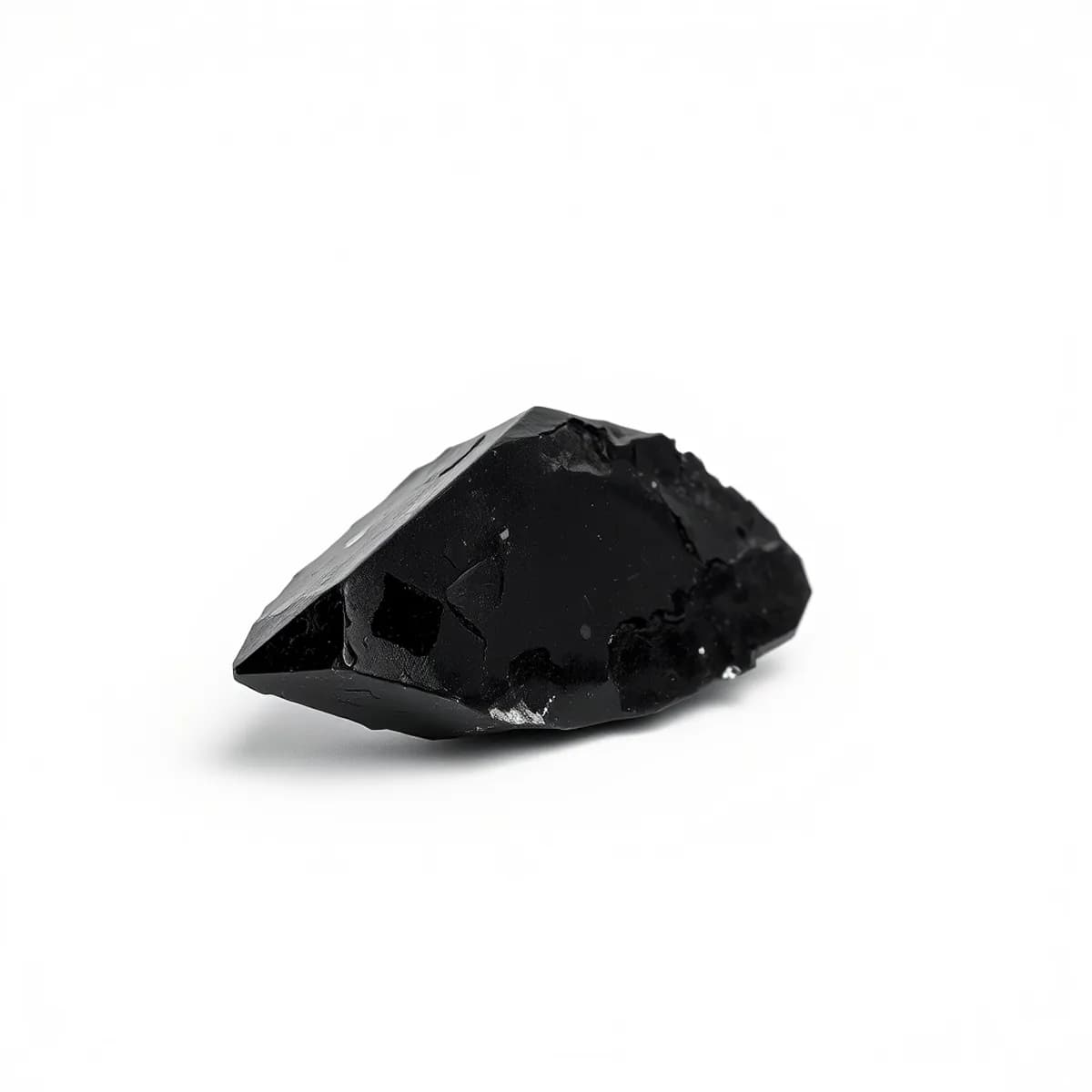
Black Tourmaline, the Stone People Ask For When Life Is Loud
The protective stone in almost every tradition that touches black stones. A look at what tourmaline actually is, why practitioners recommend it for overwhelm, and how to tell polished tourmaline from dyed obsidian.
Mentioned in
Sit with us on Sundays.
One quiet letter every week. New writing, a crystal to consider, and whatever we have been thinking about. No tracking pixels, no affiliate noise.
By subscribing you agree to receive weekly emails from AU Crystals. Unsubscribe anytime. See our privacy note.